
- TOP >
- FEATURE ARTICLES >
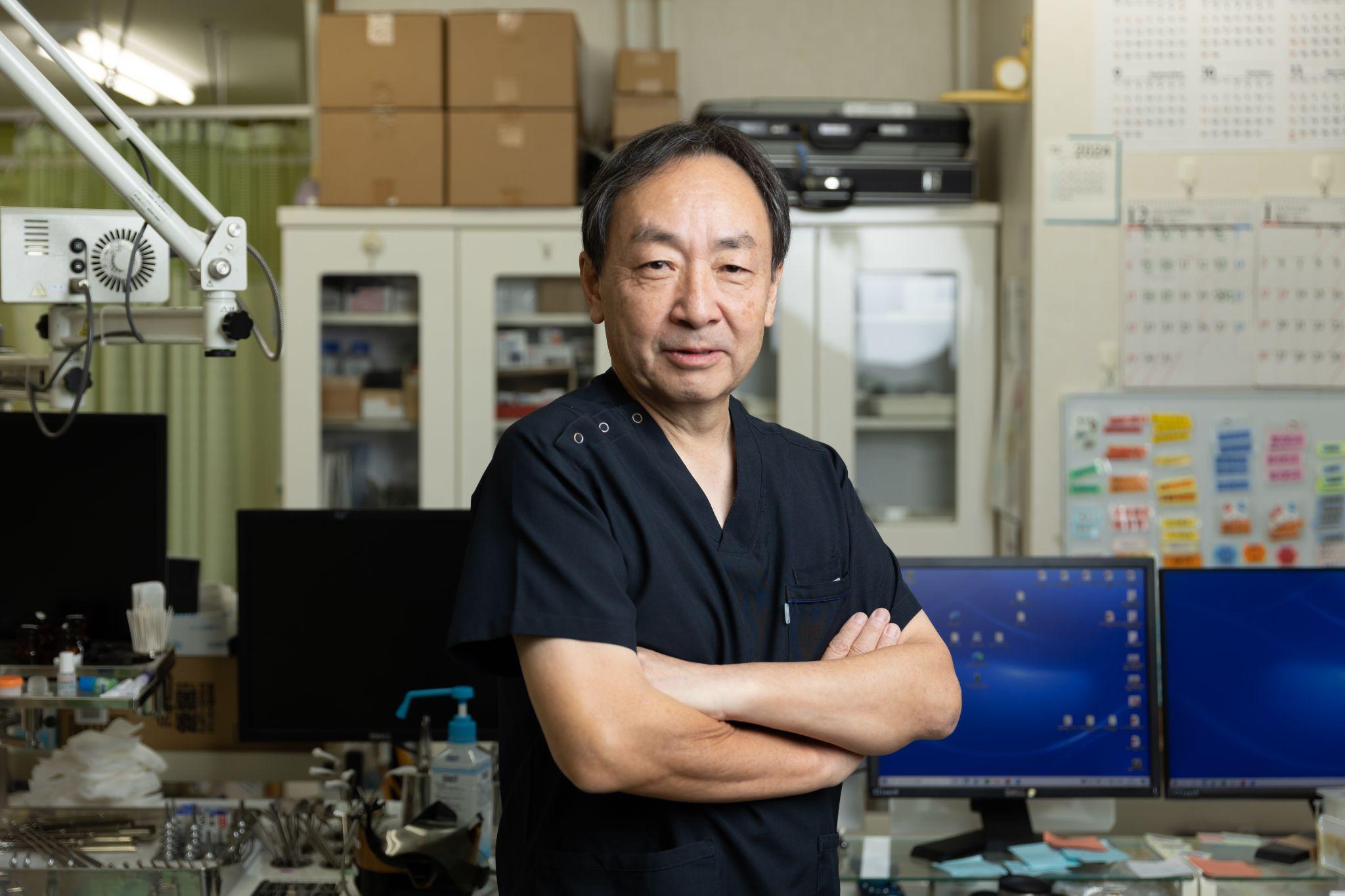
- Kentaro Sugino
Shu-Ha-Ri
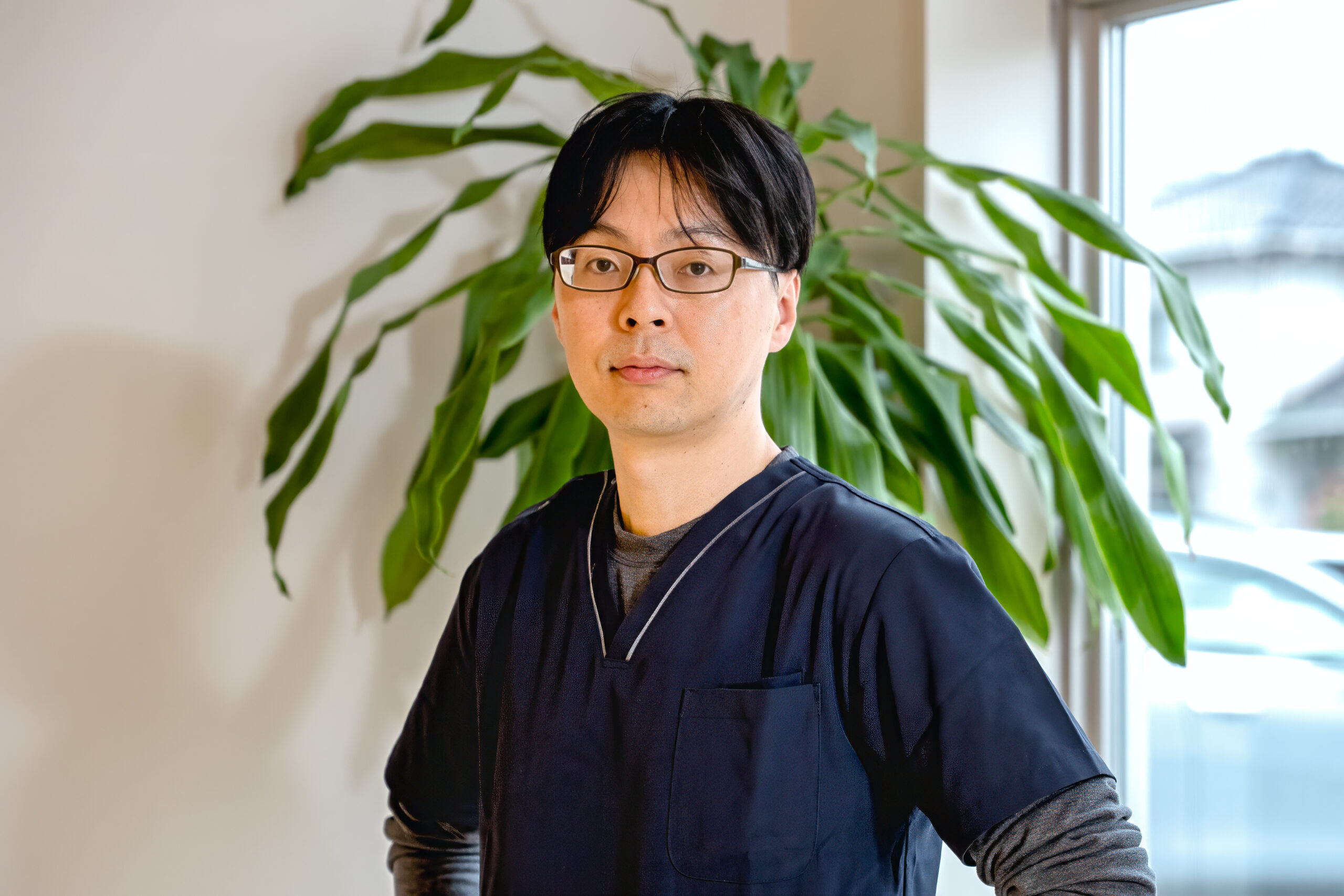
Kentaro Sugino
Director
Niigata Ladies’ Life Clinic
Website:https://niigata-llc.com/
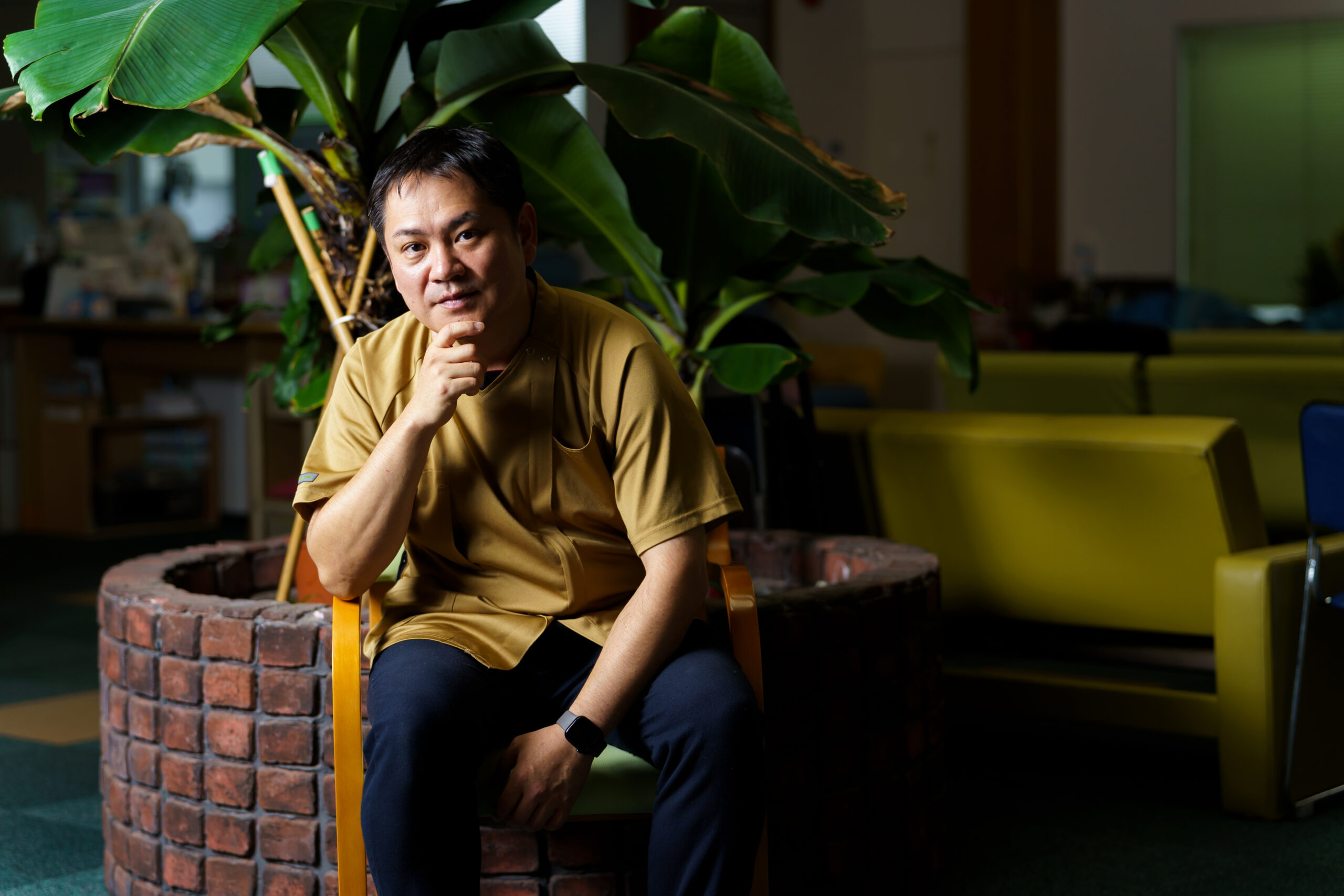
Obstetrician-gynecologist practicing world-leading preconception care that looks beyond safe pregnancy and delivery to a child’s growth and development after birth.
- TOP >
- FEATURE ARTICLES >
- Kentaro Sugino
Preconception care: getting ready before pregnancy
As an obstetrician and gynecologist, I’ve cared for many expectant mothers and their babies over the years. Managing a woman’s body and mind through pregnancy, and seeing her safely through delivery, matters. But the thing I feel most strongly about is getting the body in good shape before conception. That idea sits at the heart of preconception care.
The idea has slowly gained recognition in recent years. However, as I see it, awareness still falls short. Even at academic conferences, where specialists gather, it has only recently made the program, and usually in a narrow form: if you have a chronic condition, get it under control before you try for a baby. That’s sound advice. But I want to push further, to assess a woman’s nutrition in concrete terms and actively build her up before she conceives.
The body's stored iron, and why it matters for pregnancy and birth
Most people know iron is an important nutrient for women. At a routine checkup or a prenatal visit, the doctor usually reads your hemoglobin to judge whether you're anemic, and how badly.
Hemoglobin, though, measures the pigment in your blood, essentially how rich it is. It tells you nothing about the iron stored elsewhere in the body, in the liver, for instance. For that hidden supply, these iron stores, you need a different marker: ferritin.
Obstetricians and gynecologists have long prescribed an iron supplement once a pregnant woman's hemoglobin starts to fall. That's standard practice. But once you also measure ferritin, you find another truth: a great many women are already low on total-body iron in the first weeks of pregnancy. They take on the enormous task of carrying and delivering a baby when they’re already iron-deficient, or running short.
Iron, a nutrient the baby's healthy growth can't do without
A growing baby needs plenty of iron. A woman with high ferritin can draw on her reserves and spare the iron in her bloodstream. With little in storage, her body has to pull from the blood from early on. Anemia sets in, and it may get worse as the baby grows.
A shortage of iron reaches the baby too. Large studies suggest that, depending on how severe the anemia is, it can affect the development of the baby's brain and nervous system, and researchers have linked it to a higher risk of premature birth and postpartum depression. That's the case for acting early: build up iron before pregnancy, stave off anemia, and raise your reserves, rather than scramble to fix things once you're expecting.
Balance across the major nutrients
Iron is important for pregnant women, but it isn't the only nutrient that matters. Folic acid is another, now widely taken because it lowers the risk of birth defects. It's a B vitamin, B9, and it also helps the body absorb iron, so the two pair well. The B vitamins have another job: they help the body process carbohydrates, fats, and protein. Blood sugar tends to jump up and down during pregnancy, a pattern known as a glucose spike, and keeping those swings in check with B vitamins eases the strain on mother and baby alike.
I recommend a particular balance. Eat plenty of protein, which a baby needs to grow. Get your fats from good oils, since fat is a baby's main source of energy. Go light on carbohydrates like white rice. Handled this way, blood sugar stays steadier, and the risk of excess weight gain, gestational diabetes, and gestational hypertension all come down.
Care that fits a real life and budget
None of this is new. I've taken established findings from nutritional therapy and incorporated them into how I manage pregnancy, birth, and the perinatal period. Plenty of doctors practice nutritional therapy; few apply it to perinatal care. I'll say with some confidence that what I offer sits at the leading edge, in Japan and internationally. My aim now is to keep combining the best of existing treatments into a single method, one that looks all the way from conception through the years of raising a child.
Realizing the whole ideal costs money, of course. Practicing in a regional city, I have to keep the price at a level any patient can afford. So even when a supplement would fill a gap, I'll sometimes choose a prescription drug instead, with cost in mind. Iron supplements occasionally have adverse effects on the gut, so how they're used deserves some thought. Treating every choice as all-or-nothing gets you nowhere. Every patient arrives with a different body and a different life, and I'd rather work out a realistic middle ground with each one.
Preconception care that men can take part in too
Preconception care isn't for women only. Pregnancy happens in a woman's body, but the preparation belongs to the couple. Many of my patients come in with their partners. I lend out books on eating better, and I make the same point in person: a couple should work together on their nutrition as they try to conceive.
In the usual approach to fertility treatment, the man gives a single semen sample, and if it comes back clean, his part is finished. The woman then tends to shoulder the rest alone. Preconception care lets the man stay involved. When a couple shares what they're learning about pregnancy and birth, both begin to see it differently, and thinking and acting together can draw them closer.
Consider the egg cell. It's dense with mitochondria, which leaves it exposed to oxidative stress from reactive oxygen species like free radicals. The choices a couple makes every day, in habits and in food, can support the body against that stress. Working on it together improves the odds of conceiving. And the attention to nutrition a couple builds now carries into the years of raising a child, where it should help with the child's health and emotional steadiness, an easier road for the child and less stress for the parents.
Medicine now, for the pregnancy and birth still ahead
Think about Japan today and Japan tomorrow, and few things matter more than building a world where children can grow up healthy. The payoff doesn't stop with those children; it spreads to the whole of society. When more children grow up strong and well, they become the people who hold society up, and they bring down the country's medical bills over time. Preconception care, then, protecting the mother's condition before pregnancy even begins, does more than protect her health and her baby's growth. It lays part of the foundation for the society to come.
Preconception care isn't a special service reserved for women about to conceive. It protects a woman's health, a couple's relationship, pregnancy and birth, a baby's growth, and a child's future. It's a big subject. So I'd like more people to move past the old model of seeing a doctor only when a pregnancy is imminent, and toward readying the body for a pregnancy still years ahead, and using medicine to get there.
Even among us doctors, preconception care hasn't caught on the way it should. So I need to pull together the data we've gathered at the clinic and share it with other specialists. With that in hand, reaching the public gets easier, whether through the medical community or through local governments. My plan is to keep at this work, with an eye on a society where preparing the body before pregnancy is the norm.