- TOP >
- FEATURE ARTICLES >
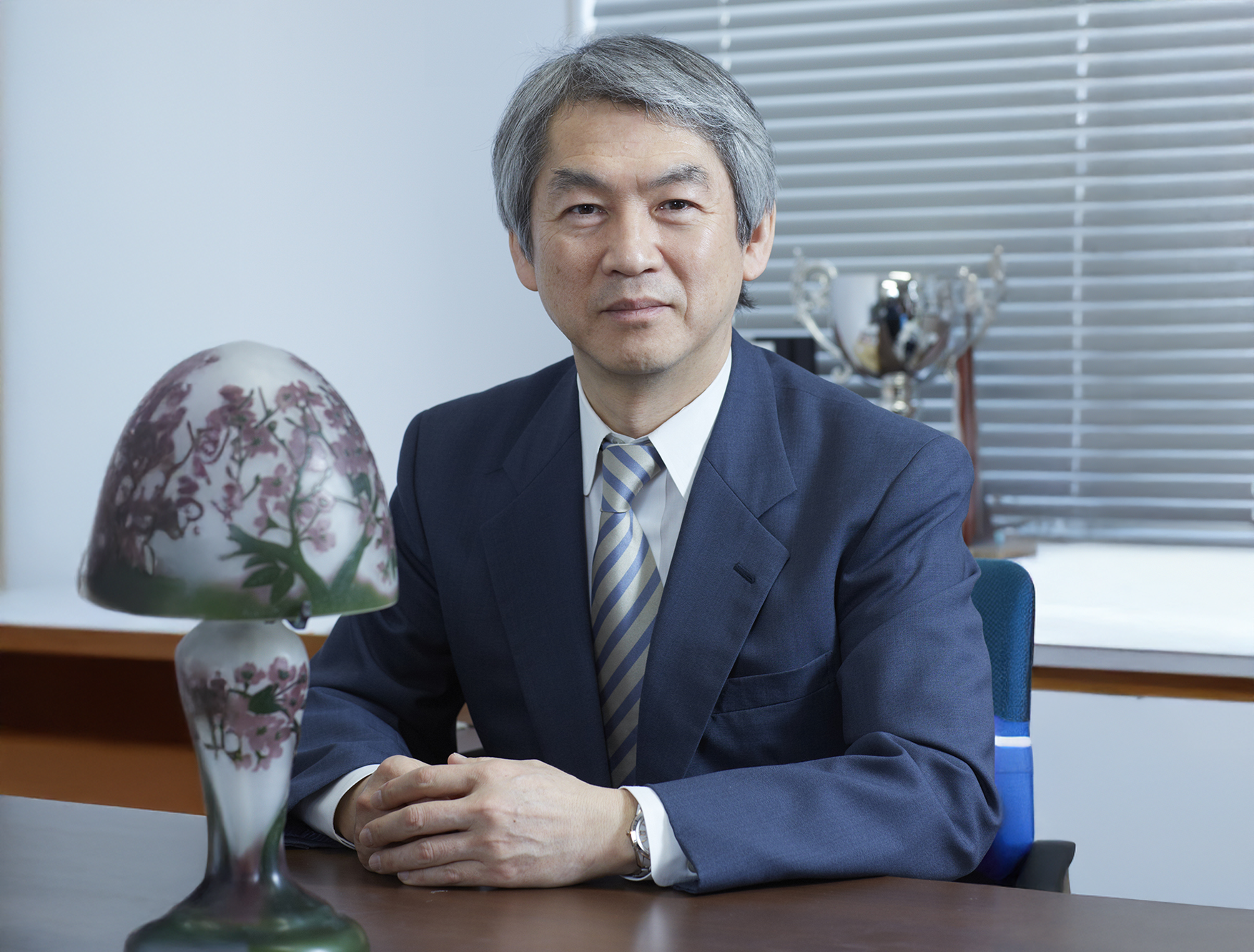
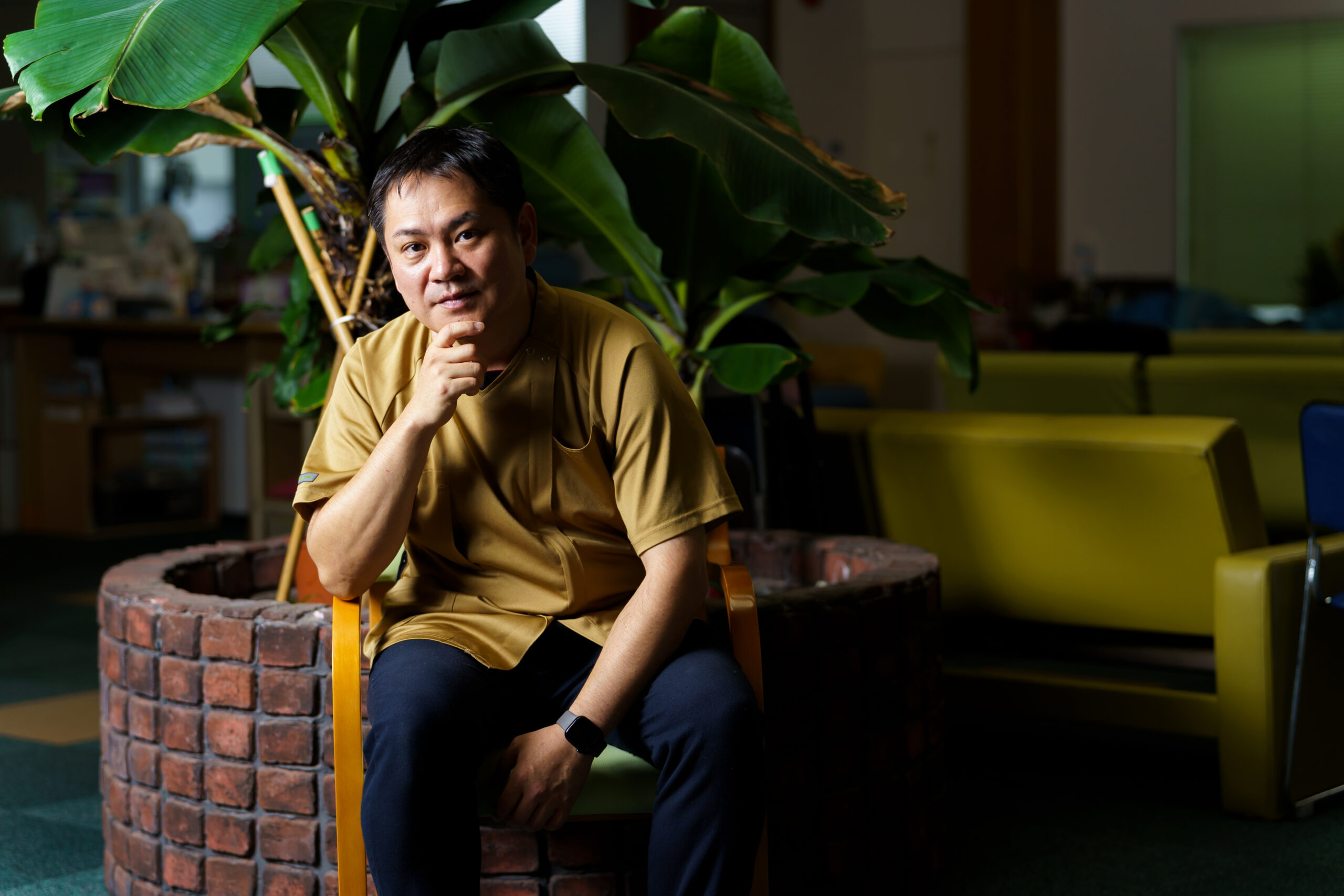
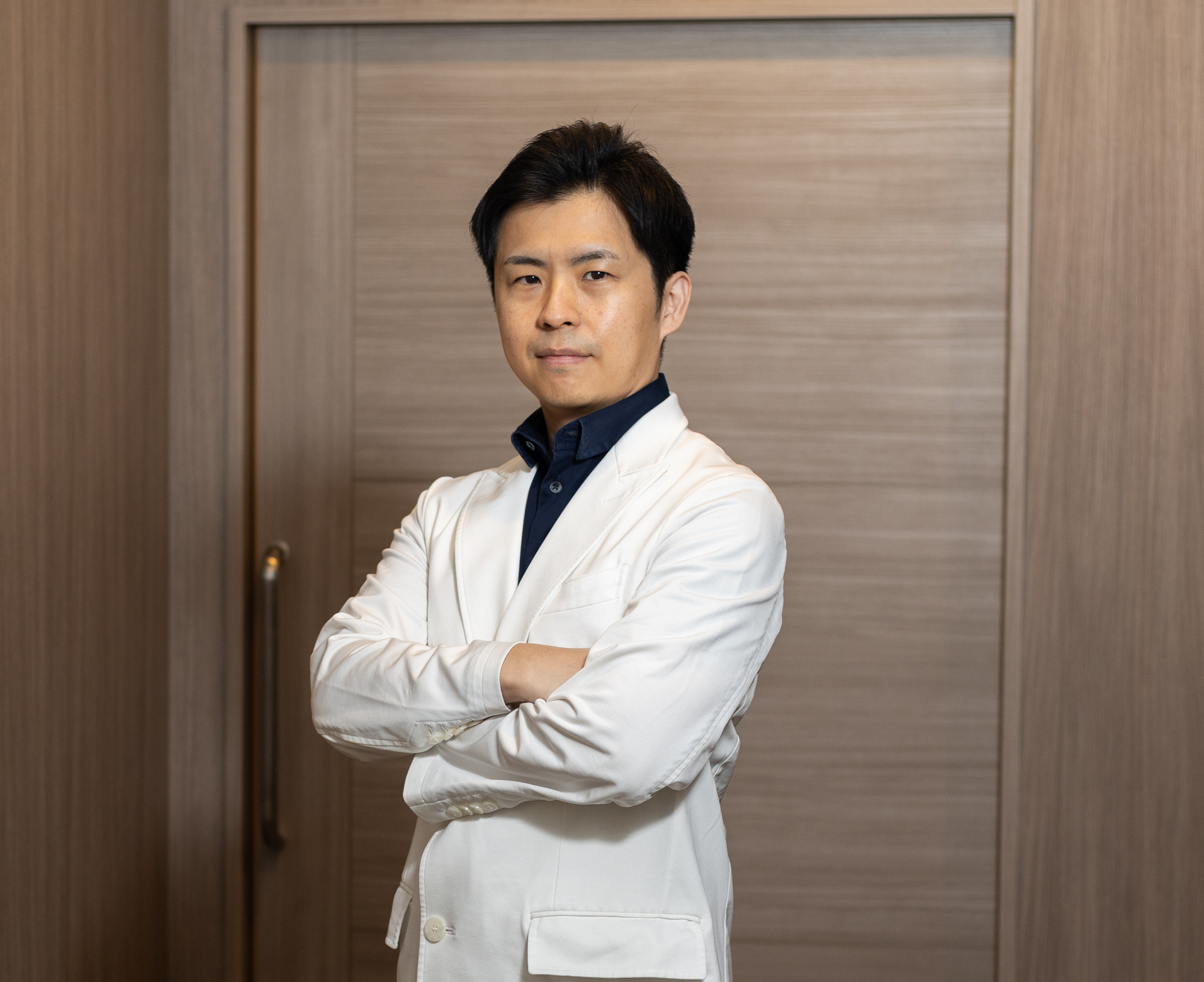
- Takayuki Miyagawa
”Mui Shizen”
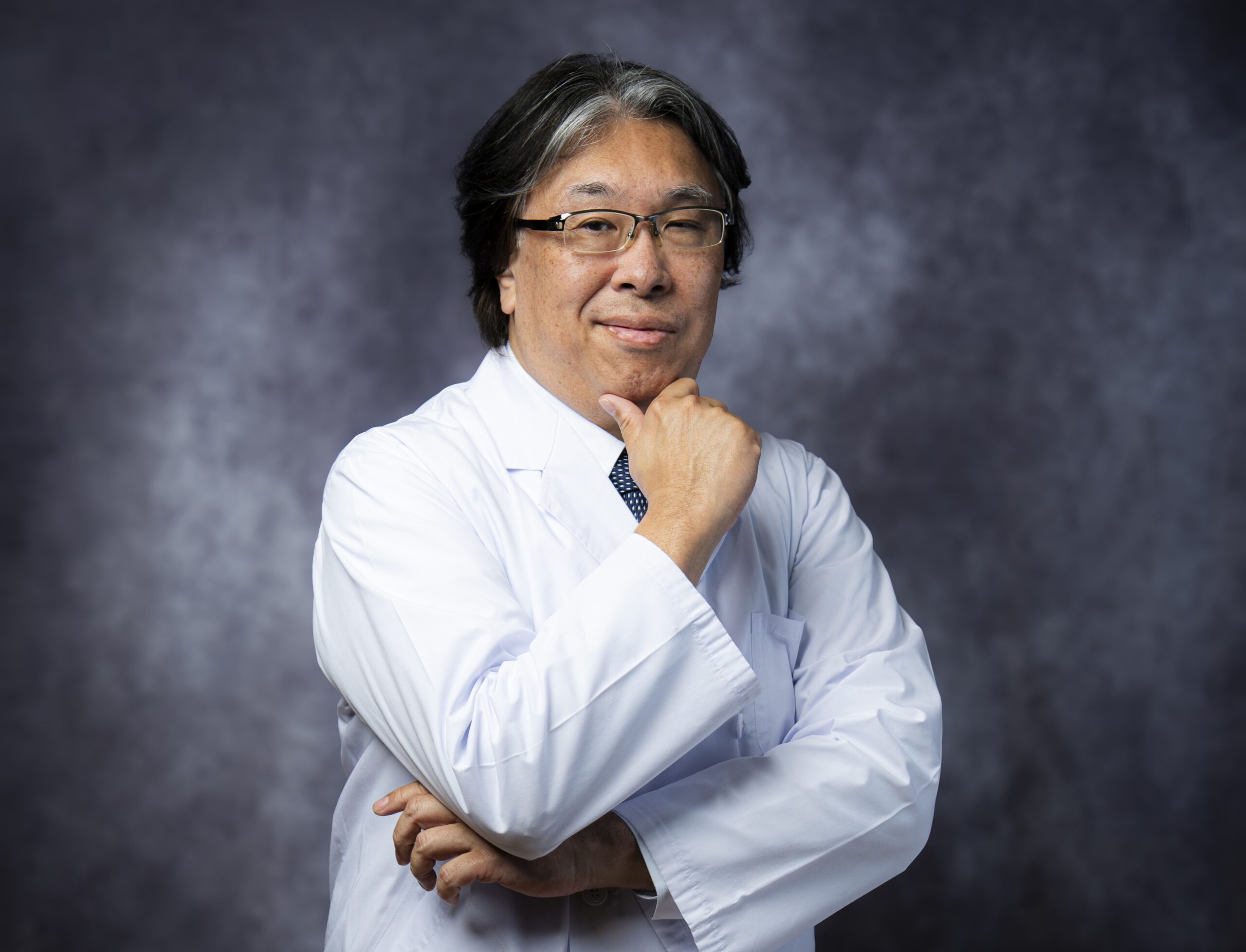
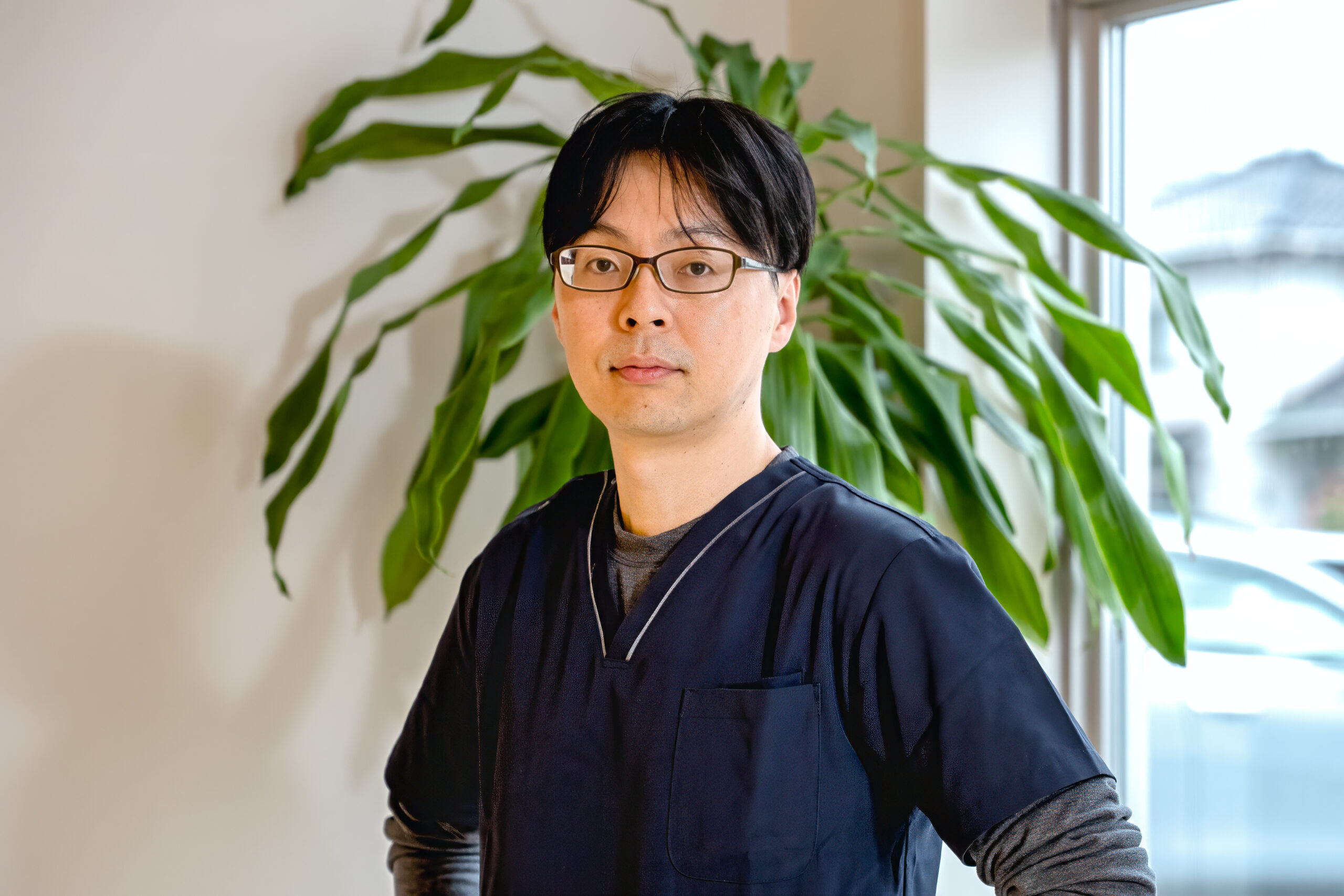
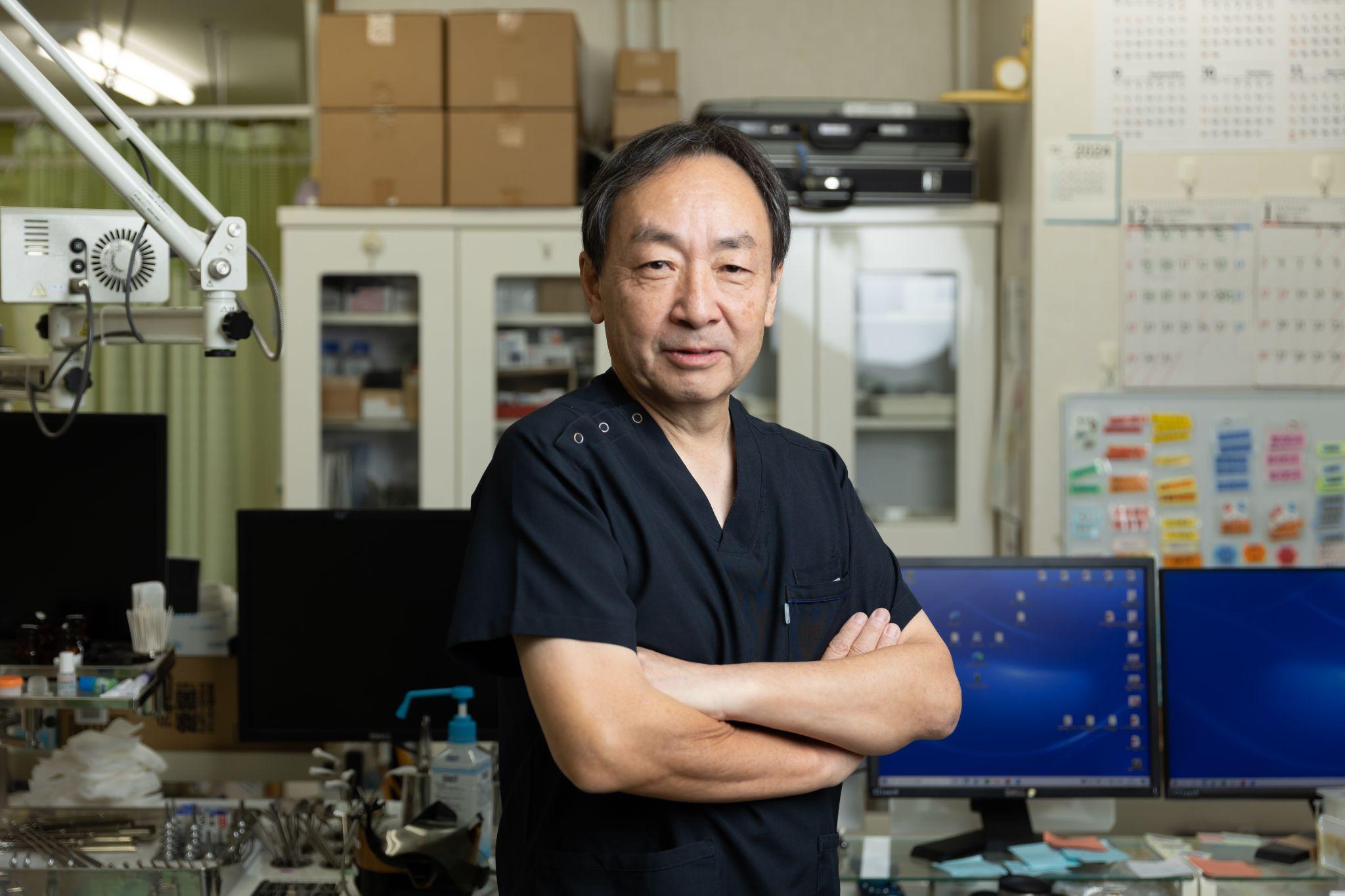
Takayuki Miyagawa
Director
Miyagawa Home Care Clinic, Yuzuriha-kai Medical Corporation
Website:https://www.miyagawa-hc.com/
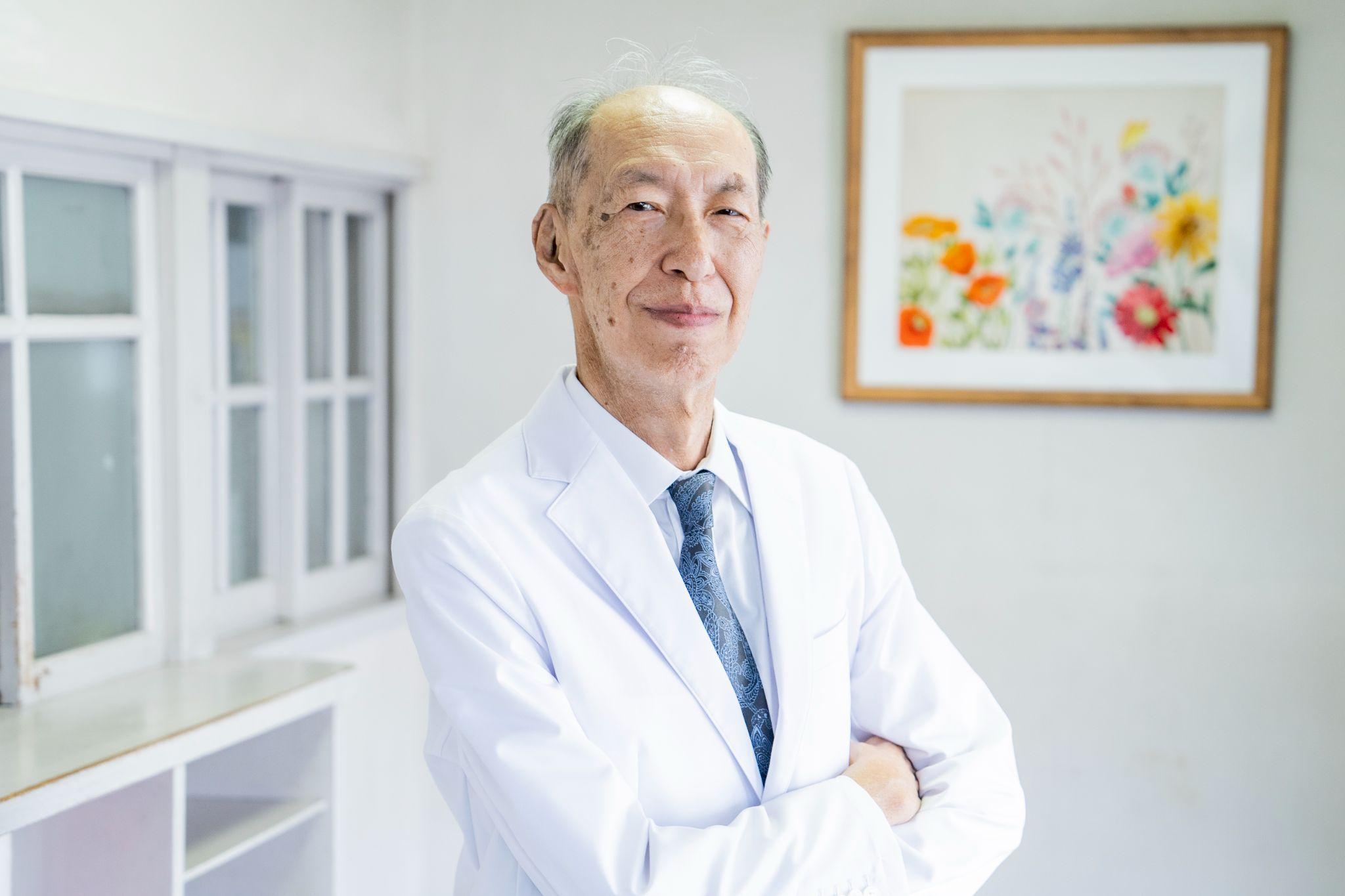
Home care physician overseeing 4,500 house-call visits and 80 end-of-life care cases annually. Pursuing sustainable home medical care for Japan’s super-aged society.
- TOP >
- FEATURE ARTICLES >
- Takayuki Miyagawa
A report from the home-care field of the future
Seen from the outside, Japanese medicine works well. There is universal health coverage, life expectancy is long, and access to care is wide. Hospitals hold a high technical standard, primary care doctors carry home medical care, and the fee schedule is subdivided to an astonishing degree. People often praise this arrangement as a “model for the future,” a “system to be proud of before the world.”
I am one home-care physician working inside that “future.”
Just as a photograph shifts in character with the angle of the light, the medical field changes shape with the position from which one speaks of it. There is the hopeful light of “the highest standard in the world,” and there is the despairing shadow of “the collapse of an aged society.”
The words “home-visit care” already wear, half unwillingly, an image of gentle sincerity: being present, dignity, interprofessional collaboration. All of it is orderly, yet each phrase carries a strain of sentimental humanism. The place where I work is not a clean and quiet space. It is a living room where the television blares loud enough to split the ears, thick with the rank smell of daily life and the fog of crowded bodies. This is not a policy proposal. It is a report from a bleak future.
Japan’s system of elderly medicine and long-term care was judged exemplary abroad. But in truth, as a system it held no blue sky beyond the clouds. The reality was a structure of “total shared pain,” the whole citizenry dividing the burden among itself. The more one adapted to the system, the further medicine drew from the particular, tilting toward a design that chased efficiency and the balance sheet. The field appeared to move on goodwill, but within it a design of economic reason advanced in silence. Whenever the system stumbled, it was summed up with that last trump card of a phrase, “the best measure available at the time,” and the failure was washed away into forgetting.
Before anyone noticed, medicine had become an explainable, safe, well-ordered world.
Manuals multiplied, guidelines accumulated, and things once beyond measure came to be judged by metrics. Even seeing a patient through death had to follow a set procedure to be billed to insurance. Society acquired the power to trace almost the entire medical history of a human being. Insurance records, medication histories, checkup data, the log of every visit. Yet no ledger of any kind could guarantee who stood beside a person in the final moment.
Research into rejuvenation and aging advanced, and lifespans stretched further still. Yet the universal truth for all human beings remained the single point that we must die. That premise was unshakeable. The notion of defying the order of the universe is, in the end, like a water flea setting out to conquer a lake. Death is neither sublime nor mysterious. If you cannot eat, you die. This is a natural phenomenon, and the correct way to die. Death is the memory and afterimage of other dead, gathered across the course of a life. And the dead say nothing. In that very silence lies a merciful, efficient deliverance.
The old moved from the home to the facility. This was counted as progress in welfare. The family’s burden eased, and professionals took on the care. At the same time, death was severed from the home. But the shape of the population moved on past the design of the system. The side that supports thinned, and the side that receives kept swelling. Facilities were built and built, while the hands to staff them fell away without fail. The ideals held, but the reserves ran dry.
In time, facilities polarized into two extremes. The costly rest homes, like high-end retreats with resources to spare, and the holding facilities run on the barest management with minimal oversight. The middle ground vanished; in this world, the middle class is always the first to wear away. As a result, living arrangements reorganized, reviving models like the traditional extended family and modern-day variations on shared communal living. This was not a nostalgic return to the past, but the logical outcome of pragmatic calculation.
In the field of home medical care, several paradoxes were observed again and again.
First, wealth and circumstance did not, in themselves, decide a person’s happiness. Even in harsh conditions, many lived healthily and calmly, helping one another within a shared life. On the other hand, those set in favored conditions were not always in a state of contentment, nor were they spared suffering and illness. While disease was often attributed to poverty or ignorance, neither wealth nor circumstance defined the essence of a human being.
And another paradox showed itself. The fact that reducing or even stopping medication brought health back, not some new technology. Medicine rewarded a system of “doing something,” yet the body’s condition improved through “ceasing.”
This is what is called mui shizen, non-doing in accord with nature. Mui shizen does not mean “doing nothing.” It means avoiding excessive human intervention and effort, and placing weight on following the flow of nature.This is by no means idleness or irresponsibility; it is, rather, a stance that carries deep wisdom and understanding. The economics of medicine rewarded addition, while the living body responded to subtraction.
A medical system grown too structured suited the institution but did not suit the human being. The light of civilization is necessary, yet a light too strong obliterates even the shadows. We must belong to a people who refuse to be held captive by the dictates of the times. This is neither a conservative attachment to order nor a lazy indifference, but a matter of sound discernment, of knowing one’s own measure.
Not everything ended in decline. History, after all, repeated itself. Collapse and renewal lay always along the same orbit.
Japan, an aged great power forced into a faster metabolic turnover than any other nation, was, in a sense, a paradox: an advanced undeveloped country. When the old was swept away and lost, there was also an occasion for renewal. Institutions and organizations alike, like the yuzuriha tree, whose old leaves quietly give way to the new growth beneath them, withdrew in silence as each finished its role. We who provided home-visit care, and those who provided long-term nursing care, were no exception.
Hope was not something to place in others, not in systems, organizations, or the state. Hope was something to be found in oneself. Each individual lives faithfully to themselves and, when the time comes, quietly departs this world. There is no reason to resist it. Because renewal does not begin with the remaking of systems, but with the remaking of persons.
This concludes my report, from the final point in my own life, where the light still, barely, reaches.