- TOP >
- FEATURE ARTICLES >
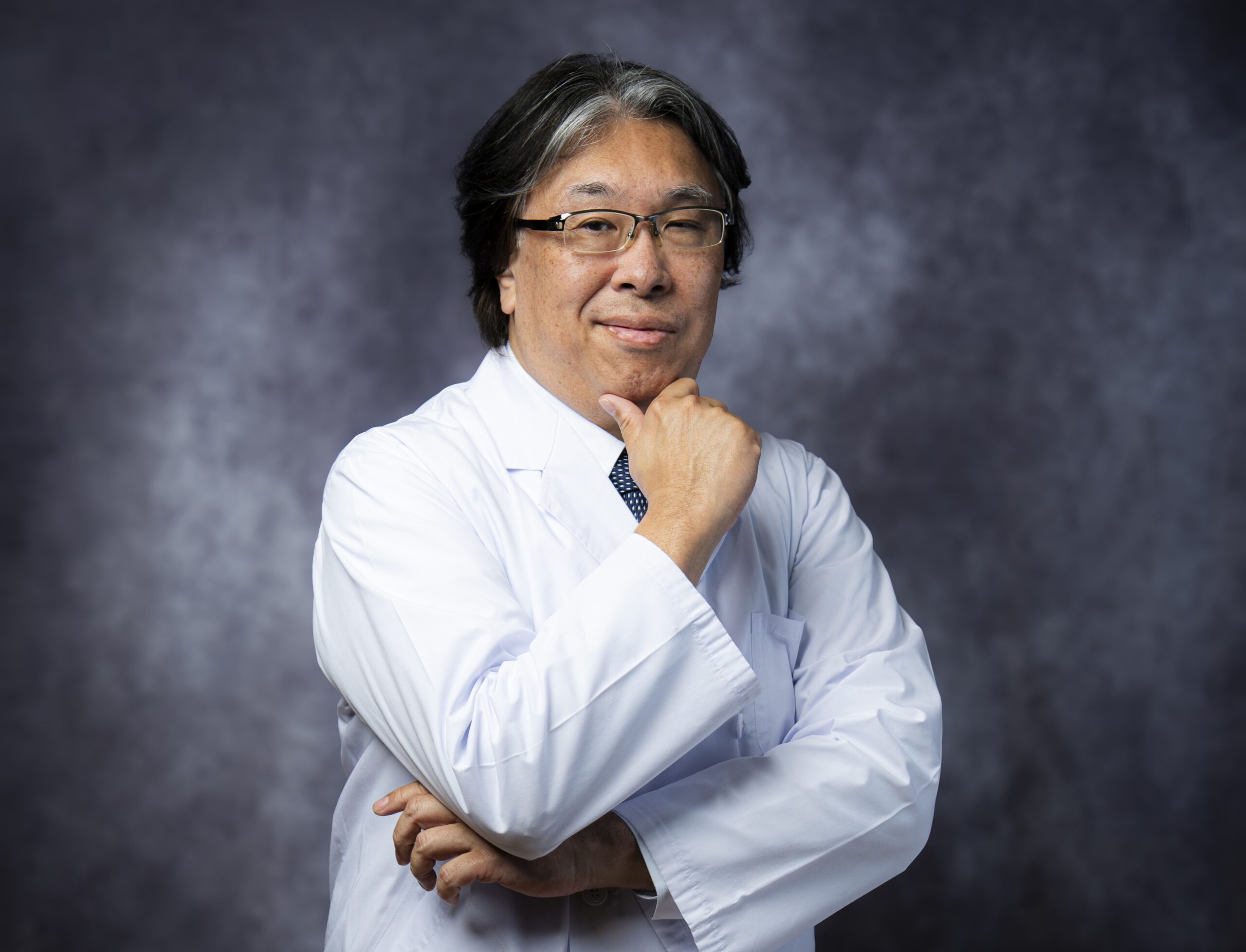
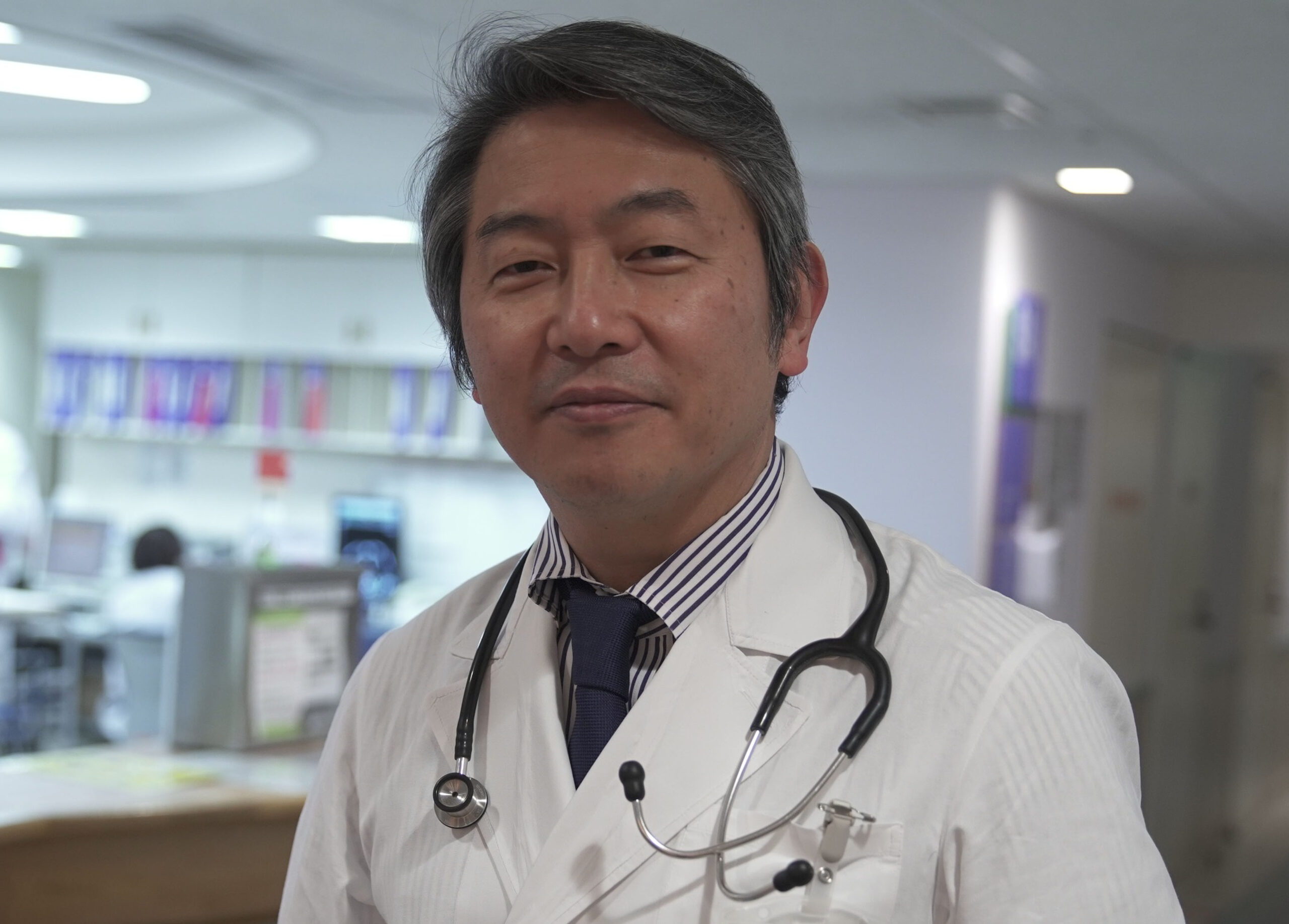
- Kenji Suzuki
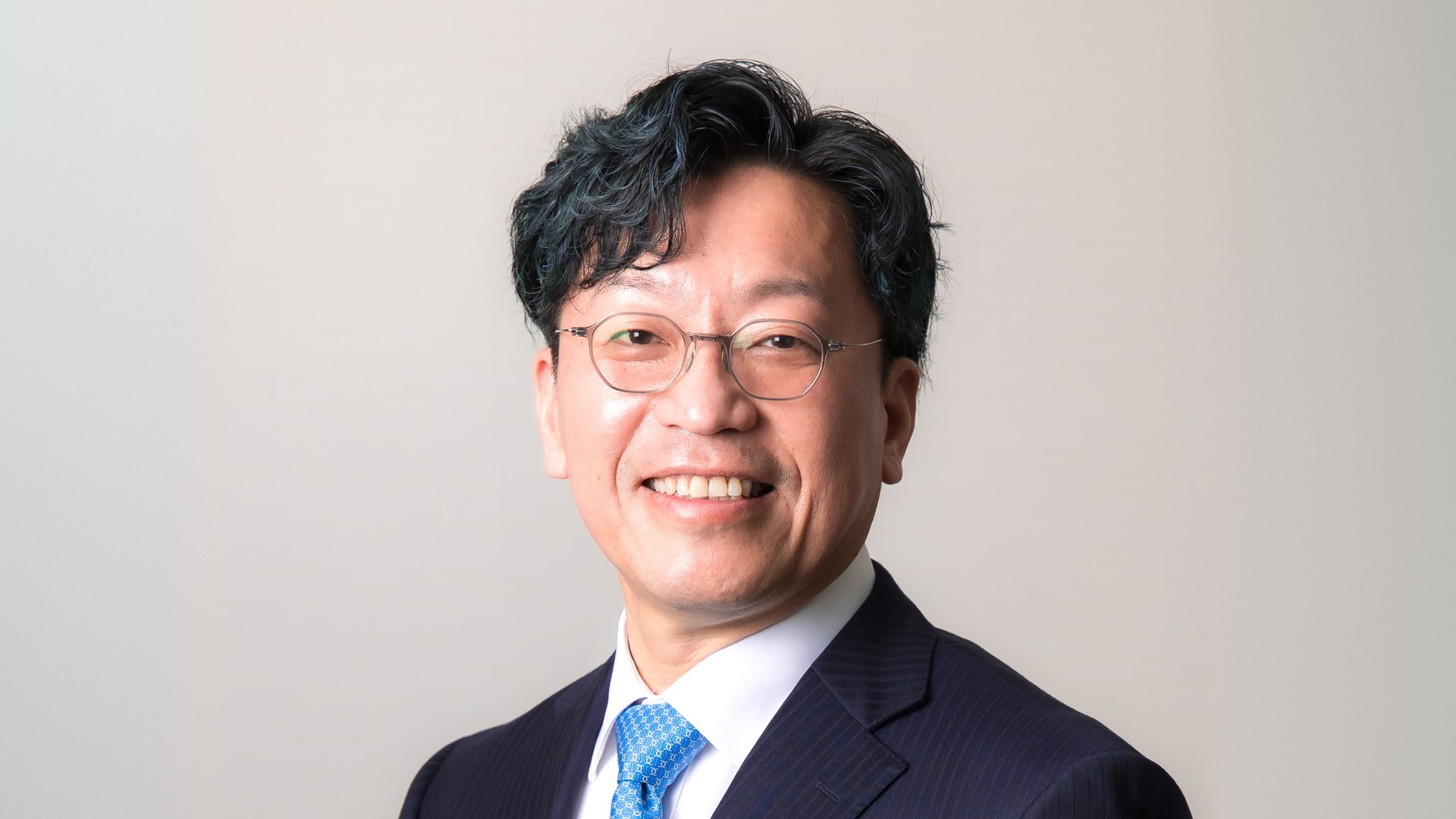
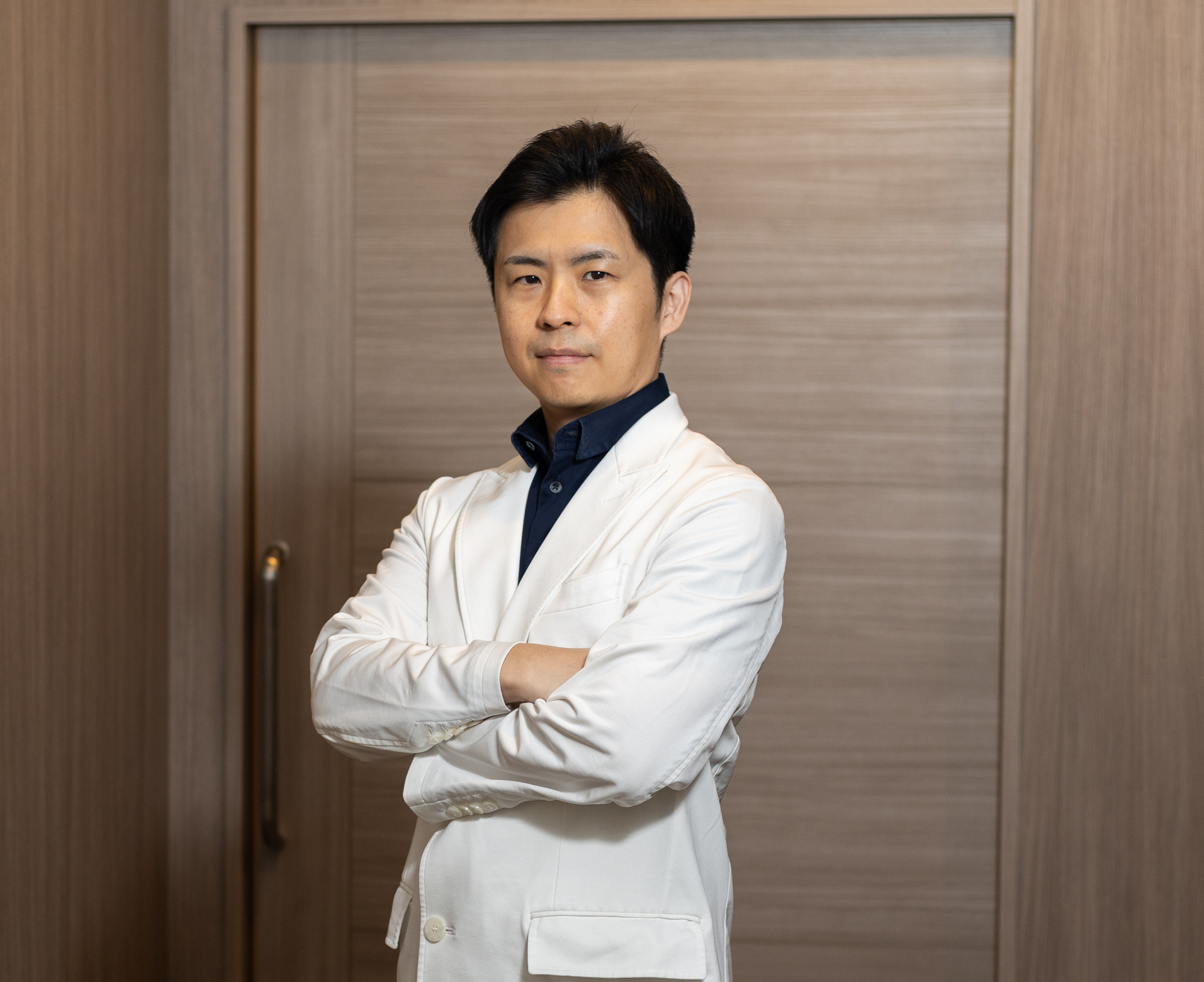
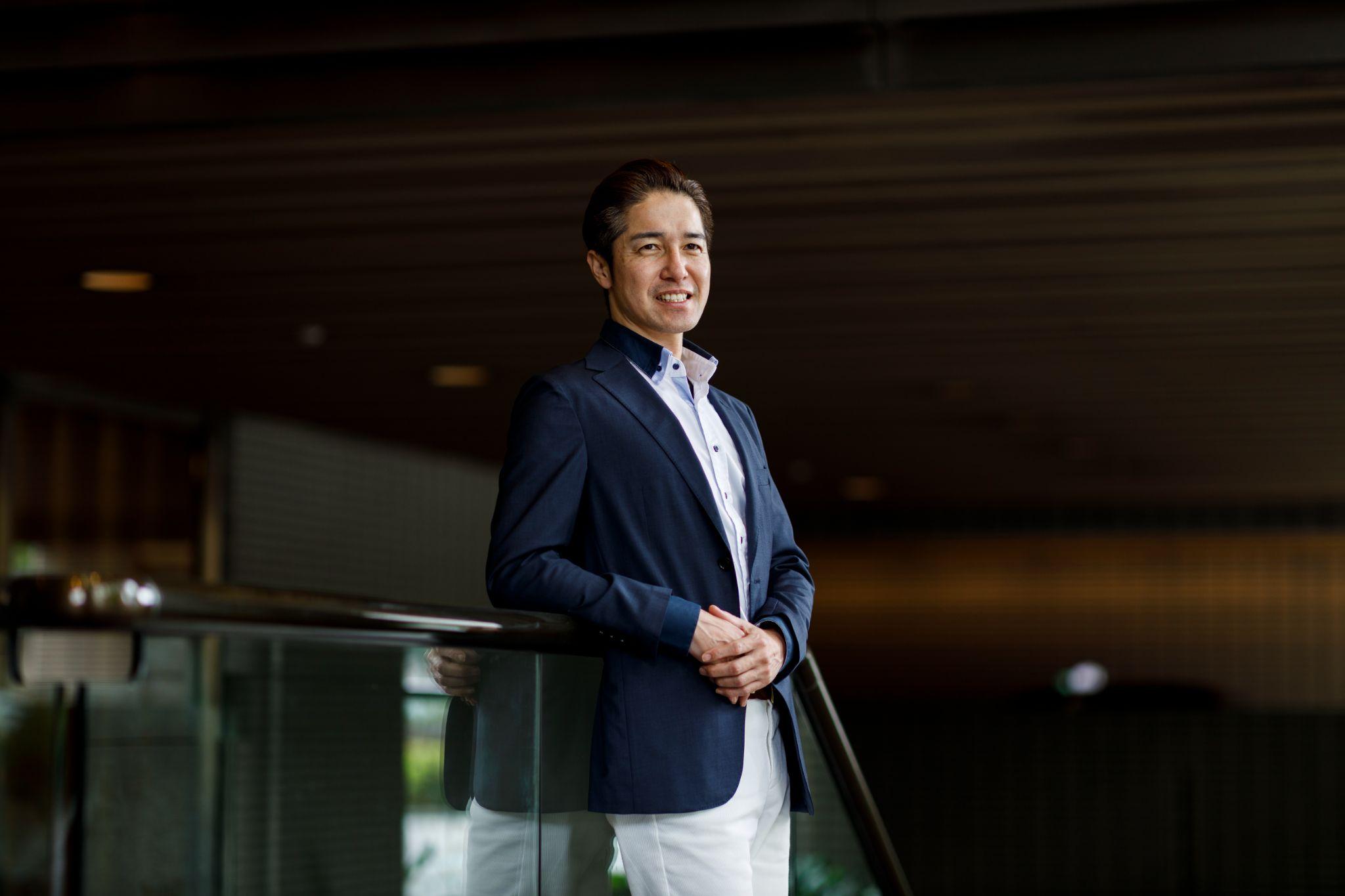
“Stake it all on a single throw."
Kenji Suzuki
Professor
Juntendo University Hospital
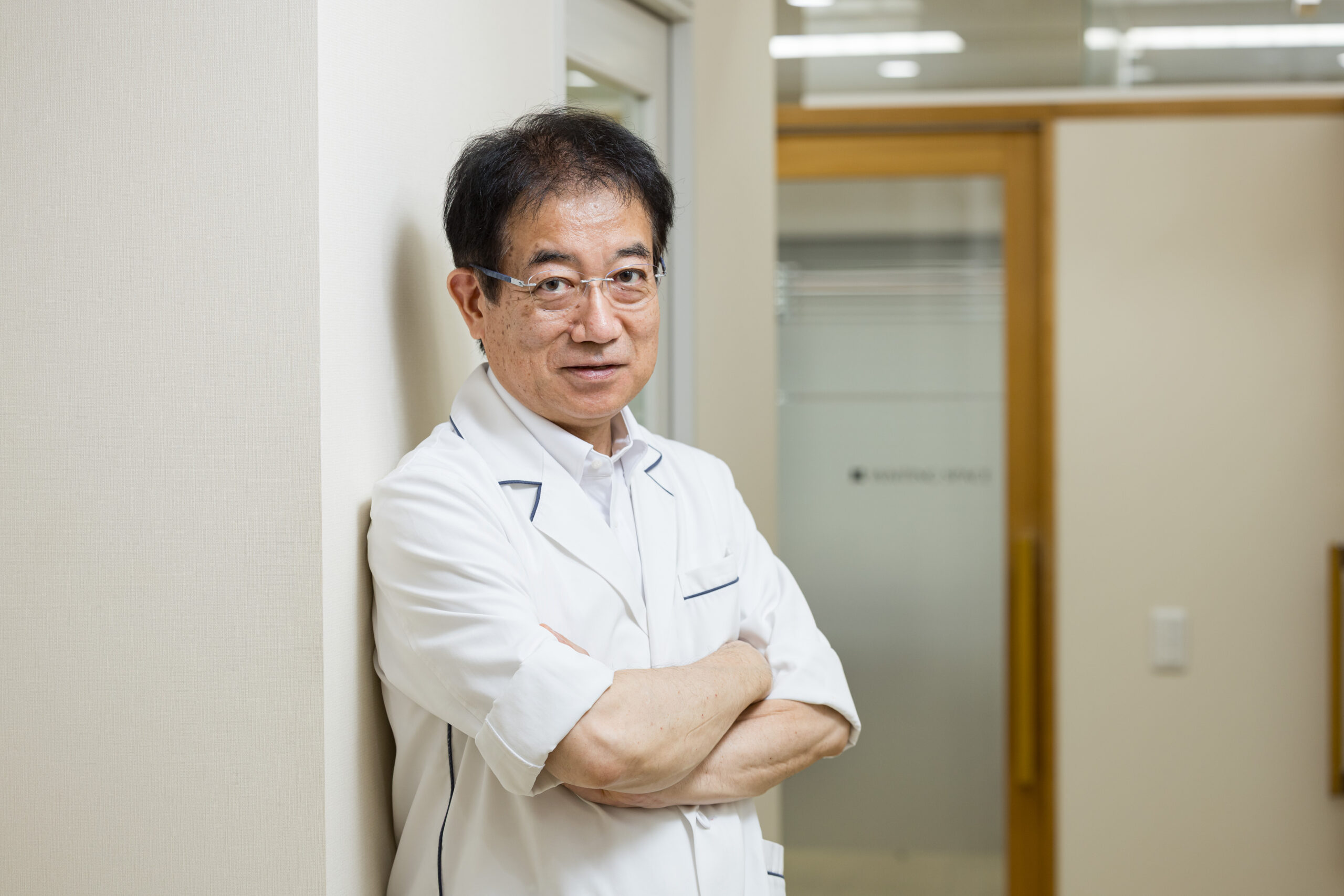
Takes on cases others have abandoned, successfully resecting lung cancers once deemed inoperable. Through his unparalleled skill, Dr. Suzuki is elevating Japanese lung cancer surgery to the global pinnacle.
- TOP >
- FEATURE ARTICLES >
- Kenji Suzuki
A career that began by chance
I didn’t always want to be a doctor. If anything, as a child I thought of doctors as almost godlike beings. Cutting into another person’s body with a scalpel, pushing in a needle: that was not something one human being should do to another, or so I believed. My dream back then was to become a scientist. I idolized Kenichi Fukui, the Nobel laureate, and I was aiming for the science faculty at Kyoto University.
But life rarely goes as planned. I failed the entrance exam and was studying at home to retake it. Then one day, at the venue for a mock exam I was taking at the time, I happened to notice a flyer for the National Defense Medical College. Free tuition, and a student stipend on top of that. Not bad at all, I thought. So, contrary to everything I had first imagined, I enrolled at the National Defense Medical College.
Graduates of the college are required to serve for a set period as medical officers in the Self-Defense Forces. I was no exception, and I was posted to an SDF hospital. But thoracic surgery, the specialty I wanted, and lung cancer operations in particular, were almost never seen in the Self-Defense Forces. Which stands to reason: service members tend to be healthy, and you rarely find a lung cancer patient among them. I wanted to operate, but there were no patients.
So I gradually took up fields adjacent to thoracic surgery, like diving medicine and submarine duty. At the time it was quite frustrating, but looking back, I feel those experiences broadened my horizons. As part of my submarine assignment I was sent to the U.S. Navy and trained there. In my life as a doctor, that was a genuinely unusual and valuable stretch of time, one that gave me a perspective I could not have found anywhere else.
Doctors grow by watching, thinking, and doing
After I left my post as a medical officer in the Maritime Self-Defense Force, I joined the National Cancer Center Hospital East as a part-time physician. Naturally there was no chance of my being allowed to operate at first, and for about half a year my days were nothing but pre- and post-operative management. While the other trainees steadily piled up surgical experience, I couldn't so much as hold a scalpel. But I thought that was only right. Patients come to the cancer center from all over Japan hoping to be operated on by skilled surgeons. For someone like me, who still couldn't do anything, to be operating would be an insult to them.
But if you keep putting in honest, steady effort, someone is always watching. In time I was given chances, little by little, and at last I too could take part in surgery. I was truly grateful, and I realized that in the medical field, trust is the most important thing.
Surgical training in those days was a craftsman's world. "Watch the master and learn" was taken for granted; the usual path was to be allowed into a senior surgeon's operations and to learn by watching how they moved. It was nothing like the United States, where you sign a contract that sets the number of operations you will perform in a year.
But it isn't as simple as the more operations, the better. What matters is observing a skilled surgeon's technique up close and drawing lessons from it. For a young doctor, the power to see is in fact far more important. And training that power, to see, to think, and then to do, is what leads, I believe, to the kind of exceptional talent people call a “God's Hand.”
Medicine needs empathy, not sympathy
In the clinic you have to pay attention even to a patient's life outside it. Following the guidelines that lay out the broad course of treatment is important, but there are many factors those guidelines alone can miss. Perform a standard lobectomy on a lung cancer patient, for example, and while it treats the cancer, there is a real chance their breathing will sharply diminish afterward. If that patient lives on the fourth floor of an apartment building with no elevator, simply getting home becomes an ordeal. In a case like that, choosing a less extensive operation, even if it raises the risk of recurrence somewhat, is more likely to preserve the patient's quality of life.
Making that kind of judgment takes the ability to read a patient's living situation and values from the back-and-forth of the consultation. That isn't written in any textbook, and medical school doesn't teach it. What it calls on, rather, is something like the doctor's own way of living as a person, the human capacity built up through relationships with others.
Medicine looks like a hard science, but in truth it is a field with a large humanities streak. Far more important than solving equations or grasping complex theory is the power to attend to how people feel, the sensitivity to understand another's pain. How close can you bring the emotional distance between yourself and the patient? What is asked of a doctor there, I would say, is not sympathy, an emotional pity for the patient, but empathy, an understanding that draws close to their situation and their feelings.
New technology reduces the risk of medical accidents
As a new challenge, I am now developing a medical support device that uses augmented reality. It overlays CT images onto the patient's body so that a tube can be inserted safely into the chest cavity.
In respiratory medicine there is a procedure called chest drainage, in which you insert a needle and tube into the chest to draw off air or fluid that has built up. But in the process, the needle or tube can sometimes injure a blood vessel or an internal organ. Elsewhere in the body you can guide the procedure while watching the interior on ultrasound, but the chest, with lungs that are always full of air, cannot be monitored that way, so a great deal rests on the operator's skill. For that reason, accidents from chest drainage could never be fully eliminated, and it was regarded as a serious problem. This new technology can solve it.
At first we had no money, so we launched the first crowdfunding campaign in Juntendo University's history and managed to win support. After that, full-scale development began as a university startup. Now it is starting to move into real-world use, and I keep at the work with the hope of bringing this technology to places where medical care is still developing, to parts of Africa, Southeast Asia, and Eastern Europe, for instance.
Detours broaden and enrich your life
Looking back on my own career, almost nothing went according to plan. And yet I realize that the encounters and experiences that seemed like chance are exactly what have shaped who I am. I have long loved a book by Kojin Shimomura, "For the Reflection of Young People," which teaches that you should not weigh gains and losses when you are young. Even what seems wasteful, even what feels like a detour, always comes to hold meaning later. That, I think, is how life works.
I am who I am because of the detours I took. I hope young people won't fear the roundabout path or stop to tally gains and losses, but will throw themselves fully into whatever is in front of them. Do that, and it will surely lead to something. That is what I want them to believe.