- TOP >
- FEATURE ARTICLES >
- Yasuro Ikushima
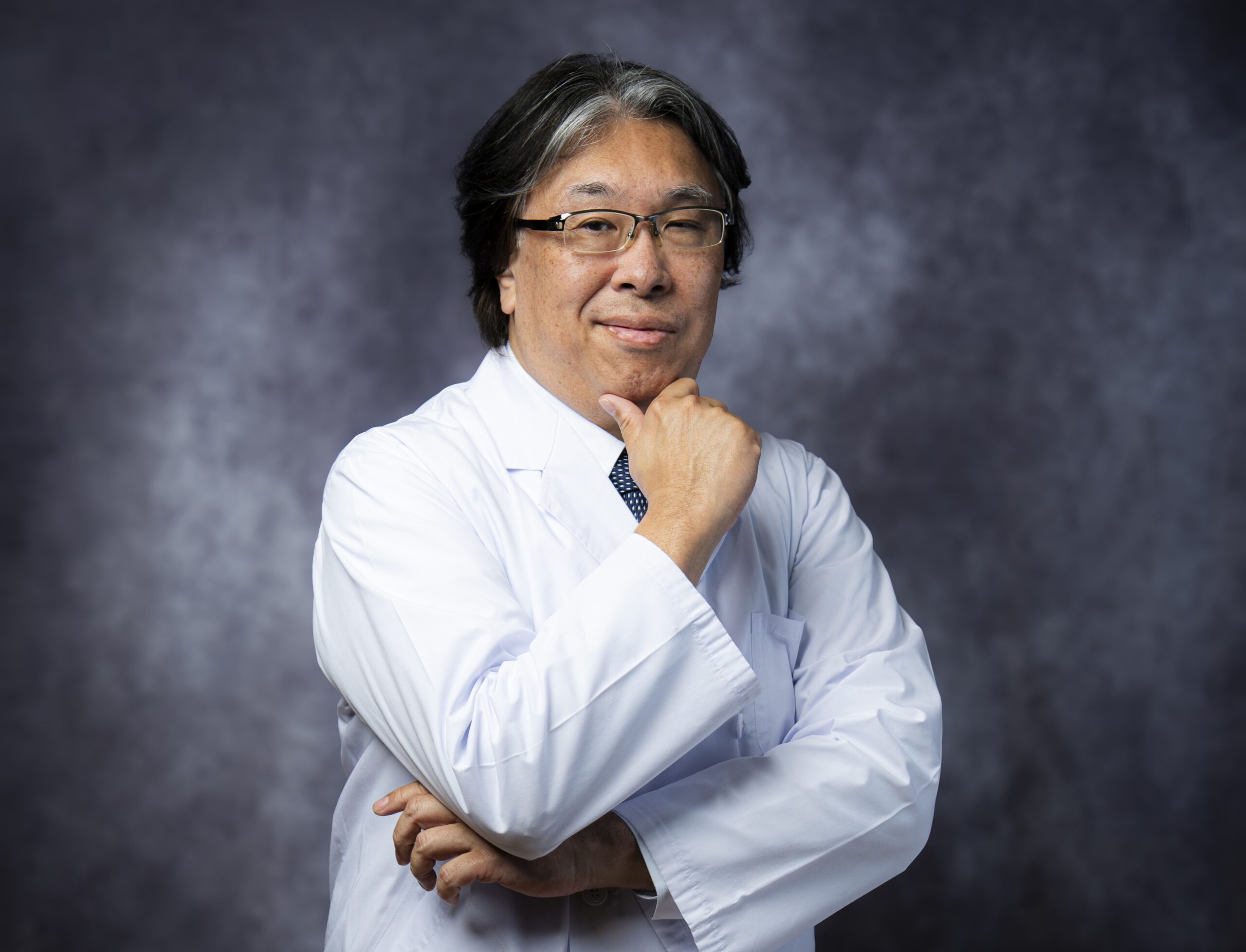
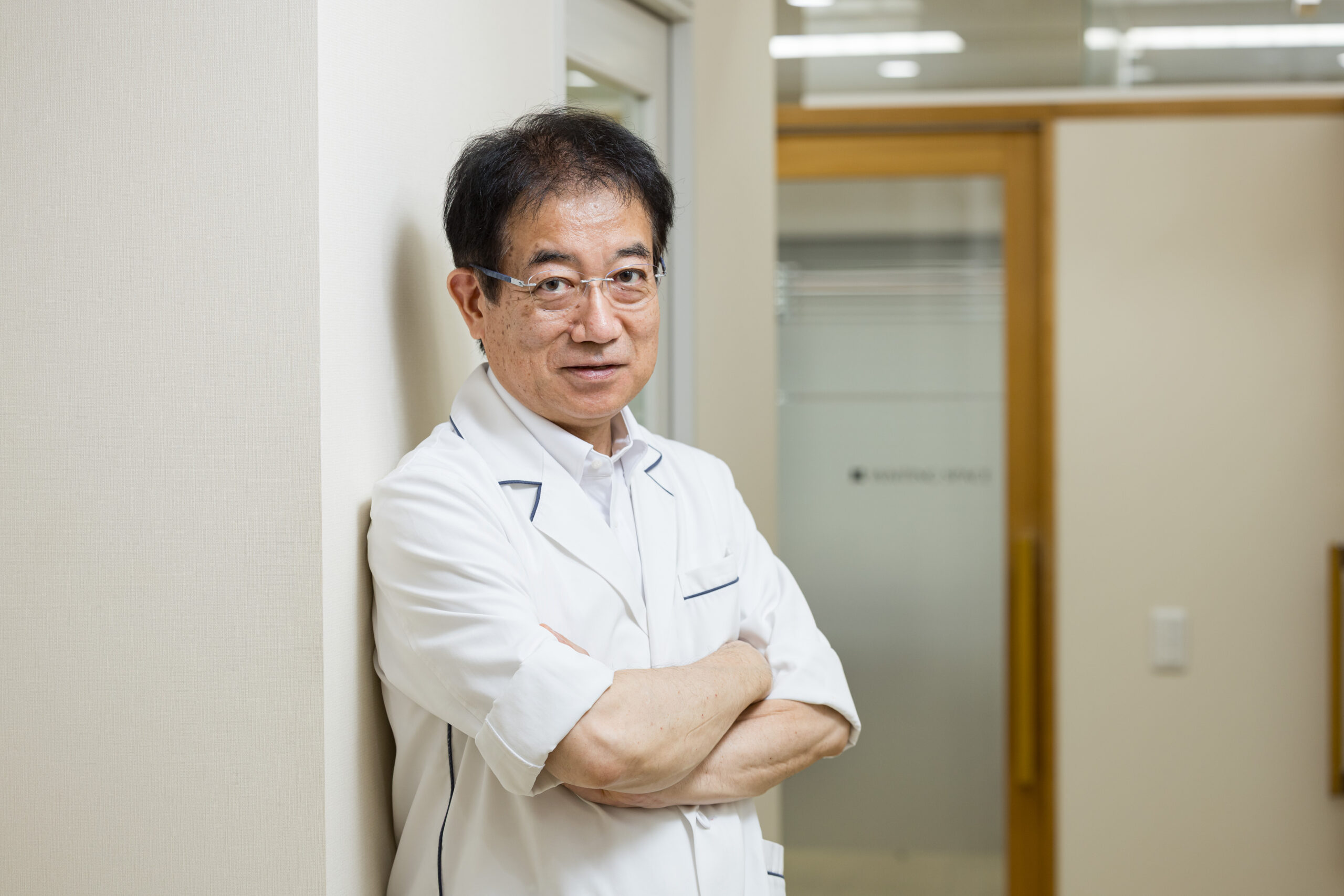
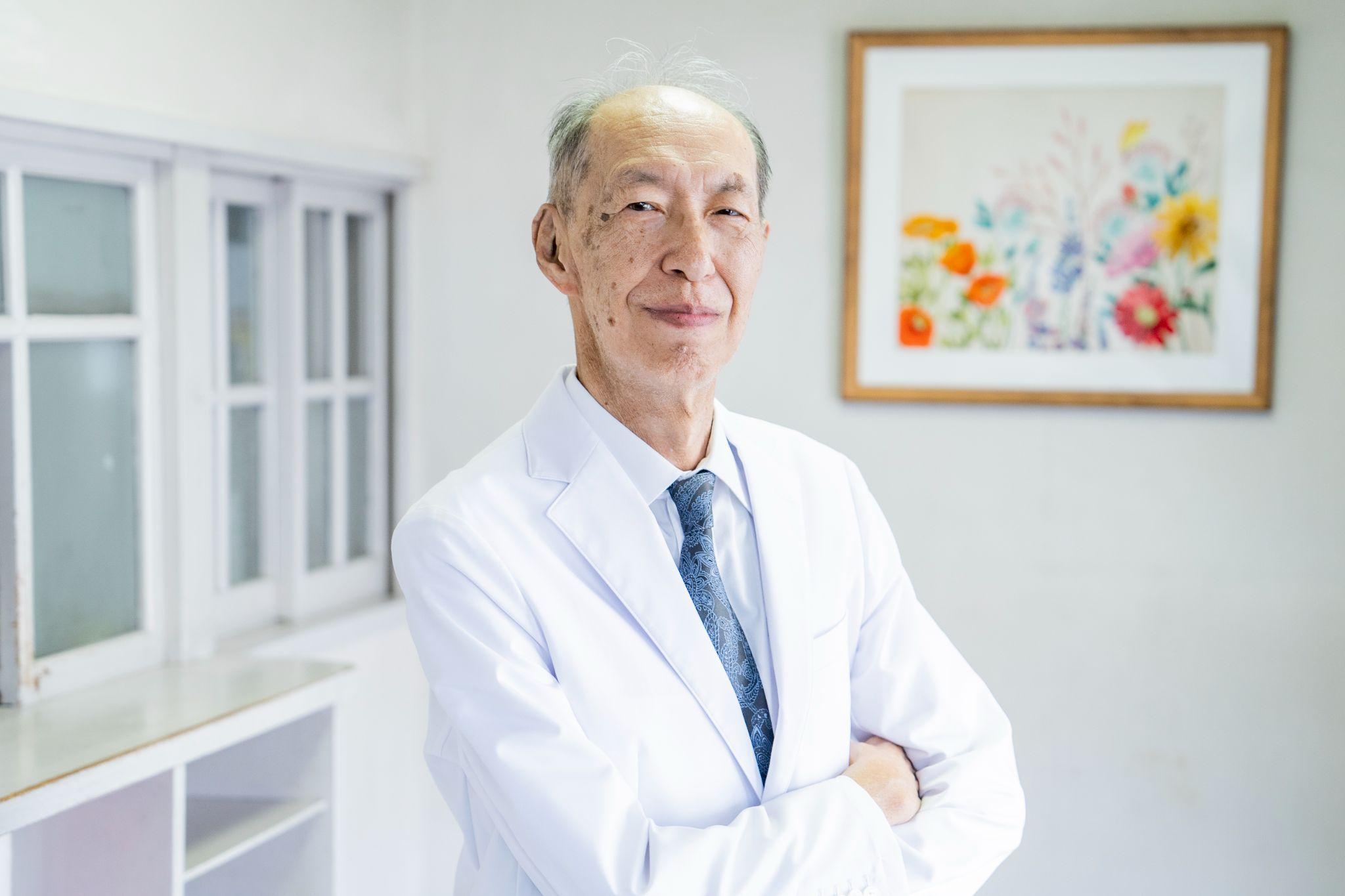
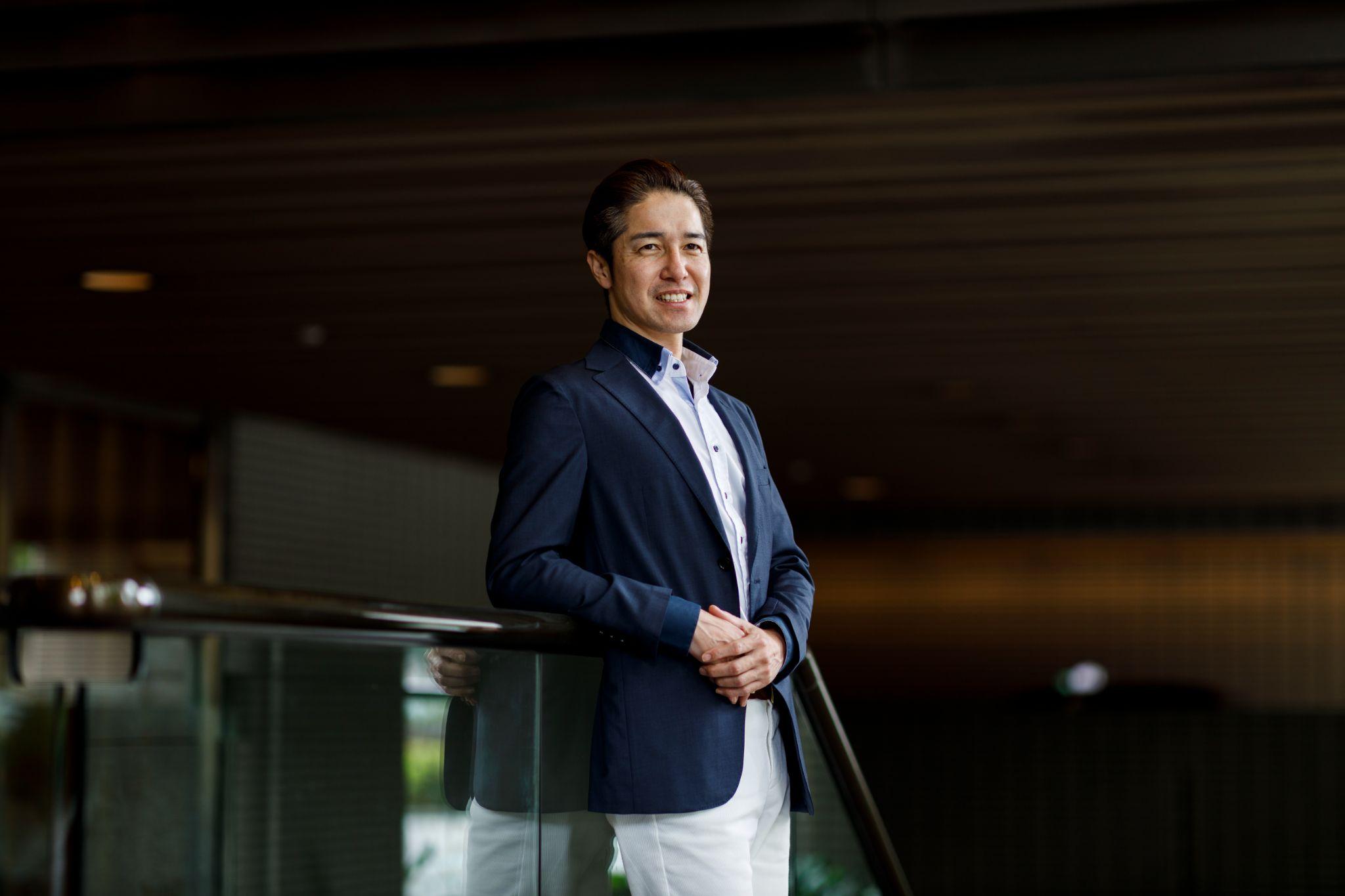
"Medicine is an art"
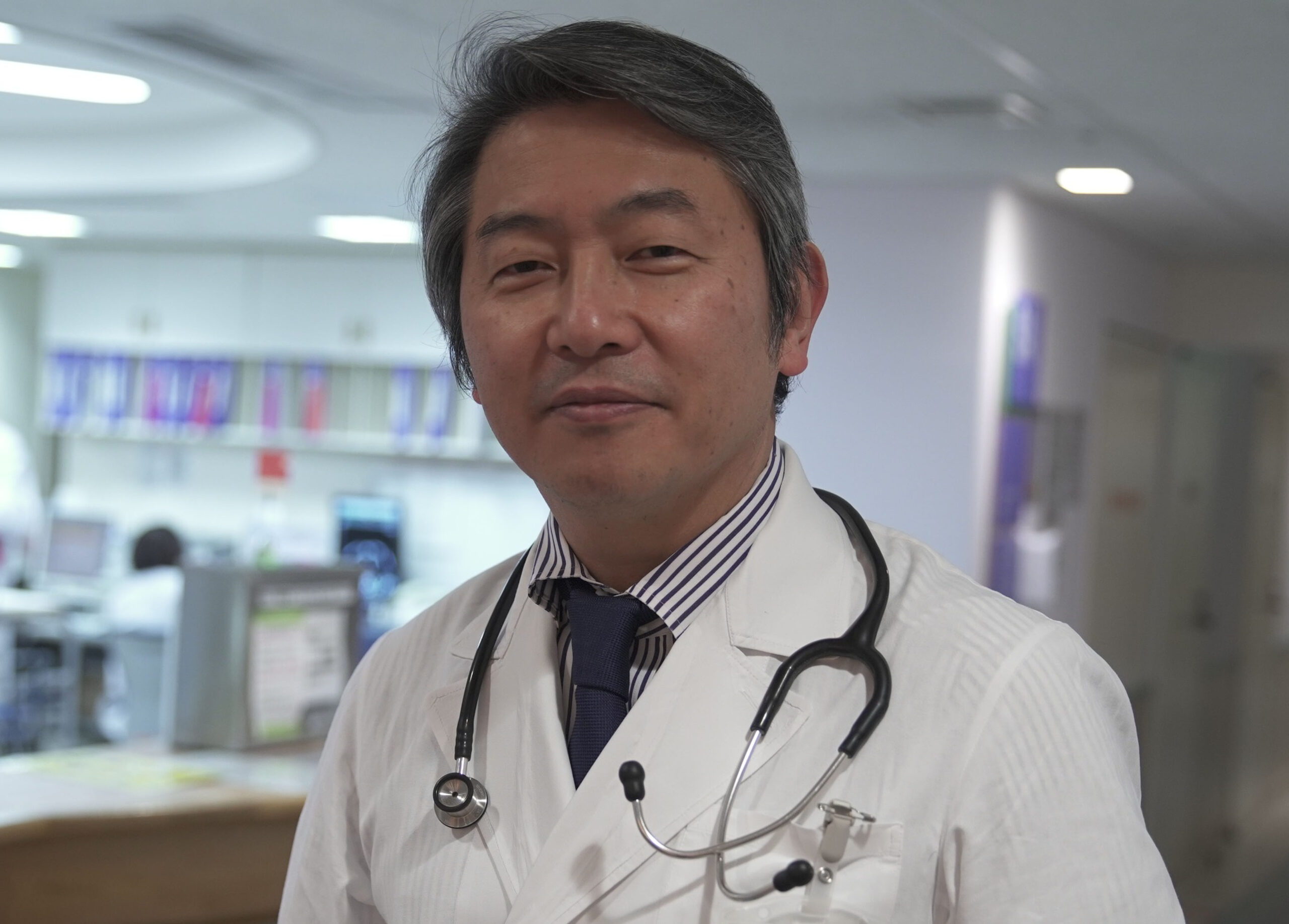
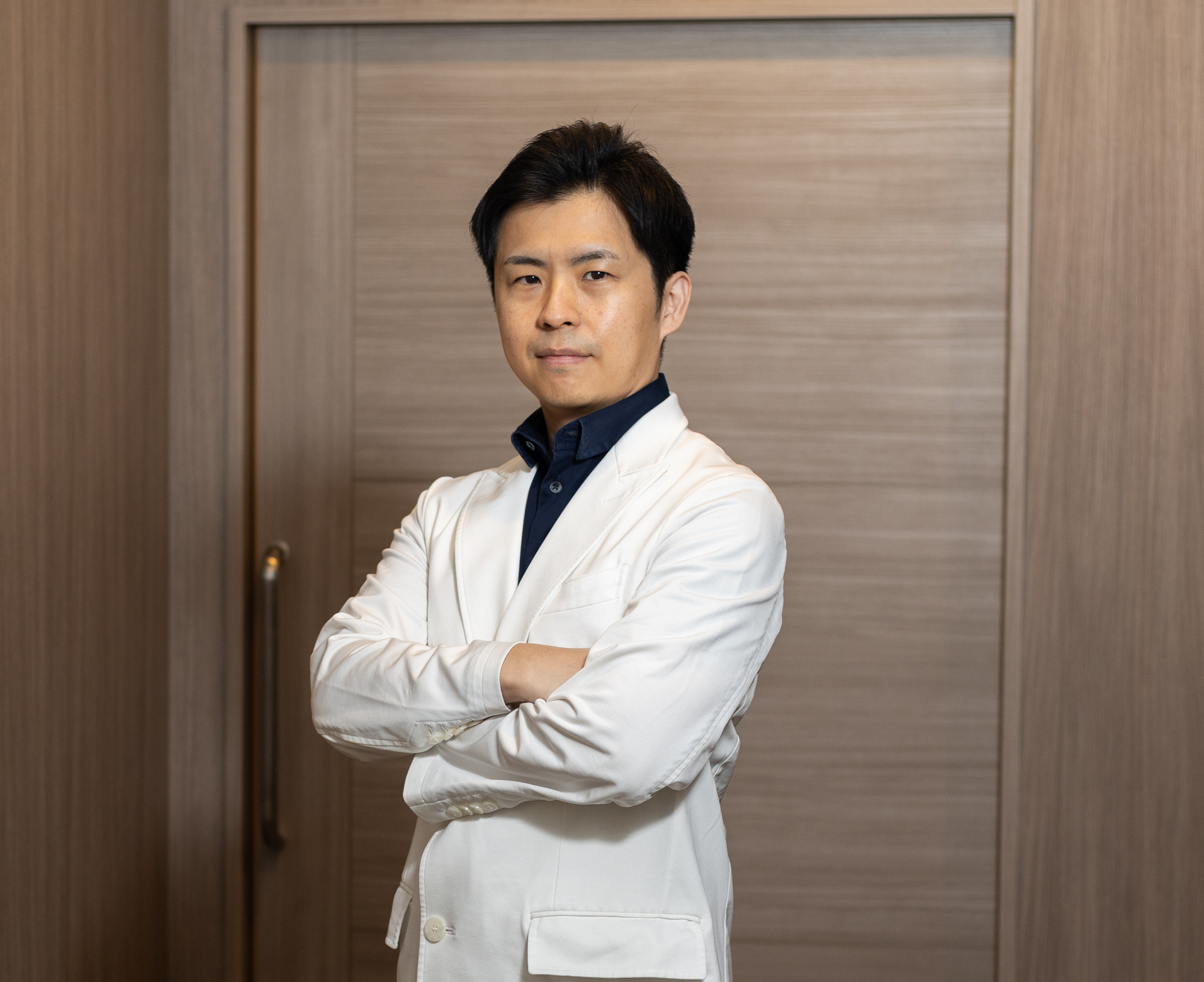
Yasuro Ikushima
Director
Ikushima Clinic
Website:https://www.ikushima.or.jp/
Treats conditions using a Kampo (Japanese herbal medicine) approach. Also applies psychological analysis for lifestyle diseases such as hypertension, diabetes, and hyperlipidemia.
- TOP >
- FEATURE ARTICLES >
- Yasuro Ikushima
Is medicine by the book really the right answer?
Western medicine’s drugs are said to work about 80 percent of the time. Turn that around, and for 20 percent of people, those drugs don’t work. Even a specialist in a given field leaves 20 percent of patients with nowhere to turn. Western-style evidence and standard treatment matter, of course. But it leaves me uneasy when a doctor prescribes straight from the book, going by the name of the disease alone, without ever looking closely at the particular patient in front of them, whose condition is unlike anyone else’s. That happens even in Kampo (traditional Japanese medicine) practice.
Kampo has a body of oral, rather than written, teachings, and one of them is the phrase follow the shō. The shō is Eastern medicine’s measure of a patient’s overall state of mind and body, its counterpart to a Western diagnosis. Instead of a disease label, it’s a reading of the body’s condition at a given moment, judged from the person’s constitution, their stamina, and the way the symptoms present.
These teachings, called kuketsu, are passed down through the oral tradition. In them, we learn the most effective methods, the cautions, the skills, all drawn from centuries of experience. One of the great features of Kampo is that a single remedy can ease physical and mental symptoms at once. To follow the shō means choosing a remedy by trusting your own findings, rather than simply choosing a remedy labeled for mental symptoms just because the patient is experiencing mental distress.
You see cases where a patient with a persistent cough gets the same cough suppressant, visit after visit. But if no one asks why the cough won’t stop, it isn’t real treatment. To my mind, real medicine means doctor and patient both dropping the assumption that “I’m taking cough medicine, so the cough should stop.” Instead, we should watch the body and consider that something in the person’s daily life may be keeping the cough going. Set aside conventional wisdom and preconceived ideas, keep your own mind clear, and follow the shō with humility. That, I believe, is the shortest road to healing a patient.
Looking past symptom relief toward more natural medicine
Kampo looks at a patient from a different angle than Western medicine, and it drew my interest from a young age.
Japan then was in its era of rapid economic growth, the economy climbing year after year. At the same time, the environmental toll of air and water pollution was producing many pollution-related illnesses, and it had become a social problem. Voices warning that things could not go on this way grew louder, and as someone in medicine, I found myself asking a question: isn't there an approach that gets at the root of why a patient fell ill in the first place? That question, I think, is what led me to Kampo. So it was only after I had built up a physician's knowledge, gained a solid round of experience, and opened my own practice that I began to study Kampo in earnest.
The Kampo world has several schools of thought. I was fortunate, though, to hear a wide range of views regardless of school. Fukuoka in particular is home to eminent doctors from a variety of schools, and rather than dismissing one another, they sharpened each other by debating cases with real energy, acknowledging that there is always another way to think about a particular case. I felt a strong kinship with that spirit. If a method is good for the patient, it makes no difference whether it comes from Western or Eastern medicine, or from one school or another. What matters is that the patient gets better.
Seeing mind and body at the same time, Kampo's signature
To me, treating mind and body together is Kampo's foremost feature, and one that Western medicine lacks. From a patient's words, expressions, and physical symptoms, I read their psychological state and map it onto the concept of the five viscera, the five organ networks of Eastern medicine. As is often said, mental state and physical symptoms are closely linked. In one case, an emotional patient who tended toward insomnia began to sleep again after I prescribed a remedy to settle the stomach and intestines. Western medicine treats emotion and the digestive system as entirely separate, but in Kampo we see the digestive organs as tied to reason. The opposite of "rational" is "emotional," so we hold that emotional words and behavior weaken the gut. That emotional turn heightens anxiety, which can bring on sleeplessness. Once the patient met the anxiety with reason, sleep apparently returned.
This is the idea of shinshin ichinyo, mind and body as one. Not handling body and mind separately, but examining them together: that, I believe, is a defining feature of Kampo. Two frameworks have guided me here, the five-viscera theory of Eastern medicine and the egogram, a personality tool from Western psychoanalysis.
Calm the anger, and the body settles
In recent years, as communications infrastructure has matured and the laws have caught up, more doctors have taken up online consultations. My own clinic has invested in it, and I'm encouraged by the growing number of patients from far away, from Shikoku, from the Kansai region, and even from around Tokyo.
Kampo has four methods of examination: looking, listening and smelling, questioning, and touch. Online consultations prevent direct physical contact with the patient, yet even then, reading the palm tells me a great deal. From there, I gauge the patient's condition, settle on a suitable course, and prescribe.
Take anger, for instance. It's one of the seven emotions (anger, joy, pensiveness, sorrow, worry, shock, and fear), a natural human feeling, and perhaps not something to weigh as good or bad in itself. Feeling anger at injustice or unfairness is entirely natural. The opposite of "to be angry" is "to forgive." Without knowing how to forgive, a person holds the anger indefinitely, and the body answers back: it surfaces in blood pressure, pain, cholesterol, blood sugar, uric acid, and more. When a patient is angry about something, I suggest that perhaps it isn't worth the anger, and we train them to shift how they see it. I guide them from anger toward forgiveness, a real change in behavior, and the body's reaction to the anger fades.
What I'm aiming for is medicine that doesn't even need herbal remedies. Reach that point, and patients come to stand on their own, no medicine required.
Medicine is an art
In the palm-print medicine of Chinese tradition, the palm has long been regarded as one clue for reading a person's physical condition. The palm here isn't a tool for fortune-telling; in recent years it has become a branch of psychology, a way to gauge a person's mental state. If the palm can point to the illness, it suggests that the person's mental state may be closely connected to their physical condition. Find where the symptom truly comes from, and instead of suppressing it, address the mental state producing it. That, I believe, is what makes real physical healing possible.
What matters most here is the perspective of 'seeing the whole person.' It requires an attitude that looks beyond mere data analysis to a way of seeing that takes in body and mind, life circumstances, and the whole shape of how someone lives. So I practice Kampo through a kind of psychoanalysis read from the palm. Kampo has been doing psychoanalysis for five thousand years. Seen that way, a Kampo doctor's examination is a conversation with the patient's soul.
In that sense, medicine is genuinely creative work, something closer to art. About a hundred years ago, the Canadian physician William Osler said that medicine is an art based on science. You build on science, on evidence, and then, on that foundation, you attend to one human being. Test numbers and scans do reflect the truth, but look at them alone, without bringing imagination to how you read them, and what's there to be seen stays hidden. Taking time over the interview, examining the tongue, reading the pulse, and discerning the essence of the person: this seemingly tedious work is precisely the ground only a doctor can hold. Kampo, to me, is exactly that kind of art.