- TOP >
- FEATURE ARTICLES >
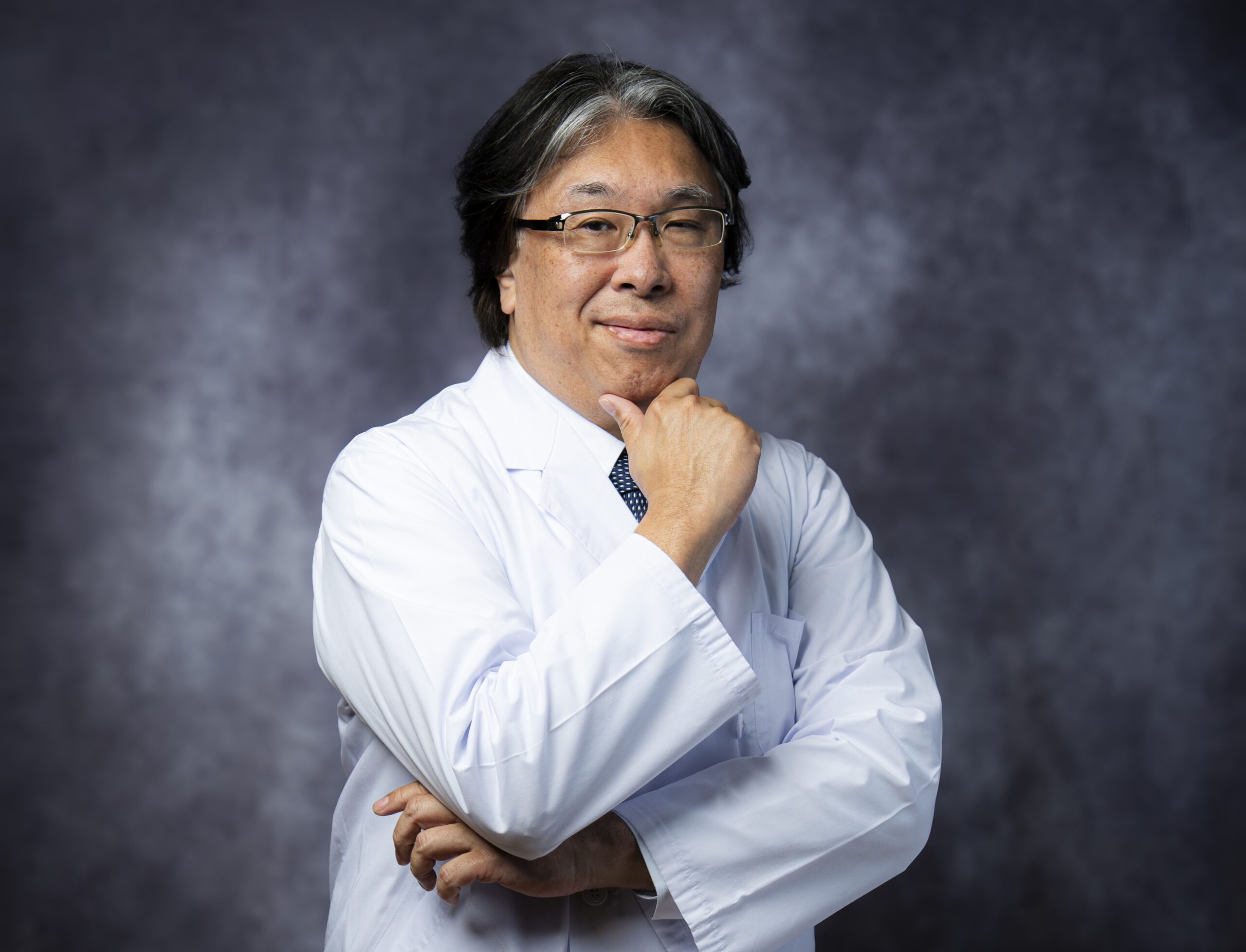
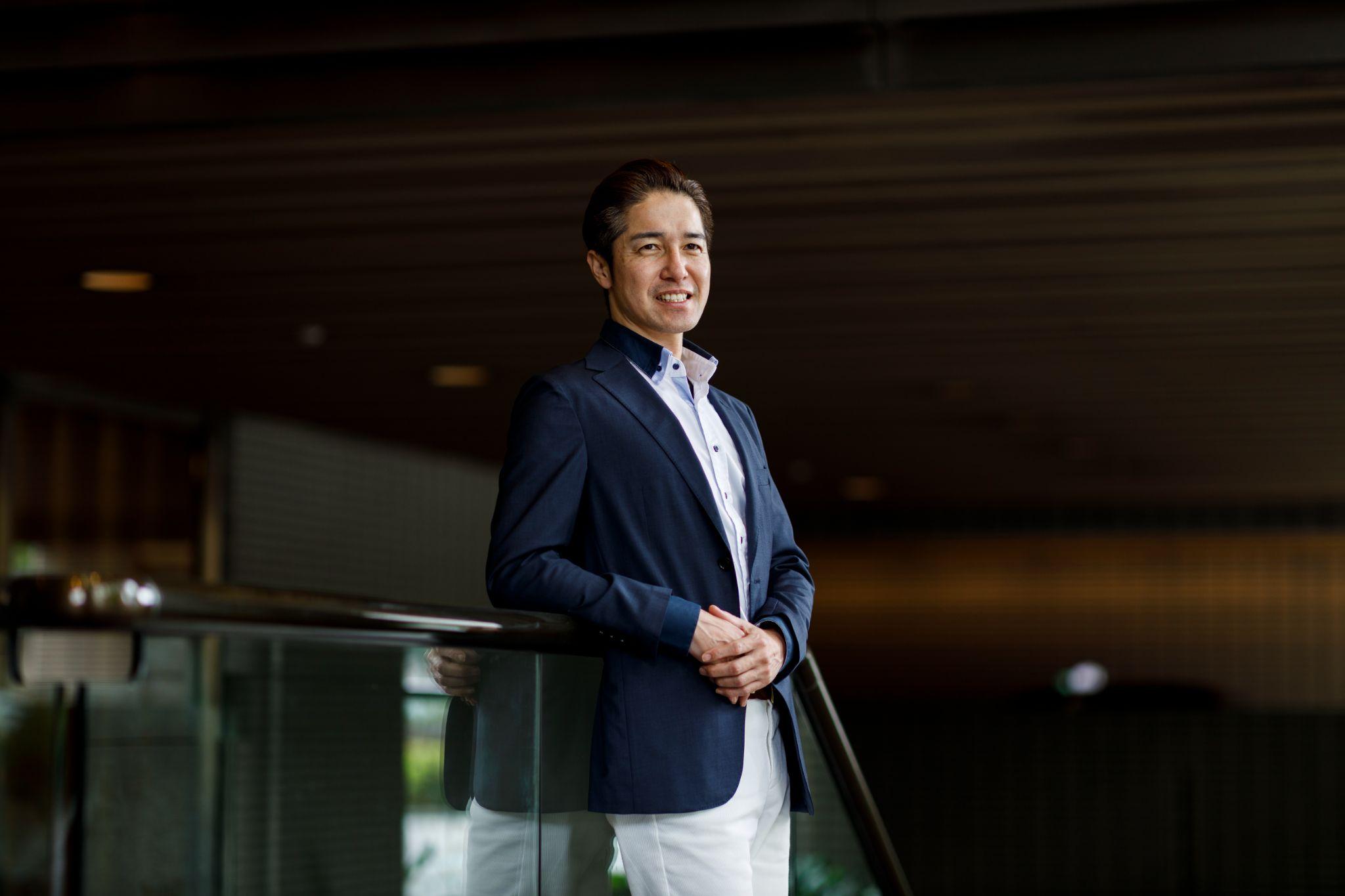
- Tsutomu Fujii
“Do not do to others what you would not want done to you.”
Tsutomu Fujii
Professor
Tsutomu Fujii
https://www.hosp.u-toyama.ac.jp/
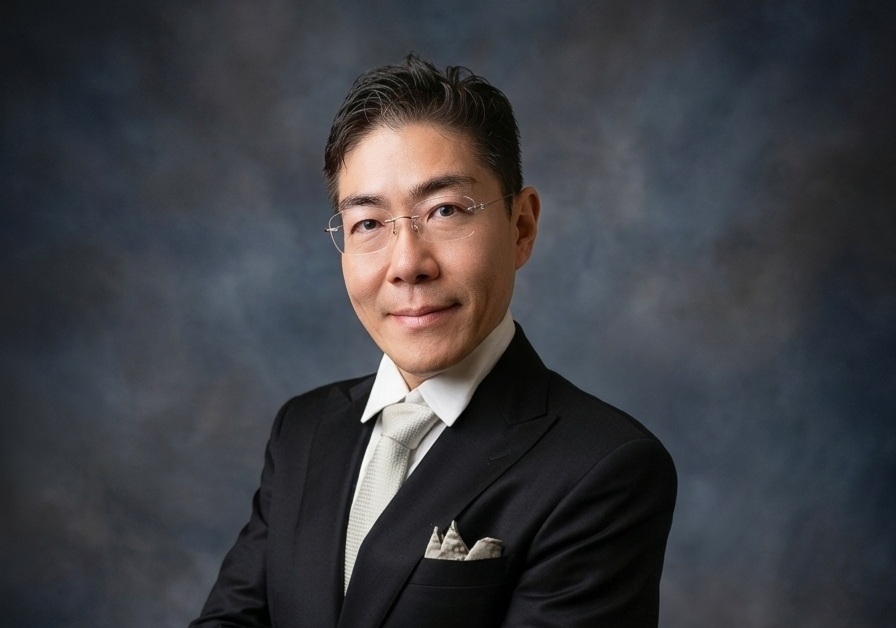
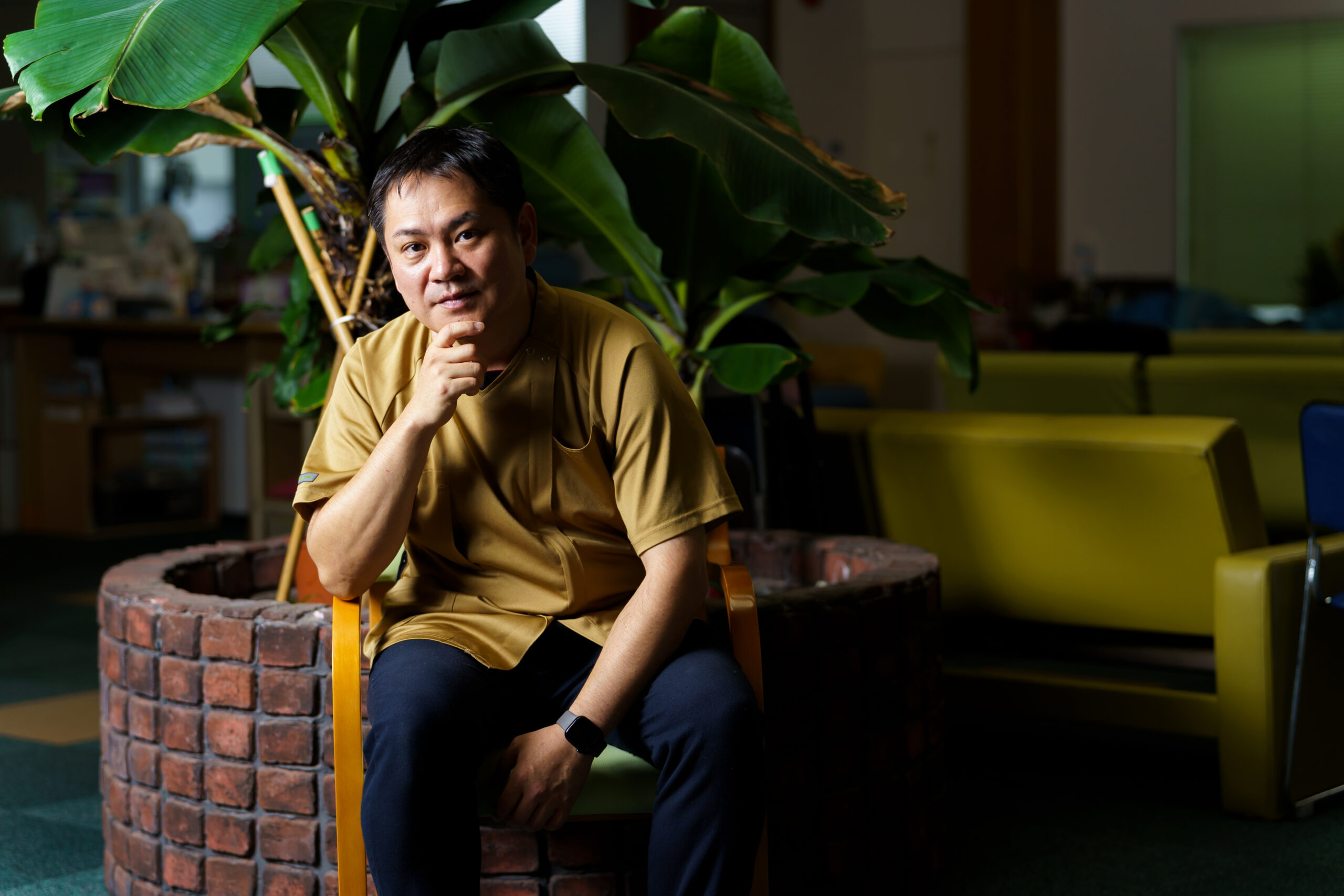
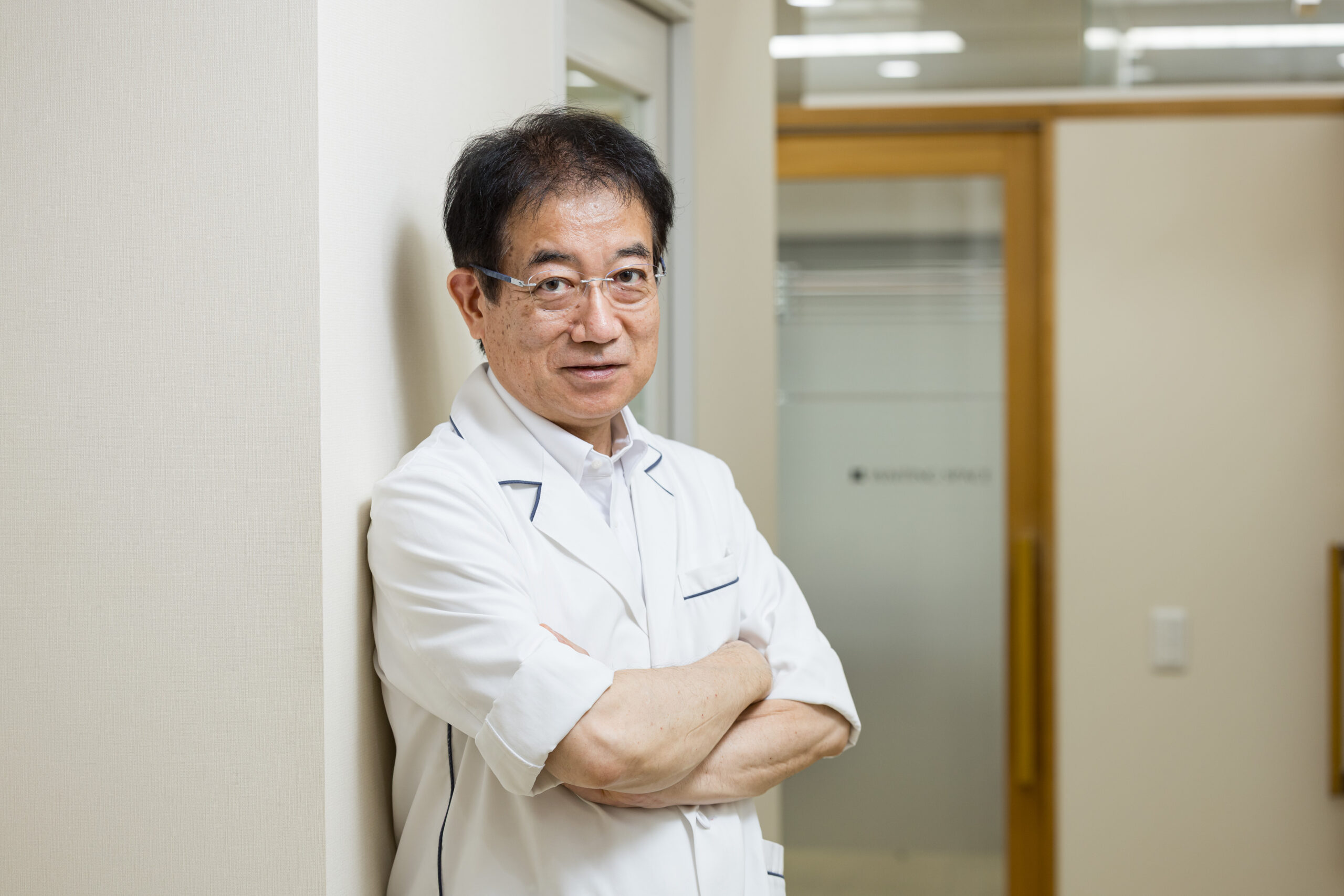
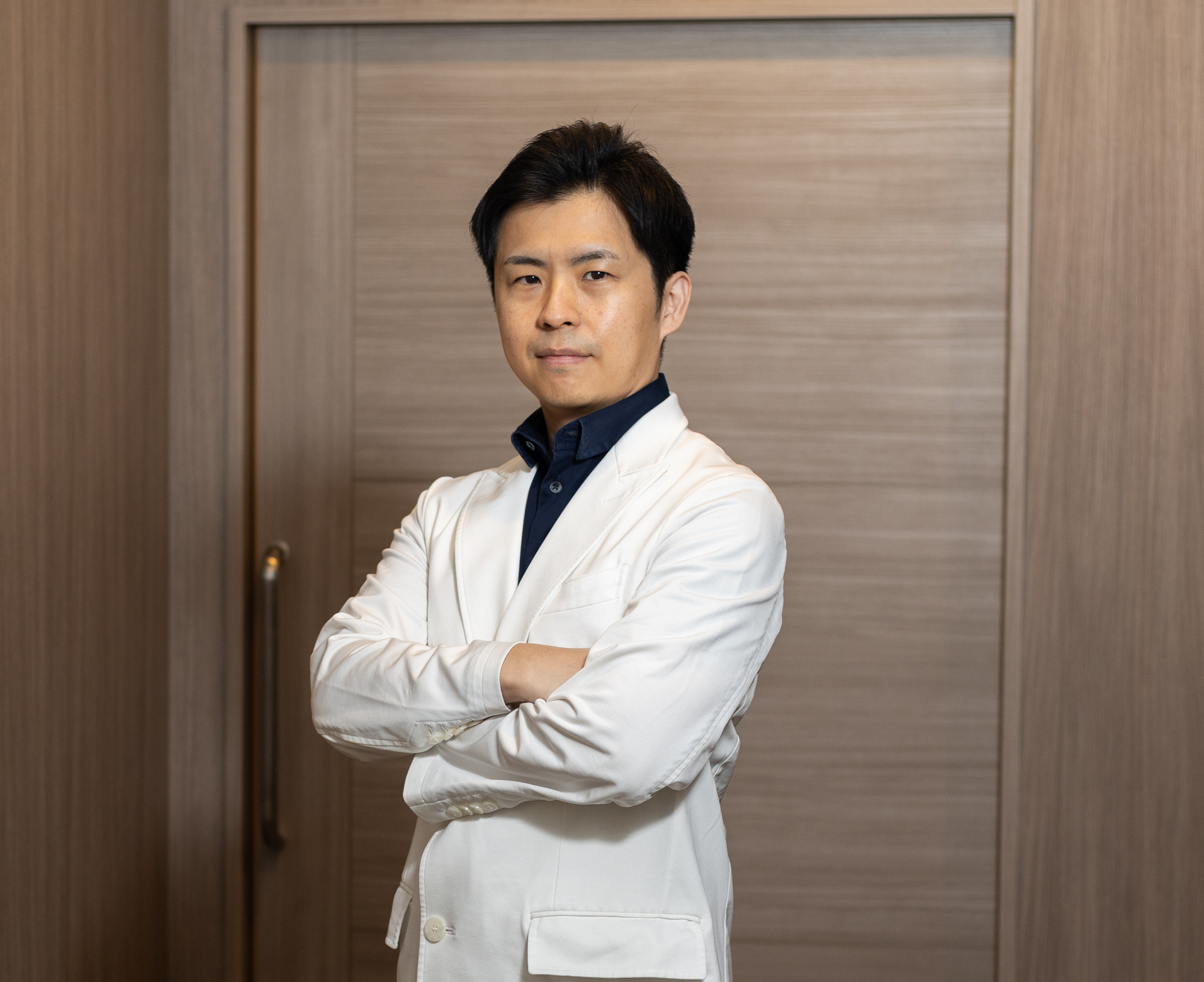
Gastrointestinal surgeon and founder of Japan’s first Pancreatic and Biliary Center. Takes on complex cases of pancreatic cancer nationwide, while leading working condition reforms for gastrointestinal surgeons.
- TOP >
- FEATURE ARTICLES >
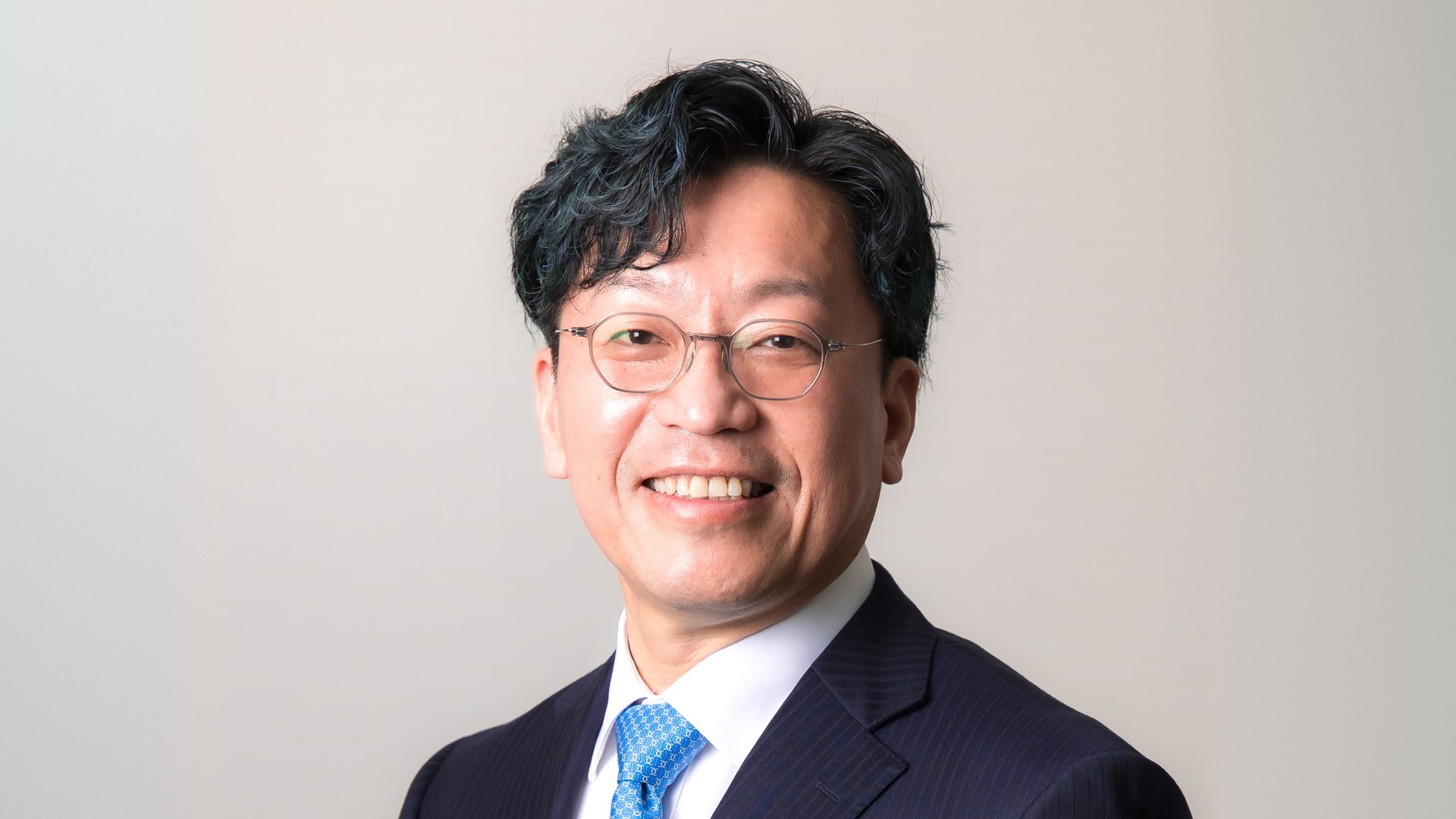
- Tsutomu Fujii
Founding Japan's first pancreas and biliary center
At Toyama University Hospital, where I work, we established the country’s first Pancreatic and Biliary Tract Center in 2018. It came together because three of us happened to be in the same place: me, with a strong record in pancreatic cancer surgery; Professor Ichiro Yasuda, an expert in pancreatobiliary internal medicine; and Professor Kenichi Hirabayashi, a pathologist.
Surgery and internal medicine approach disease in completely different ways, so they often clash, and chances to work together are hard to come by for that very reason. But once we launched the Pancreatic and Biliary Tract Center, patients started coming from across the country for treatment. The response was greater than we had imagined.
The body’s organs are connected to and act on one another, and I believe pancreatic and biliary disease should be understood as a single continuum. So, in my opinion, having surgery and internal medicine treat it together, from different angles, is close to the ideal approach.
Building a place where young doctors can do their best and grow
One of the defining features of the Pancreatic and Biliary Tract Center is the close cooperation between surgery and internal medicine. That cooperation gives young doctors room to work freely. A young surgeon on my team, for example, can ask internal medicine doctors for something or seek advice without worrying about how their boss might react. That broadens their own perspective, and it is sure to help them grow.
When we were establishing this center, my top priority was to make it a workplace that truly benefits young people.
In the surgical field generally, the hours are absurdly long and overtime is a given. The prevailing attitude is that long hours are a virtue, and yet the pay is by no means high. Every day is so hectic that even carving out time to study is a struggle. On top of that, a young surgeon who wants to sharpen their skills is not allowed to operate in the first place, so there is no way to gain experience.
These young people likely became doctors with real convictions and high aspirations, but as the years pile up, it becomes more and more difficult for them to imagine growing or improving at all. To be honest, I’ve lost count of how many times I thought about quitting. But every time, I would tell myself, “just a little longer, keep at it.”
I don't want today's young doctors to go through what I did. It’s exactly as the saying goes: “Do not do to others what you would not want done to you.” So I set out to build here the “ideal workplace" I had wished for back when I was young, the one I kept thinking should exist.
Surgery is, after all, an unpopular specialty, and young people tend to steer clear of it. Even so, at the Pancreatic and Biliary Tract Center, young doctors get to operate one case after another with veteran surgeons supporting them, and they build up experience. Word of this has spread inside and outside the university, and more young surgeons are joining us, which is a real joy.
Putting reform of doctors' working conditions into practice early
We overhauled the working environment from the ground up, bringing in a rotating on-call system for nights and weekends to shorten hours. Pancreatic and esophageal cancer operations can run more than ten hours, but with a rotation in place, we alleviate the fatigue on the surgeons and the rest of the staff, and people with sharp concentration can be the ones at the operating table. This set of improvements, which came ahead of the government's reform of working practices in medicine, has taken shape as the “Toyama style,” though it took time and effort to make it a permanent part of our culture.
Another big change was the rise in the number of women surgeons. By overhauling the center's working conditions, we built a more inclusive environment, one where more women doctors, for example, looked at the work and thought, “I can do this too.”
As more of them joined, the mood on the team grew more collegial, and I've come to expect that trend to continue. These days, young doctors come to us not only from the Hokuriku region but from around Osaka and the Kanto area, telling us, "It's hard elsewhere, but at Toyama University Hospital I can enjoy the work.
Handling the most difficult cases with cutting-edge robotic surgery
In my own field, gastrointestinal surgery, robotic surgery had been in use for about a decade. But when I took up my post at Toyama University Hospital, it was not being done anywhere in Toyama Prefecture. Robotic surgery is a technology of the new era, so I took the lead in negotiating with the hospital and pushed to bring it in and put it to use. Today we use robotic surgery not only for the gastrointestinal system but for the pancreas and liver as well.
The surgical support robot called the “da Vinci” allows delicate maneuvers, so we can operate with high precision and care. That is a major benefit for patients too. We now keep two da Vinci units on hand, which lets us take on highly complex procedures.
Education that puts young doctors first, a workload that does not overtax them, and cutting-edge treatment of the most difficult cases. What we focus on now is doing all of these at once. Within that, we treat our patients honestly and provide treatment that makes them think, “I'm glad I came all the way to Toyama.” That, I think, is our true goal.
Before you run, think for just a moment
To the young people heading out into the workforce, I want to say: remember that the harder you work, the more good things come your way. This is not limited to doctors or medical professionals.
In any industry, there is a lot of hardship and pain. There will be times when you feel you cannot take it anymore, times when you half give in to despair and think, “How can I keep doing this?” I know that feeling all too well.
But before you run away on a whim, I want you to think for just a moment. You made your own way to the place where you stand right now. Even if a great stone blocks your path, move it aside and the road opens again. From doing that over and over, I am living a very happy life today.
None of this is anything grand. Just throw yourself into what is in front of you and get through it, one thing at a time. That is what opens the way to your own future.