- TOP >
- FEATURE ARTICLES >
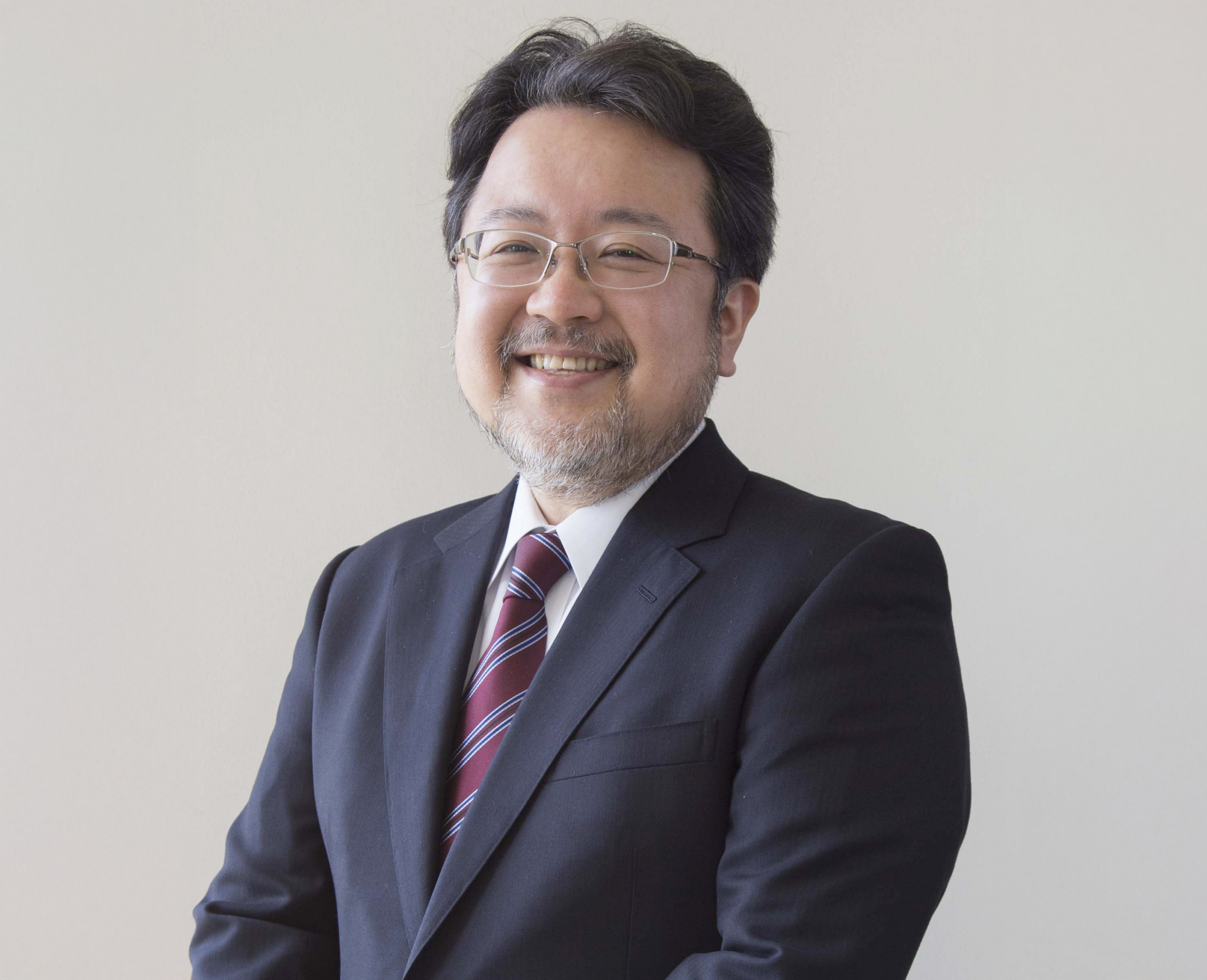
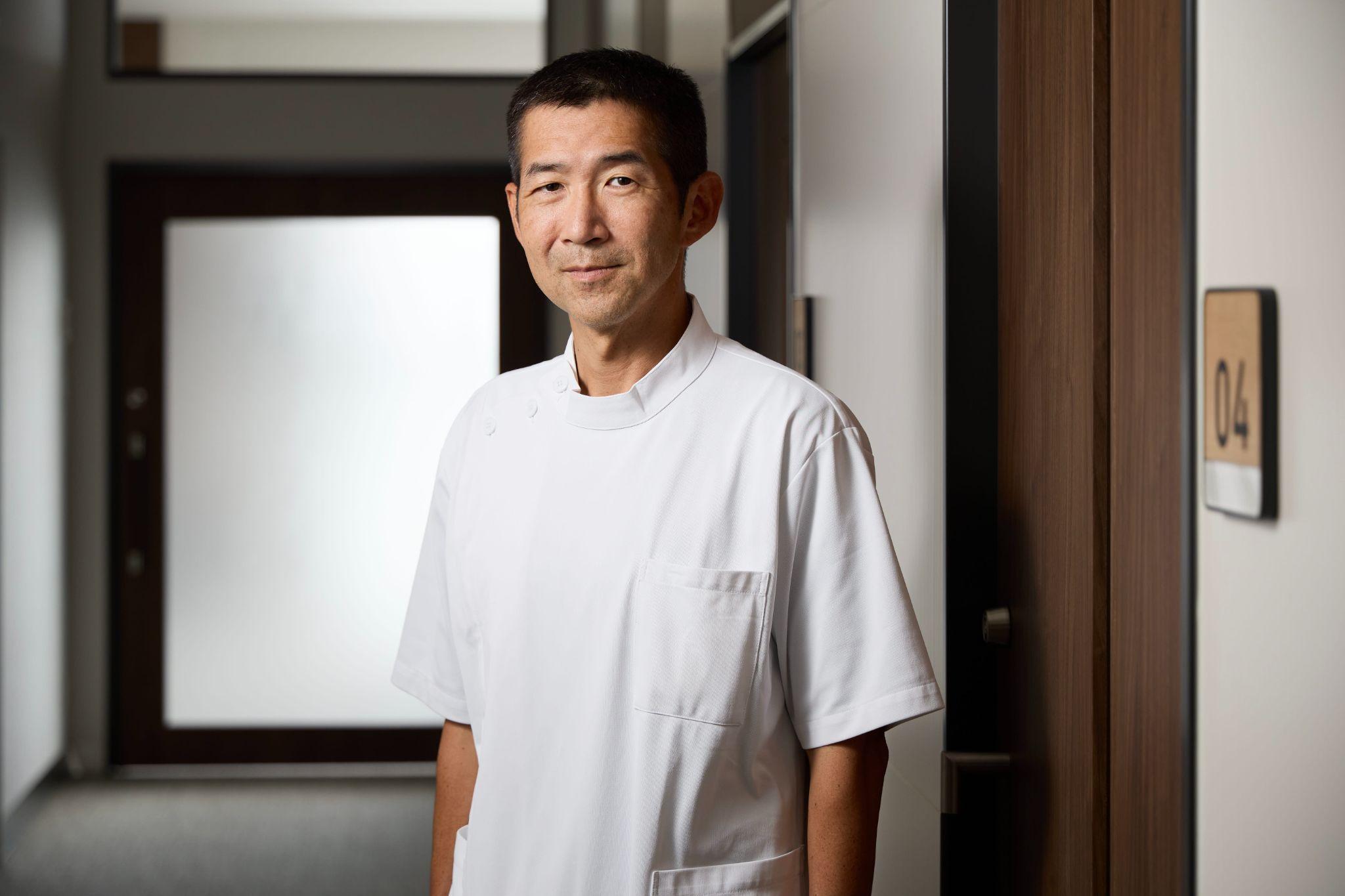
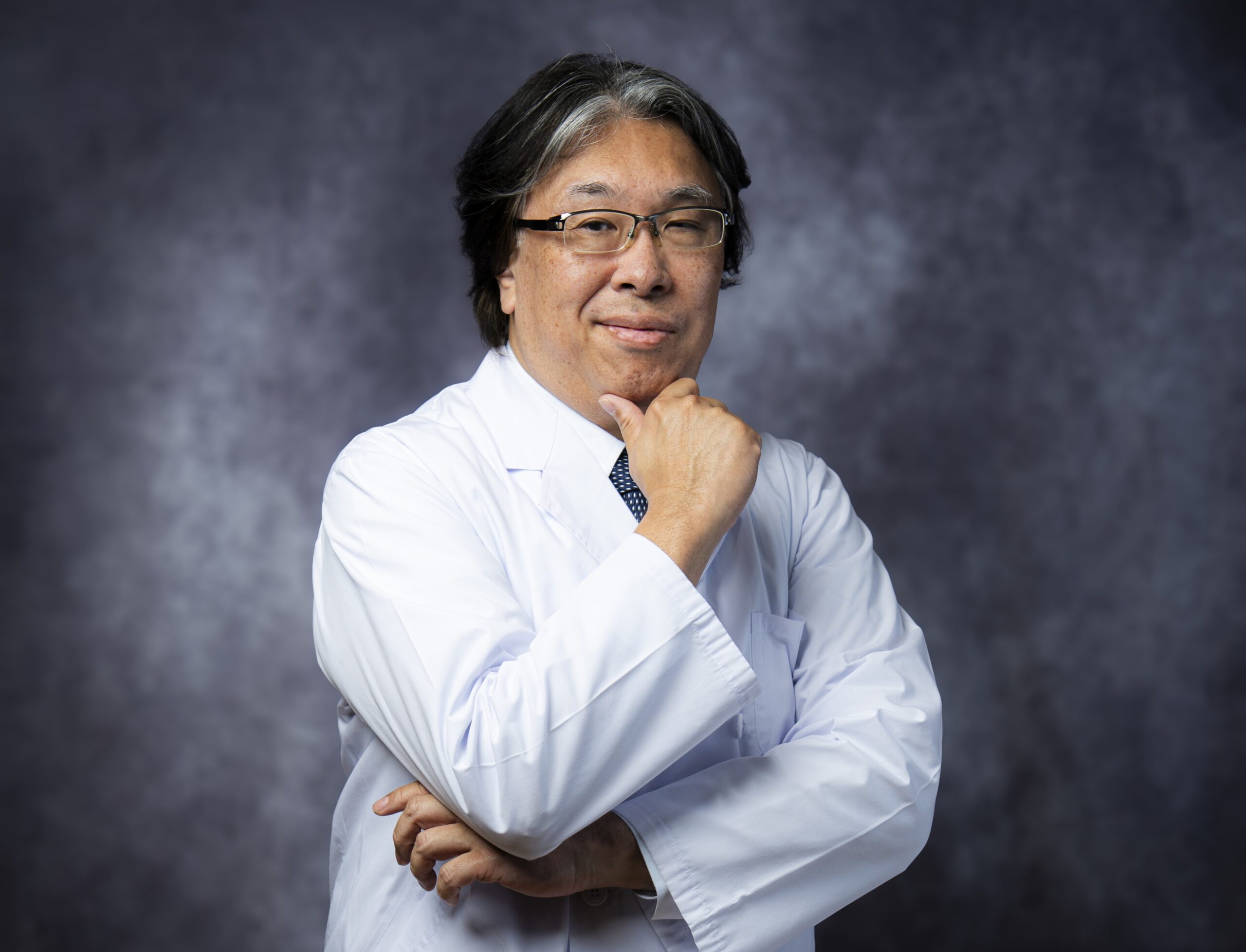
- Kazutaka Matsumoto
“Still waters run deep."
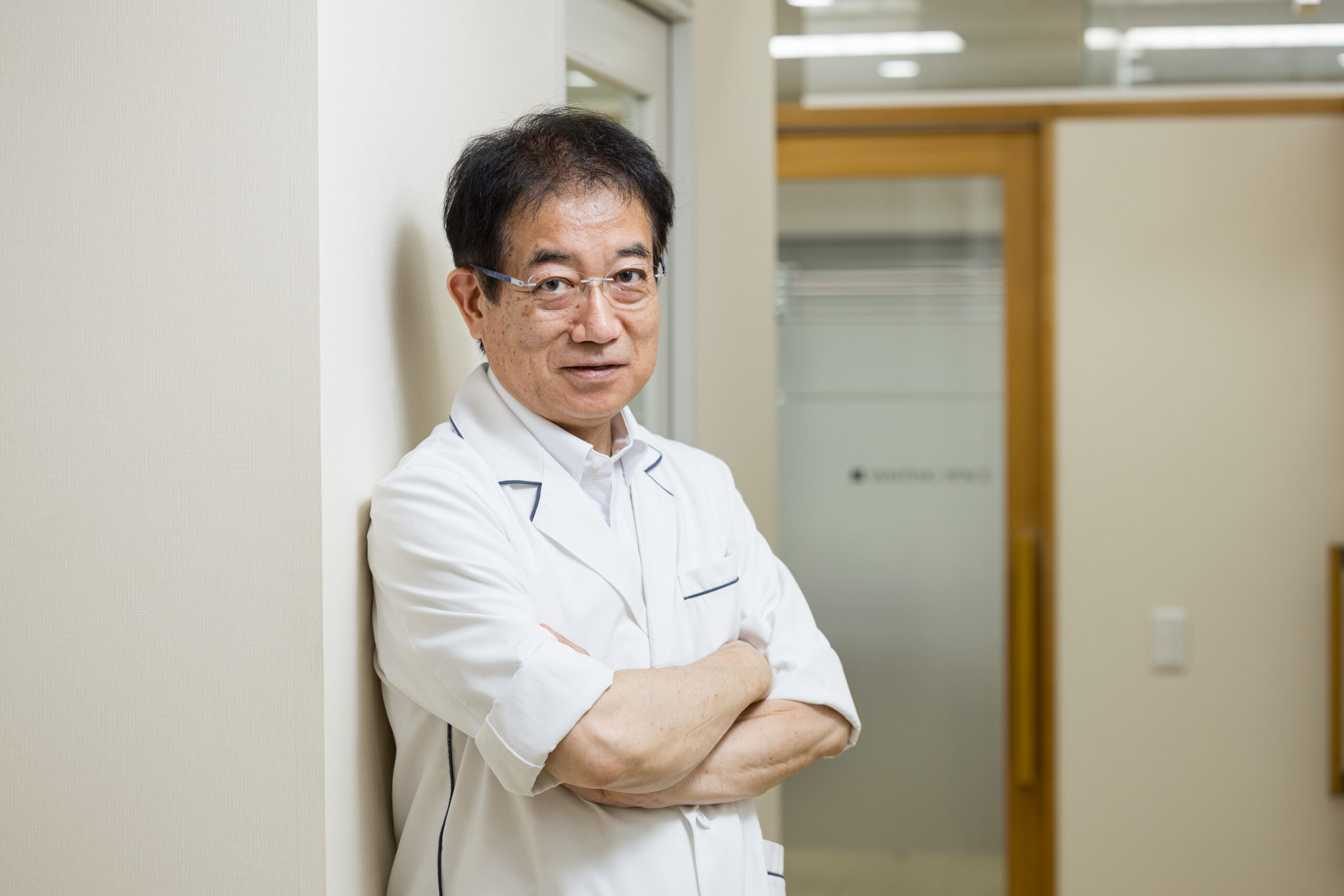
Kazutaka Matsumoto
Chairman
Matsumoto Clinic, Shotoku-kai Medical Corporation
Website:https://www.matumoto-clinic.jp
Board-certified diabetes specialist. On the front lines of community healthcare, he dedicates himself to patient care and mentoring the next generation—in pursuit of eradicating diabetes.
- TOP >
- FEATURE ARTICLES >
- Kazutaka Matsumoto
Looking ahead at a disease that keeps spreading
From the time I finished medical school and began working as a resident, I knew I wanted to be an internist. Part of the appeal, I think, was the sheer breadth of the field: internal medicine lets you treat a wide range of conditions. But that same breadth makes it hard to settle on a single specialty.
What caught my attention was diabetes and the other lifestyle-related diseases. Even then, the number of people with diabetes was climbing. Yet while most had heard of the disease, few really grasped how dangerous its complications can be or how to prevent them. A checkup might flag someone as high-risk, but in the early stages there are almost no symptoms, so it’s easy to shrug it off: “I’m probably fine.”
Given all that, there was no doubt in my mind that over the next ten or twenty years the number of patients would only grow. So I made up my mind. I would specialize in diabetes and become a doctor who could help patients for decades to come.
I spent many years in the Department of Diabetes and Endocrinology at Mie University Hospital, where I also devoted myself to teaching the next generation. Since opening my own private practice in 2016, I’ve worked to provide care deeply rooted in the local community. Today the clinic is equipped to handle a wide range of needs: lifestyle-related diseases such as diabetes, hypertension, and high cholesterol; endocrine disorders like thyroid disease; and everyday concerns from colds to hay fever.
Care that fits the patient, not just the prescription pad
Treating lifestyle-related disease involves all sorts of medications: drugs to lower blood sugar, drugs to lower blood pressure. When taken faithfully, they can help bring the numbers to healthier levels. But medication only manages the symptoms. It isn't a cure, and I've never believed otherwise.
As the name suggests, lifestyle-related diseases come from habits accumulated over the course of a lifetime. Some, like type 1 diabetes, are tied to genetics and the immune system, but most trace back to years of poor diet and too little exercise. Which means you don't have to rely on drugs alone. Change the daily habits, and the condition can improve.
That's why, with these diseases, I try to treat them with as little medication as possible.
We start with a full workup and a clear picture of the patient's daily routine. A registered dietitian provides nutritional guidance and a physical therapist prescribes exercise. Only when that isn't enough do we add drug therapy. The idea is to build on a foundation of lifestyle change, layering on treatment as it becomes necessary.
Some patients are skeptical. "Can something that simple really improve my diabetes?" But in practice, when people stick with the right diet and exercise, their numbers often improve without any medication at all. To me, that's proof of how much the basics matter in treating these diseases.
Of course, every patient wants something different. Some say, "Doctor, I'll leave it all to you." Others say, "I want to understand this myself, so explain it in detail." And some, knowing full well their habits are bad, tell me flatly, "Dieting and exercise are miserable, and I don't want to do either." Accepting those differences and finding the best approach for each person: that is my job as a specialist, and where the craft really shows.
A diagnosis doesn't have to shrink your life
Many people assume a diabetes diagnosis means never eating what you love again. I don't see it that way. Diet and exercise matter, of course, but that hardly means eating a restricted diet every single day of the year without exception.
Say you take a few days' trip with family or friends. You visit the famous sights and take a long soak in a hot spring. Naturally, you'll want to try the local specialties too. Denying yourself at a moment like that, thinking "No, I have to watch what I eat," only piles on stress.
Life is a long stretch of the ordinary, broken now and then by the extraordinary. On an out-of-the-ordinary occasion like a trip, it's fine to set the usual limits aside and enjoy yourself. When the trip ends and ordinary life resumes, you simply go back to your routine. A few special days are easily absorbed; blood sugar can be managed perfectly well over the span of a week or a month. What matters isn't rigidly obeying the rules. It's building a way of living that keeps the rules while staying sustainable for the long haul.
At the clinic, we run a diabetes class, and we do not simply drill the patients on everything they can't do. If anything, it's a place to show people how much they still can do, even with diabetes.
We'll cook dishes specially made for people with diabetes and have everyone taste them. Most come in assuming the food will be bland and forgettable, then take a bite and find it surprisingly good. "Wait, something this delicious is really okay?" I hear that all the time.
Life is full of pleasures: food, movies, travel, books, music. So many things make life richer. Even in the middle of a busy schedule, I make time to play guitar with friends, a hobby I've kept since I was young.
Diabetes is no reason to give any of that up. You can make peace with the illness and still enjoy a great deal. Rather than letting treatment take over your life, I try to help patients find ways to enjoy themselves. That is the perspective I bring to their care.
The work ahead: spreading the word, and childhood obesity
The number of patients keeps rising, but diabetes specialists are still hard to find. Nationwide there are only about 6,700 of us, and some areas have almost none. So alongside my daily practice, I put real effort into getting the word out through lectures, interviews, and every kind of media. If people understand the disease and catch the warning signs early, I'm convinced a great many patients can be saved.
This work is aimed at young doctors too. I want to convey what makes diabetes care rewarding and, in the process, draw more specialists into the field. With that in mind, for the past fifteen years or so I've taught medical students and residents at Mie University Hospital. There's no telling how many will go into the field, but it's work I intend to keep doing.
However, the rise in childhood obesity has also been on my mind these past few years.
Diabetes has a reputation as a middle-aged person's disease, but that's no longer true. Kids stop at a convenience store on the way home for candy and ice cream, then play video games indoors. They move less, and the number of overweight children is unmistakably growing. I also serve as the school physician for a middle school, and doing the annual checkups, I can feel how many more students now trend toward obesity.
When these children grow up, their odds of developing a lifestyle-related disease are high. That is exactly why I think it matters to start thinking about healthy habits in childhood.
For a long, healthy, and full life
While I have the chance, here is what I want to say to as many people as possible: if a checkup at work or through your local government flags something abnormal, please don't ignore it. These diseases have a genetic component, so if diabetes or high blood pressure runs in your family, that's all the more reason to act with urgency. Lifestyle-related diseases rarely announce themselves, so finding an abnormality on a test is, in a way, a stroke of luck. Let it be a sign to take stock of your life and make a change for the better.
By the time symptoms appear, the disease has usually advanced a long way. That is what makes these conditions so dangerous. Notice the signs early, and once you do, act quickly. That, I believe, is what it takes to live a long and healthy life. For the sake of enjoying your own life to the fullest, that's the one thing I hope you'll never forget.