- TOP >
- FEATURE ARTICLES >
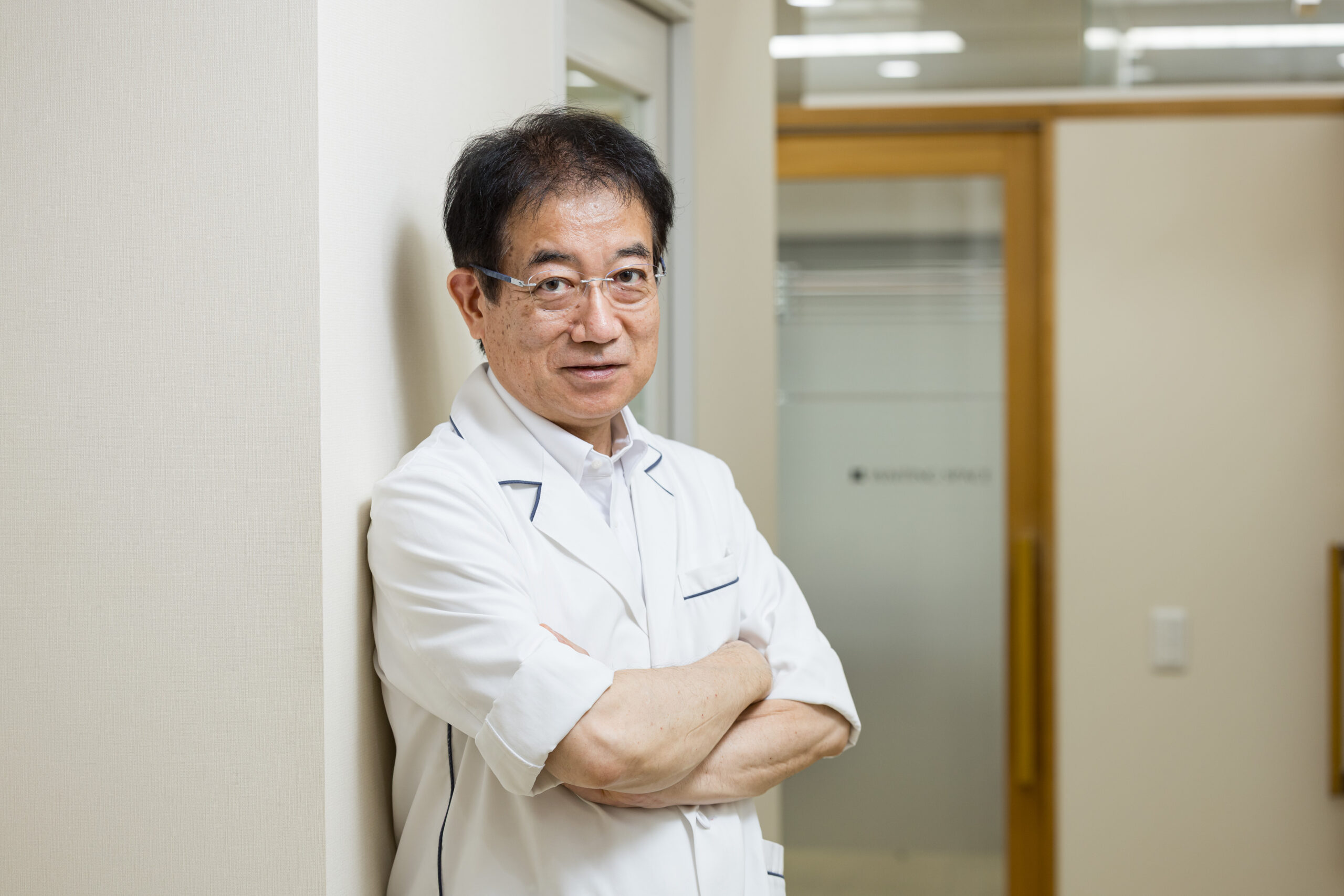
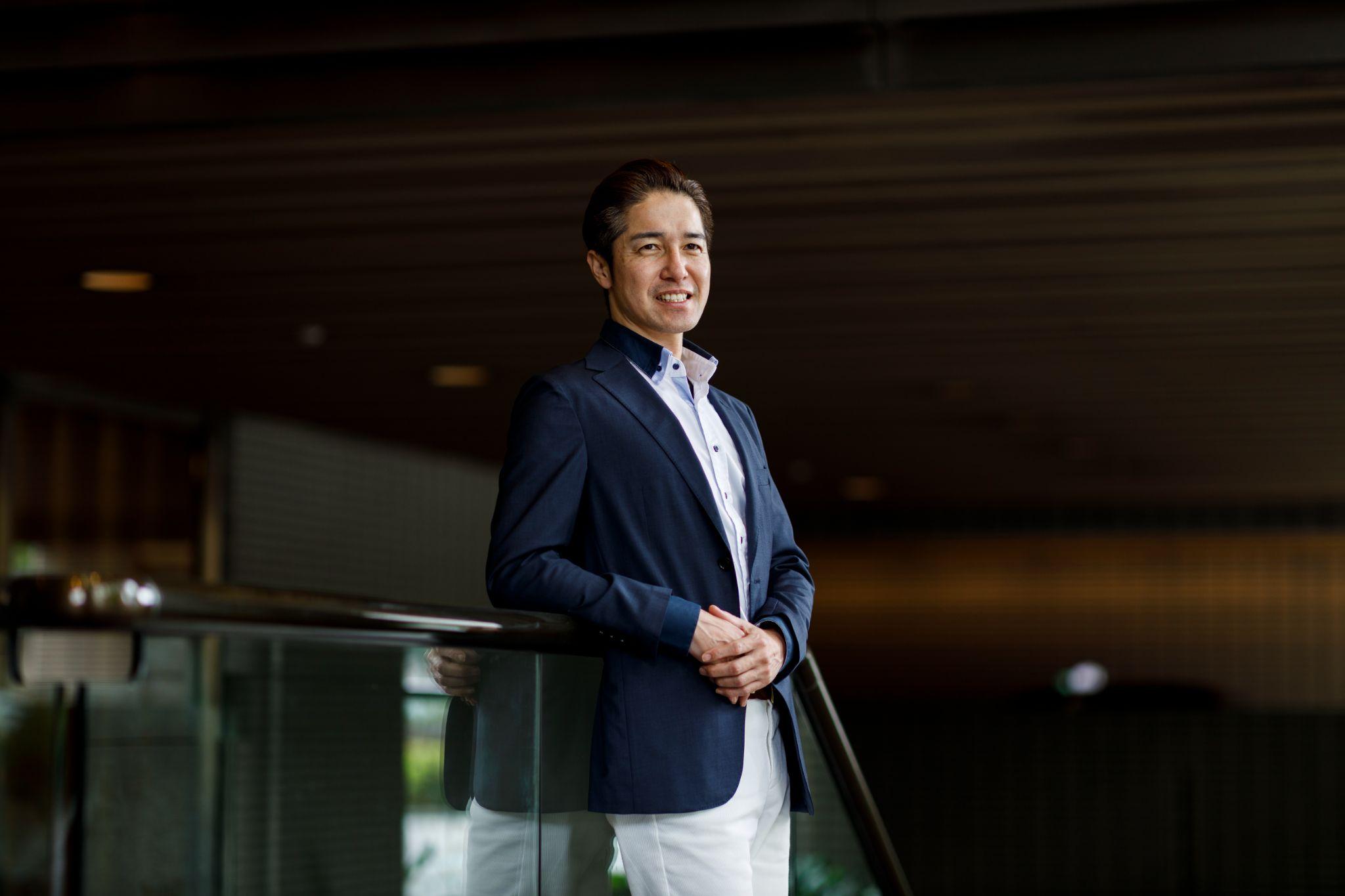
- Yuji Kawano
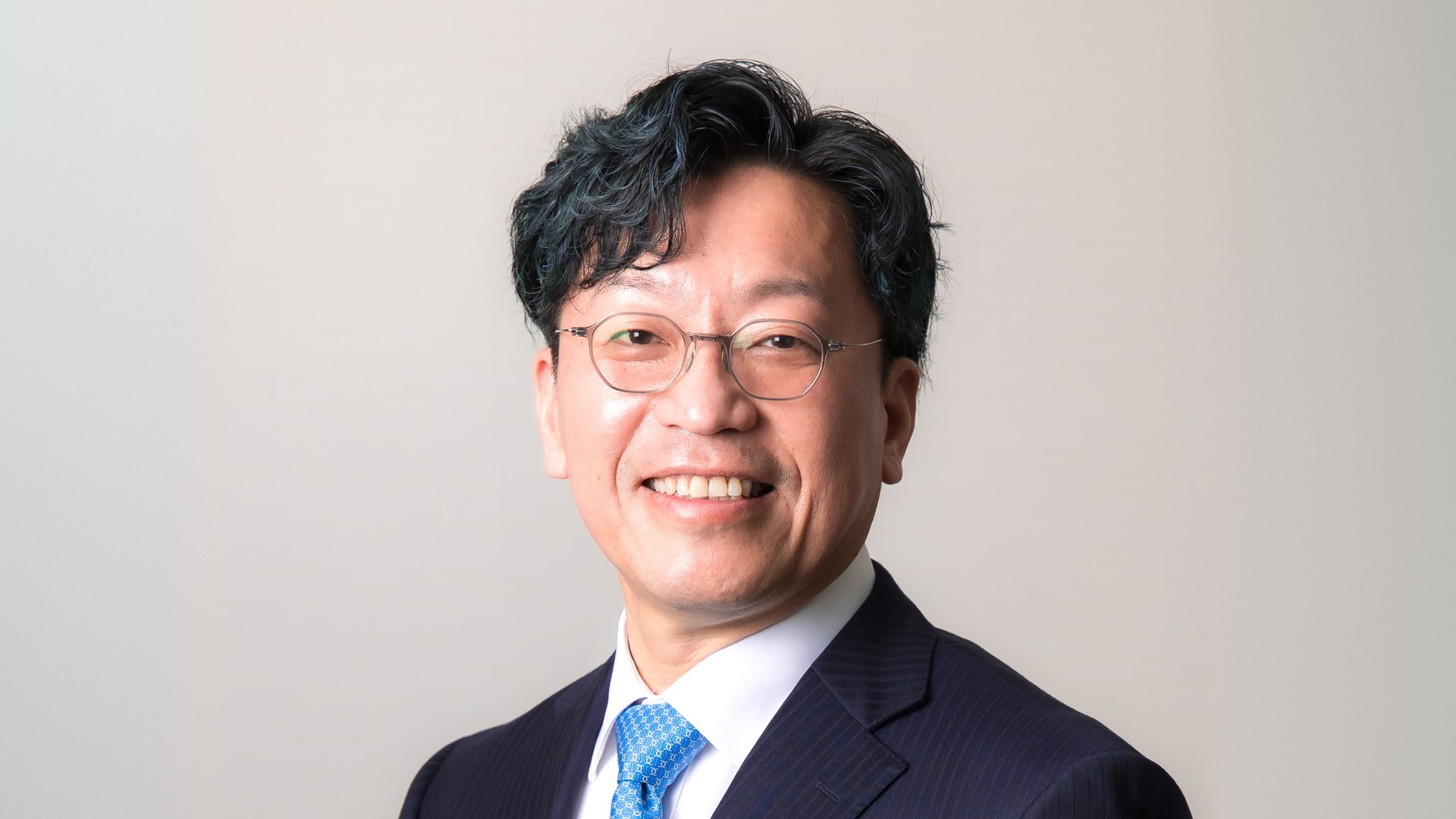
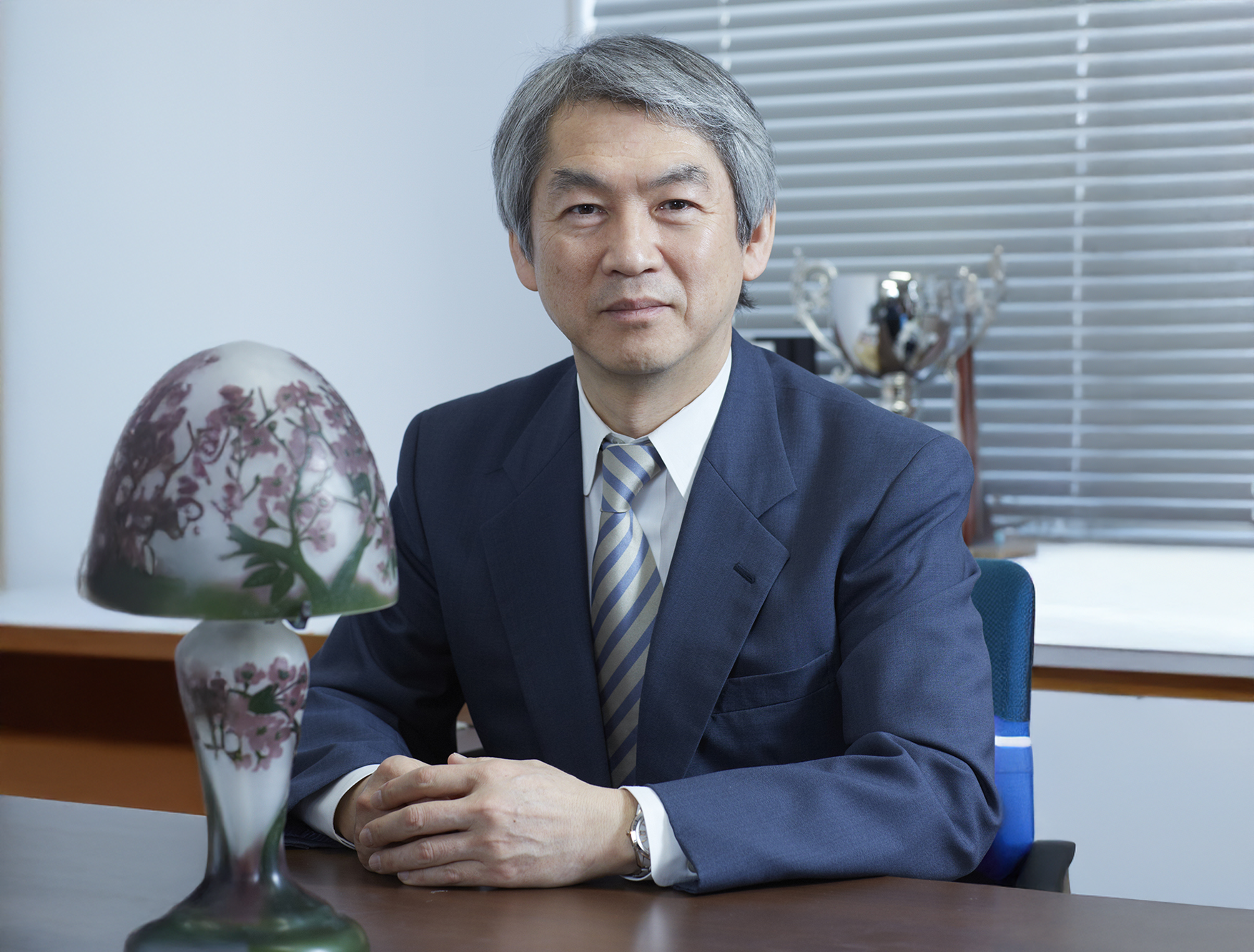
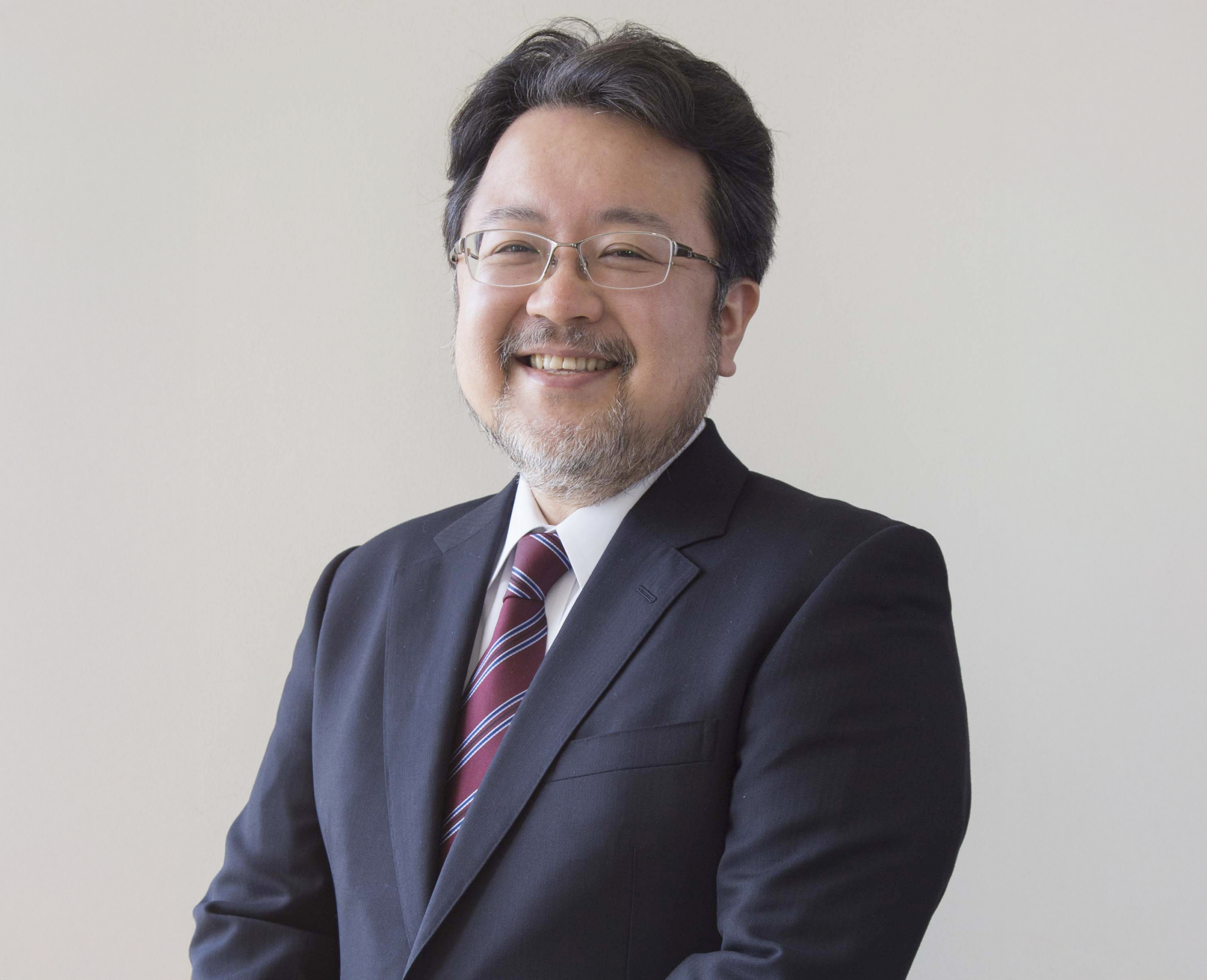
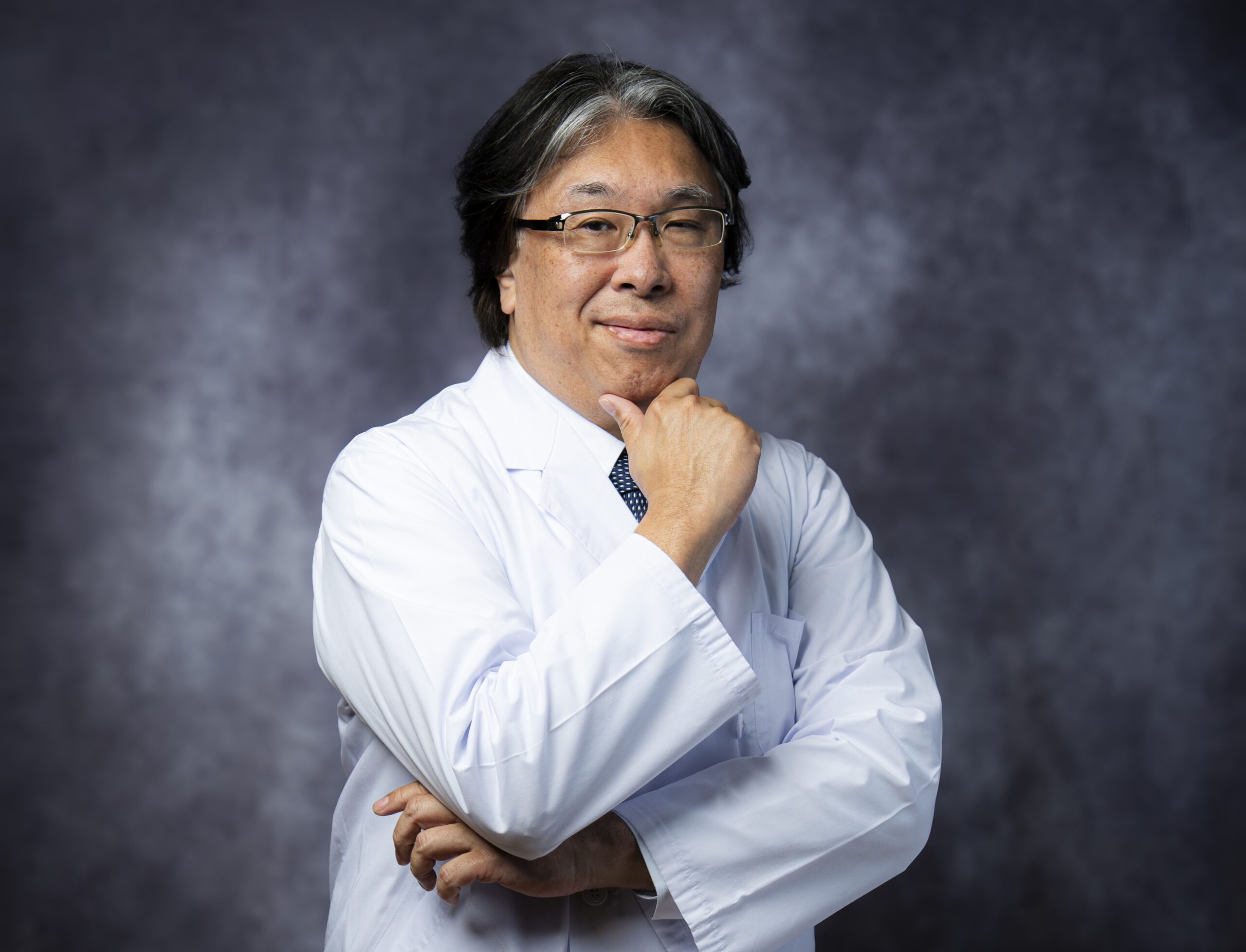
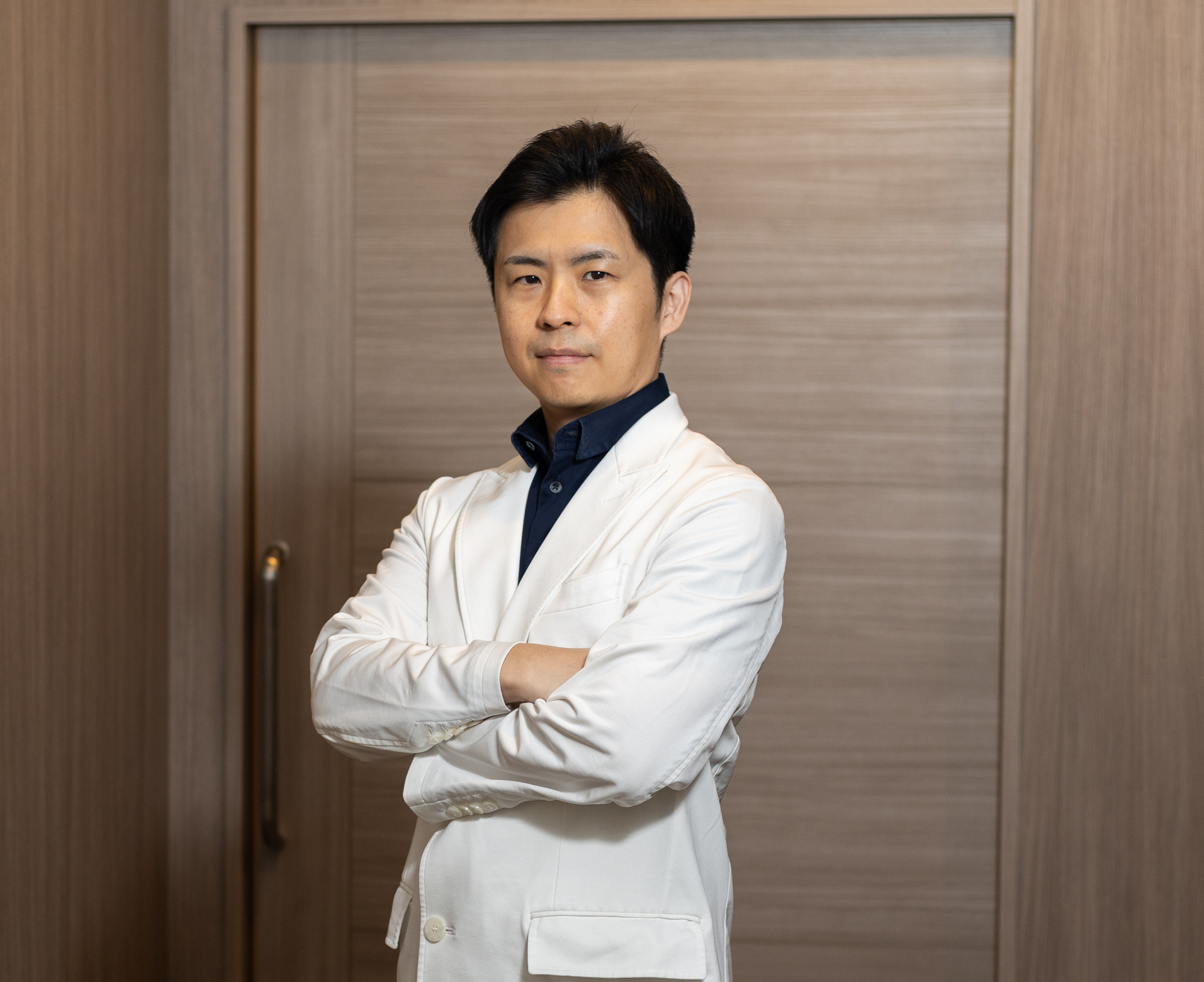
"Precision builds trust."
Yuji Kawano
Chairman
Seimitsu Shinbi-kai Dental Group
Website:https://seimitsushinbi.jp/
Performs microscope-assisted precision dental treatment, delivering root-cause care designed to prevent recurrence. Patients travel nationwide in search of his attention-to-detail.
- TOP >
- FEATURE ARTICLES >
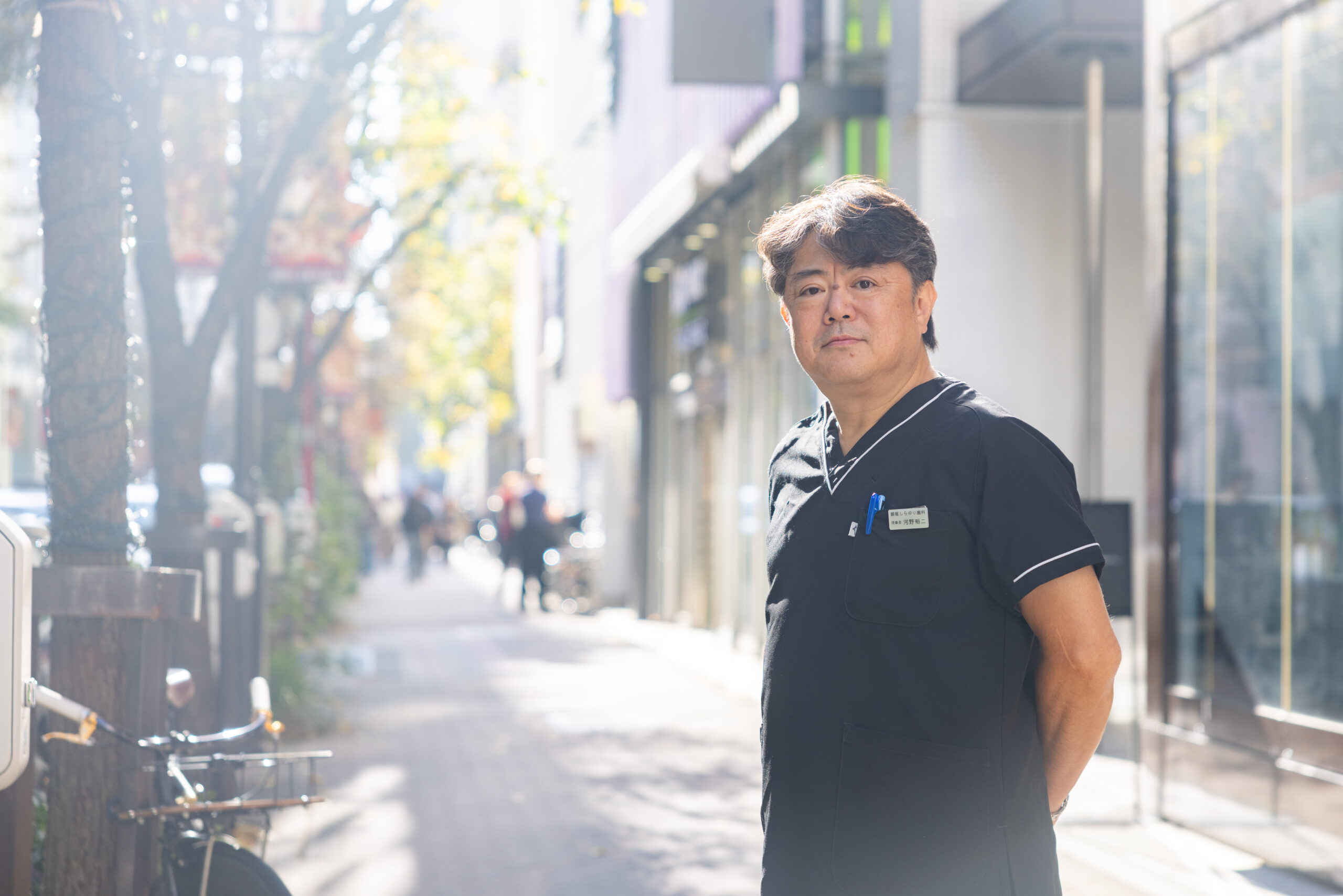
- Yuji Kawano
Dreaming of Becoming a Surgeon
There was a classic drama that aired in 1978, The Great White Tower (Shiroi Kyotō). Set in a hospital, it portrayed the light and dark sides of medicine and made a strong impression on audiences at the time. As a high school student, I felt a deep admiration for the protagonist, a surgeon played by Jiro Tamiya. My mother was a nurse, so I had been drawn to medicine from an early age and I set my heart on becoming a doctor.
I was determined to attend a national university medical school in Japan. However, after failing the entrance exams twice, I spent two years as a rōnin, a student studying to retake the entrance exams.
Though I had dreamed of wielding a scalpel as a surgeon, I swallowed my disappointment and instead, I enrolled into dental school. While still considering medical school, something occurred to me. The process of surgery was not limited to surgeons, dentistry had its own field of oral surgery. That realization reignited my ambition.
The Ideal Environment I Found in America
Japan's national health insurance is based on a point system. Each medical procedure is assigned a set number of points, which determines the payment. The system rewards the procedure itself rather than the result, skill, effort, and the time spent.
Over time, this mindset that valued quantity over quality spread throughout dentistry, and poor-quality treatment became increasingly common. This reality felt wrong to me. At the time, a close friend of mine was pursuing a career in politics, and through that connection, I considered trying to change healthcare from the political side by becoming a government medical officer. However, I became disillusioned with a political world heavily influenced by institutional and academic factions and eventually left Kyushu for Tokyo.
What truly embodied my vision was the practice of American dentistry. After working as a dentist in Tokyo, I travelled to the United States for further training. There, I attended study groups and seminars in medicine and dentistry. Every venue filled with enthusiasm, and I eagerly learnt the newest practices. What struck me most was that the seminars, including hands-on clinical work, were typically held in first-rate hotels. The contrast of dentistry in Japan and the United States was surprising to me.
A Microscope and a Website That Changed Everything
When I returned to Japan in 2000, at the age of thirty-three, I opened the Roppongi Kawano Dental Clinic. I had little capital and no connections, all I had was determination. I still remember walking the streets and handing out flyers to attract new patients. The rise of the Internet was the turning point. Fascinated by this new technology, I started building a website for the clinic. This was still the early days of the Internet, when people connected through landlines. I taught myself how to create the website and used it to express my thoughts about dentistry. Soon after, responses came in from all over the country.
The people who contacted me were unfulfilled with dentistry in Japan. They were looking for better standards of treatment. Patients came from across the country, from Kyushu to Hokkaido, and I felt that a new era had begun.
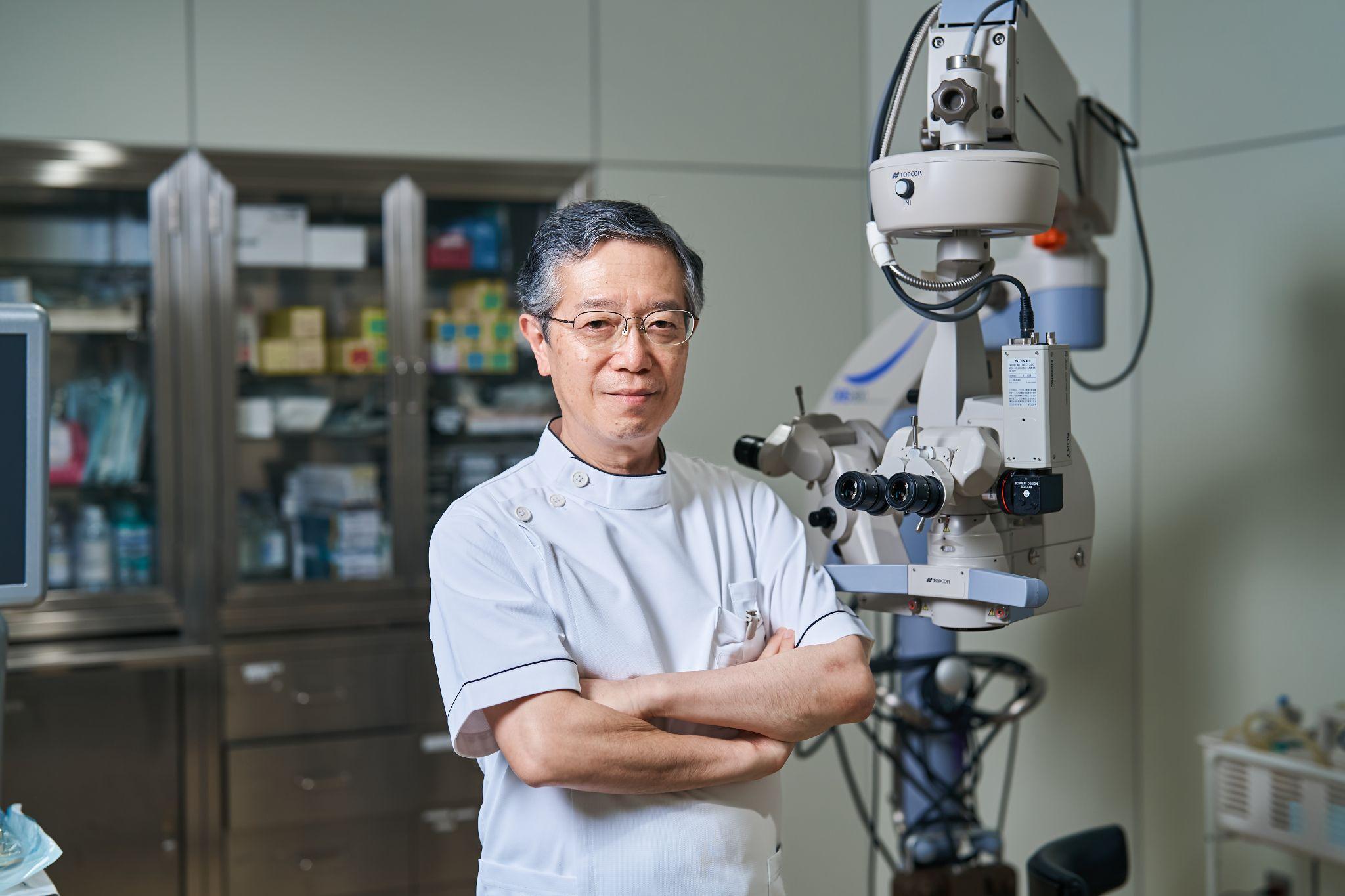
The surgeon, played by Jiro Tamiya, operated without a scope. At the time, treating a patient without one was unthinkable. Using a microscope to examine the treatment site in detail was the foundation of dentistry that I had practiced. Around thirty years ago, a dentist whom I regarded as my mentor held a study group using a scope. At the time, dental scopes did not exist in Japan, so he had modified an ENT scope himself. The images it revealed opened my eyes and this was a large revelation for me.
A microscope reveals everything at thirty or fifty times magnification. Even the smallest marks left by a dental drill on the surface of a tooth stand out. Some surfaces are smooth, and others appear uneven, like sashimi sliced with a dull knife. Under this level of magnification, the differences of a dentist’s skill are revealed.
Pushing the Limits of Dentistry
The surface of a tooth should be beautiful. Even after treatment, it should retain the same natural beauty it had before, because preserving this beauty also contributes to long-term dental health. One of the major factors that erodes dental health is an environment where grime can easily accumulate. The spaces between the teeth are not the only areas that matter, but also where the treated area and the tooth intersect. If that area is smooth, grime and bacteria have no room to build up. In other words, the way teeth are shaped during treatment has a direct impact on their long-term health.
Beautiful, meticulous work leads to better dental health. This conviction sits at the core of precision dentistry, but it is also an area that cannot be accommodated within the framework of Japan's national health insurance system. Under the reimbursement system, some disparity in skill and dedication may be unavoidable. But if a cavity returns after a few years, can we call that successful treatment?
Precise Craftmanship for Long-term Dental Health
At my clinic, we do everything we can to prevent problems from recurring after treatment. Our goal is to provide care that maintains healthy teeth for ten to twenty years. If you ask whether there's a secret behind this, the answer is no. There is no special treatment or magic solution. It comes down to examining the treatment site as precisely as possible, keeping detailed records, communicating with each patient, and carrying out each procedure with attention to detail. Ultimately, the consistent repetition of these principles makes a difference.
Fortunately, dentistry is a medical art and a healing science. It resembles an artisan's craft as each treatment provides an opportunity to improve and develop technique. This is the only way for an artisan to sharpen their hand. Precision has been one of the most important approaches at my practice. That is why I've kept it in mind every day, valued it, and continued to refine my technique.
Precision dentistry for beautiful teeth
"What makes a tooth beautiful?" If you practice dentistry long enough, this question comes up. As someone who works in precision dentistry, my answer is simple: a tooth with a proper bite. This does not only refer to the alignment of the teeth but also the way the upper and lower teeth fit together: the occlusion. In dentistry, this is called Class I occlusion, a bite in which the front-to-back relationship of the teeth sits where it should. Teeth in this position support proper function and looks beautiful. When bite and alignment are in order, brushing gets easier, and you get a mouth where plaque and the bacteria that cause cavities and gum disease, struggle to adhere and take hold.
At my clinic, we sometimes decline requests for partial treatment. By only adjusting and straightening the shape of the front teeth, this could result in harming overall dental health. In my view, precision dentistry works best when it balances outward beauty and underlying health.
True health lies in the whole picture
Specialization has become common in Japan and has also worked its way into dentistry. In this century there are now dentists who specialize by field: cavities, gum disease, orthodontics, and implants. But I believe that a dentist should understand everything in the oral environment and can treat all of it. There is nothing wrong with having a specialty. Even so, the knowledge and skill to understand the whole picture of the patient’s condition is something every dentist ought to have. The mouth forms a unique, self-contained environment. Say there's a single cavity: is the cause in the tooth, in the gums, or in the bite? A dentist who cannot make that call cannot provide treatment that addresses fundamental issues.
With that in mind, my clinic prioritizes training young dentists. Our approach differs to a typical Japanese dental practice and many dentists find our approach unfamiliar at first. That is exactly why we place such a strong emphasis on training young dentists from the ground up and helping them develop the knowledge and skills needed to provide patients with the best care.
One tooth, a healthier life
Looking back, I have always been driven by the question: how can I provide better care for my patients? My dissatisfaction with the system and the years I spent studying abroad was a path towards finding that answer. Precision dentistry is not only concerned with the treatment of a single tooth but also the patient’s long-term dental health. Passing this approach and values to the next generation is one of the most important responsibilities that I have now.