- TOP >
- FEATURE ARTICLES >
- Tatsuhiro Yoshida
“People are your castle, people are your walls, people are your moat; kindness is your ally, enmity your foe."
—Takeda Shingen
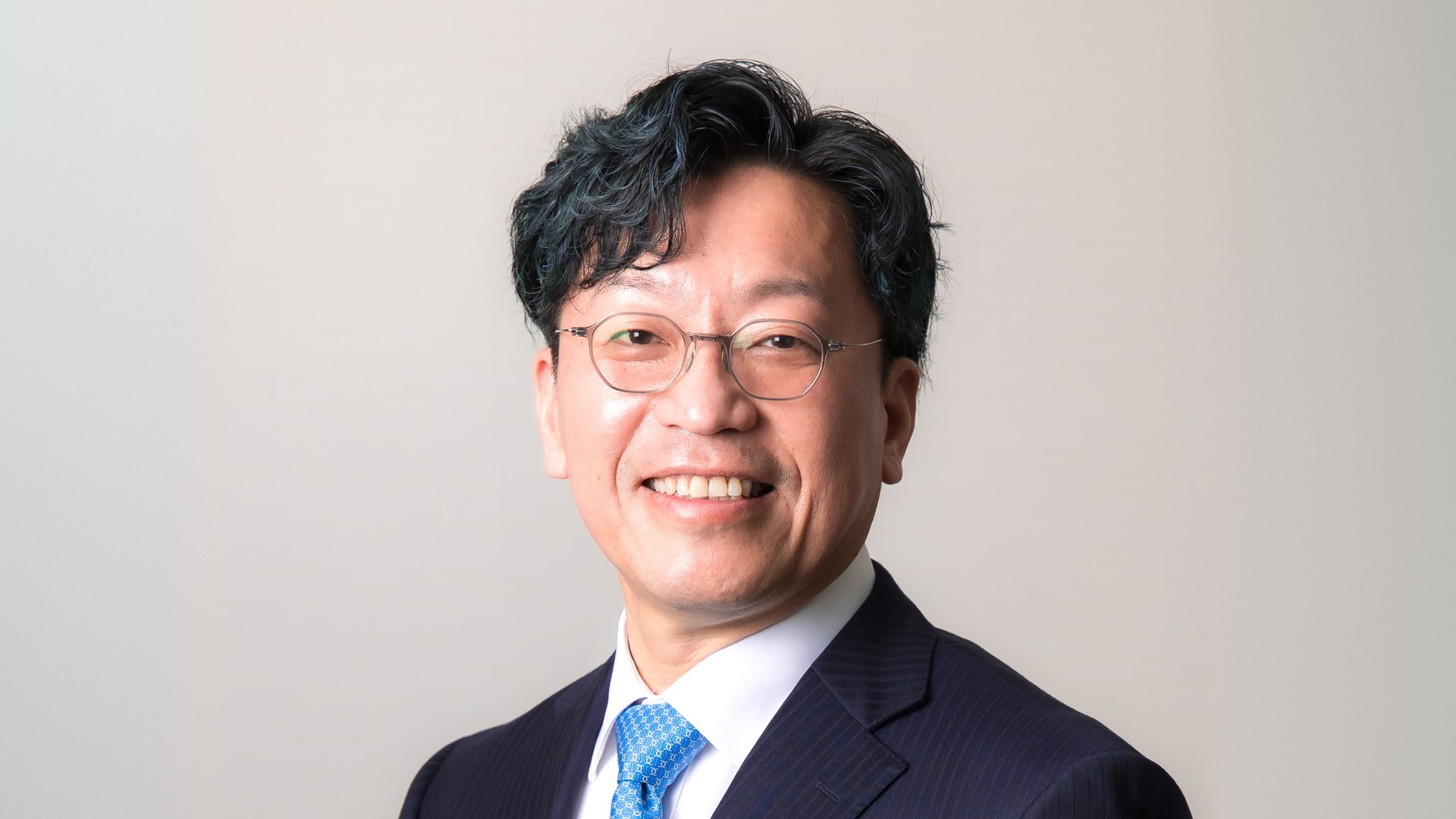
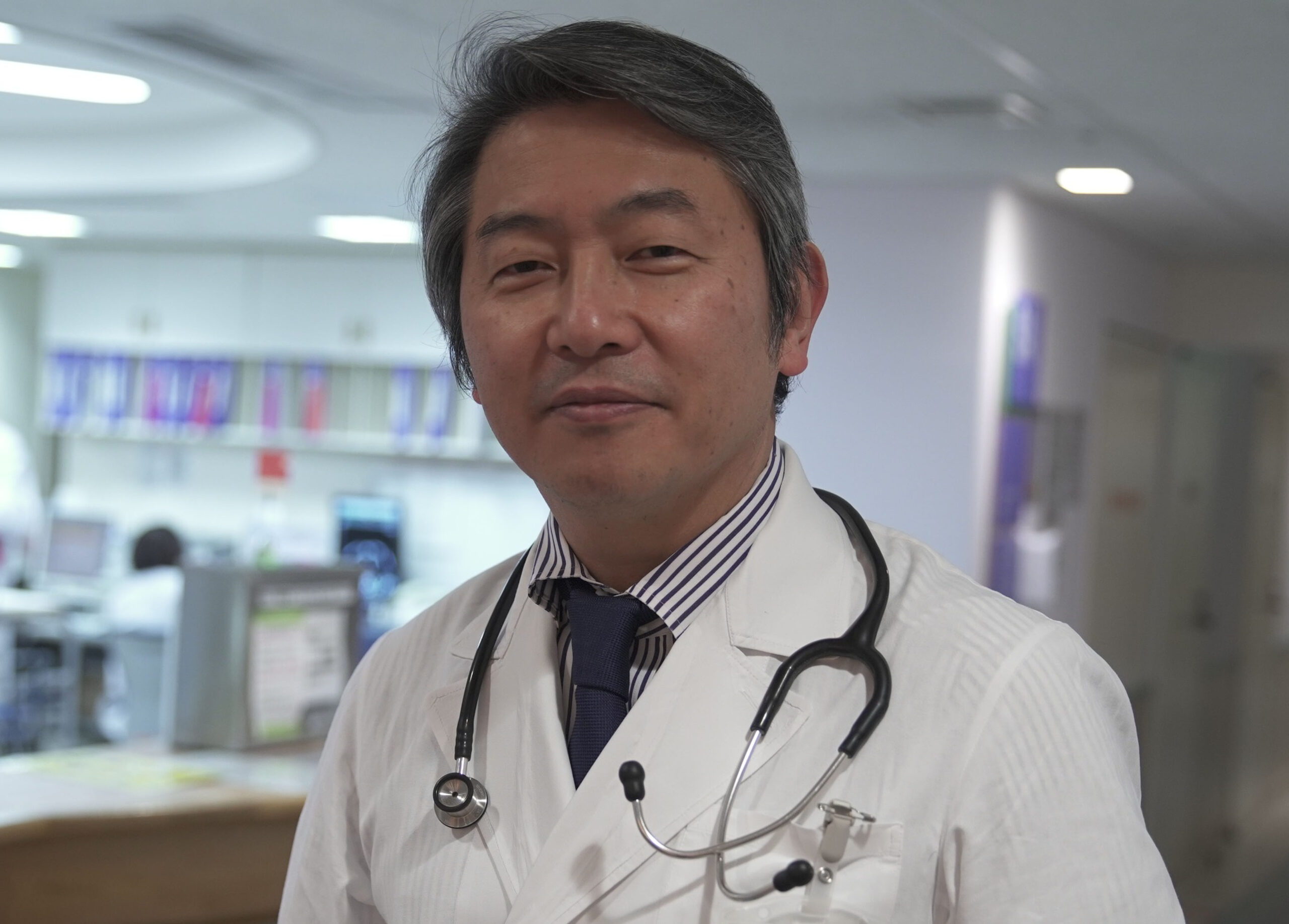
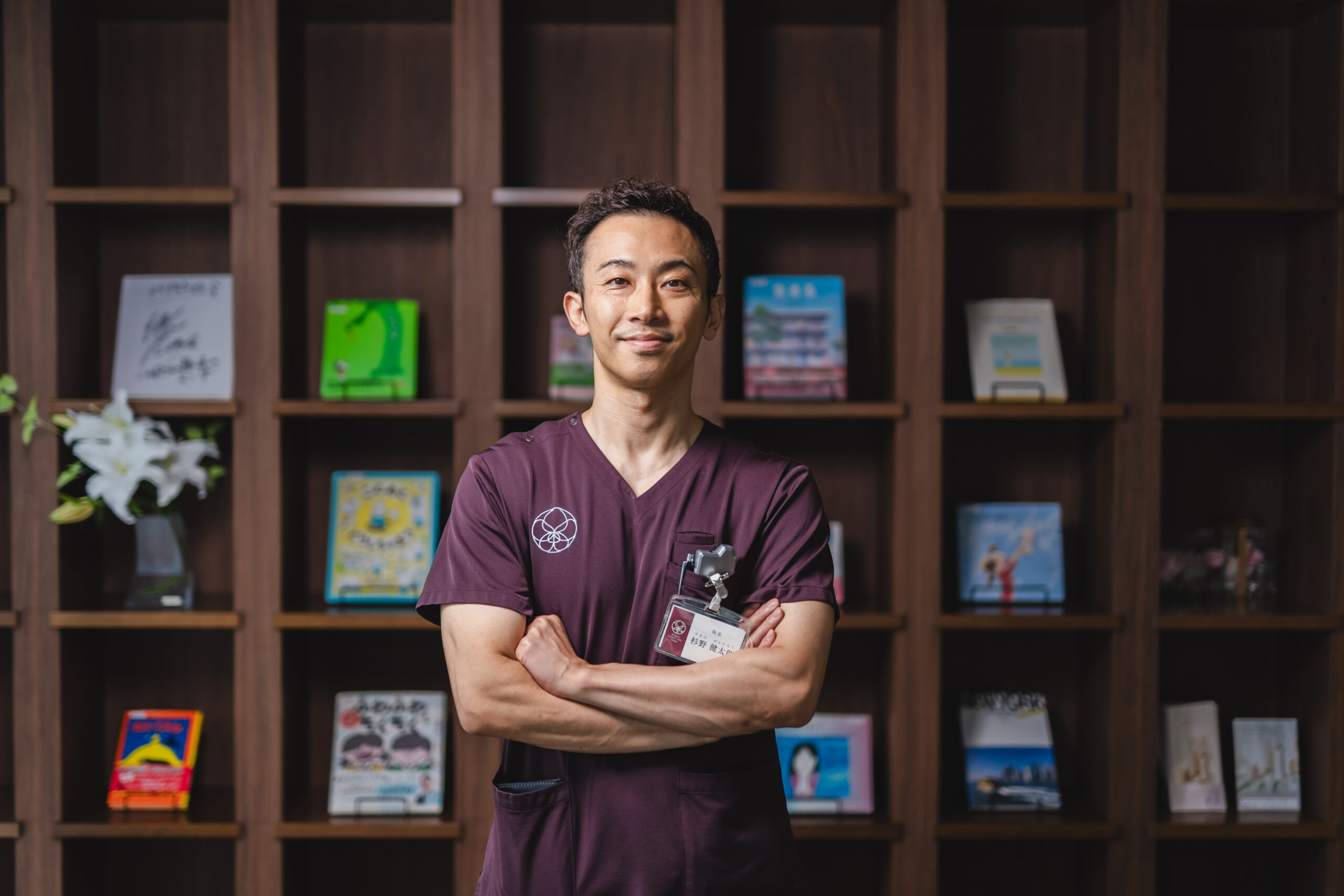
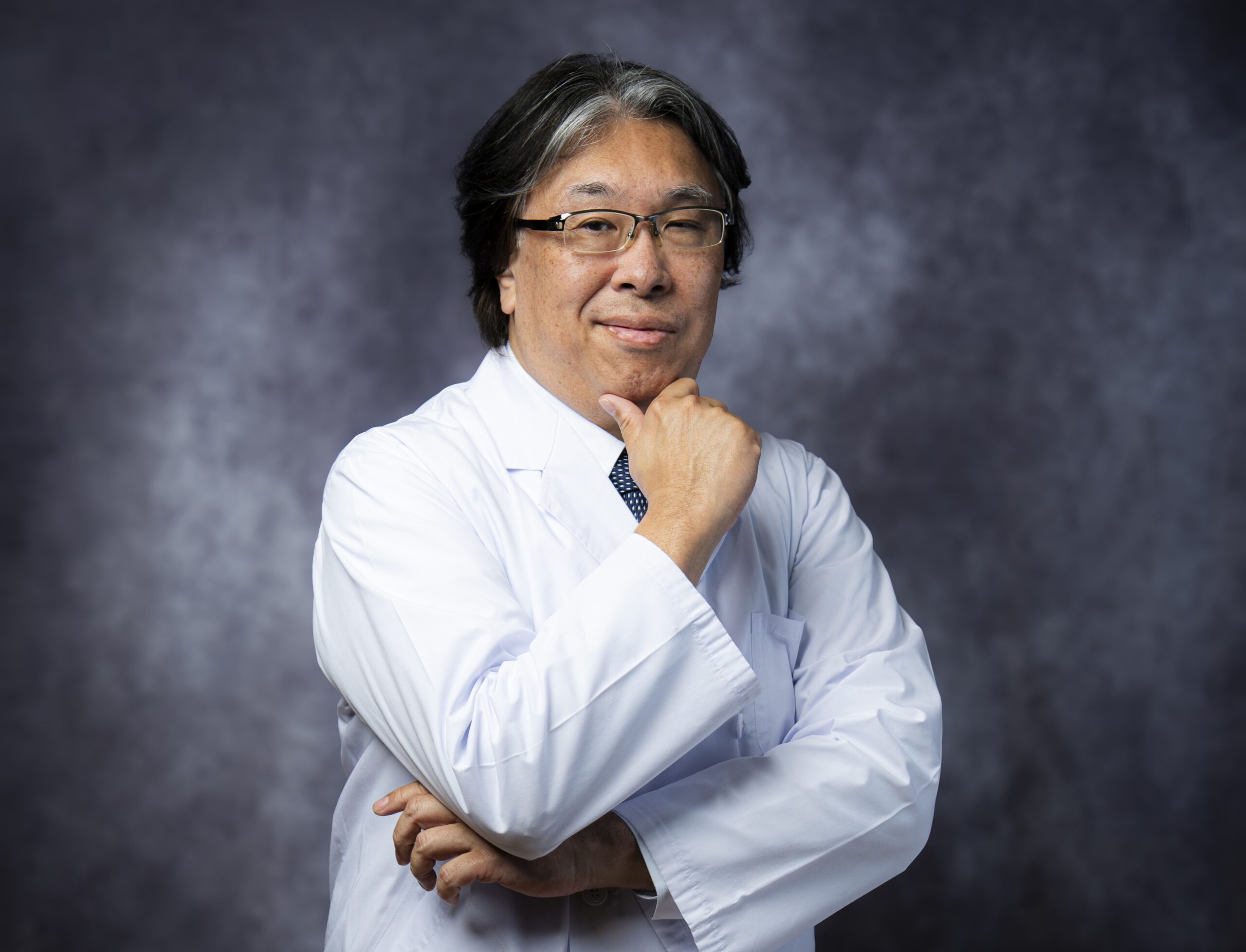
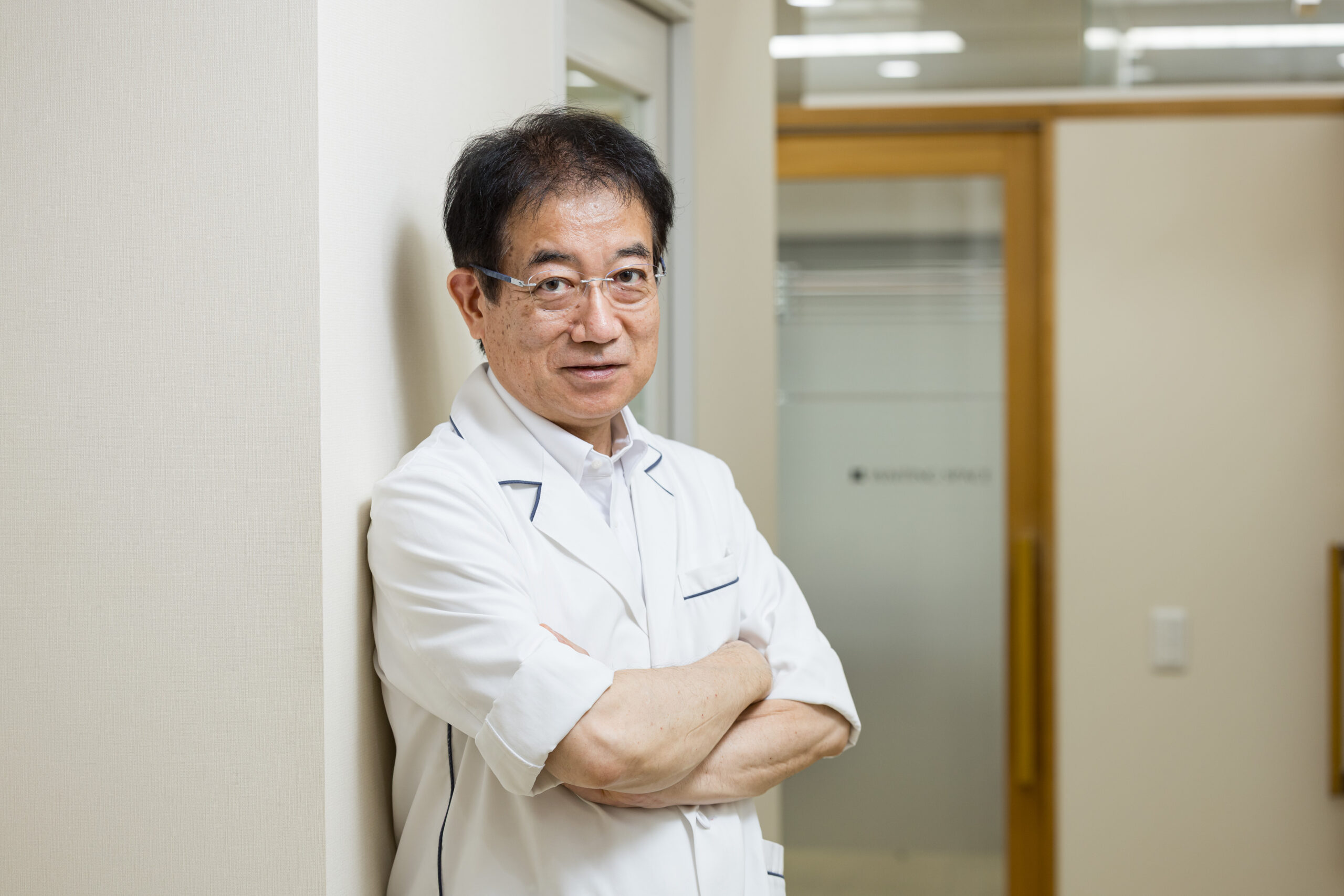
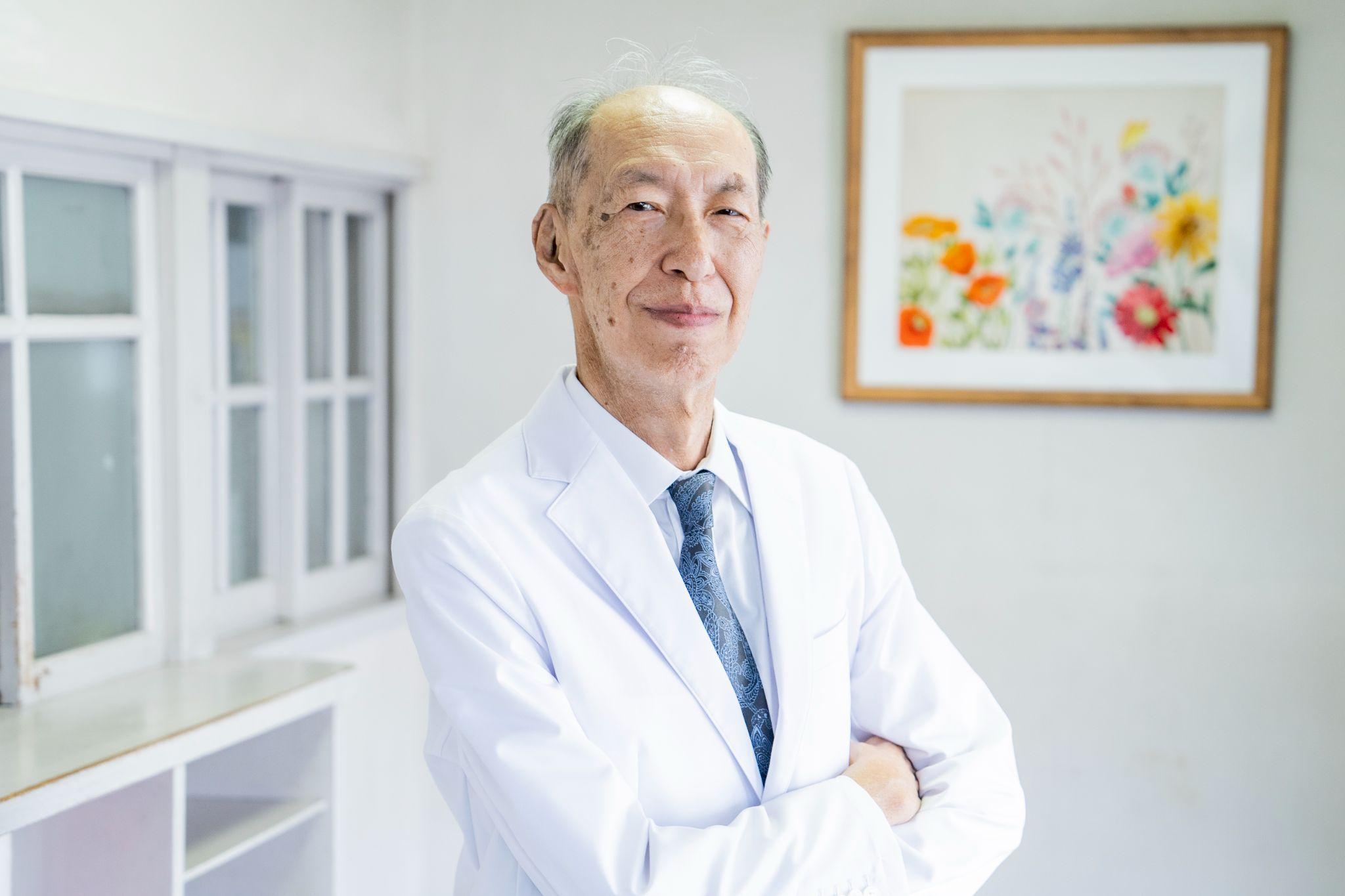
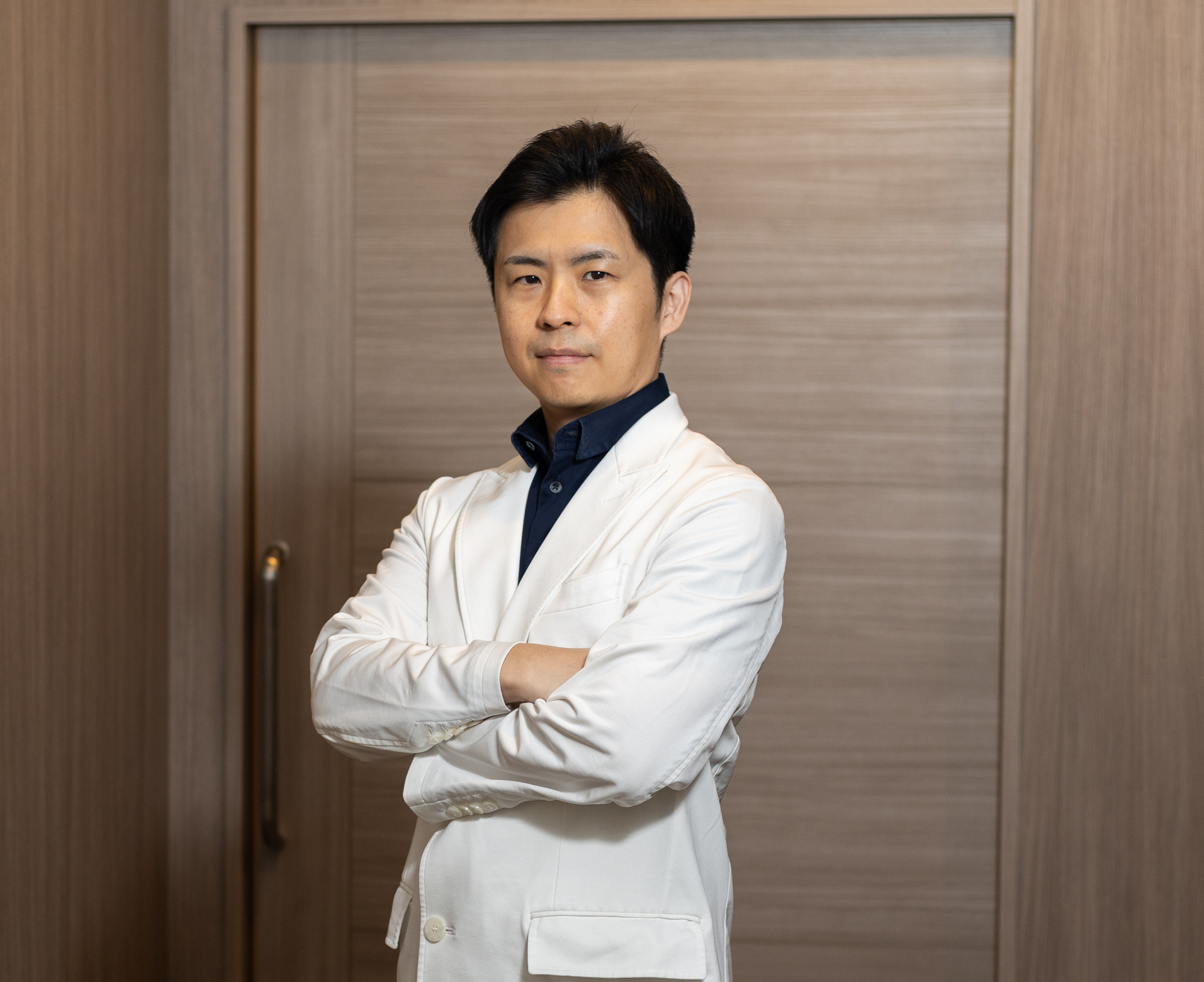
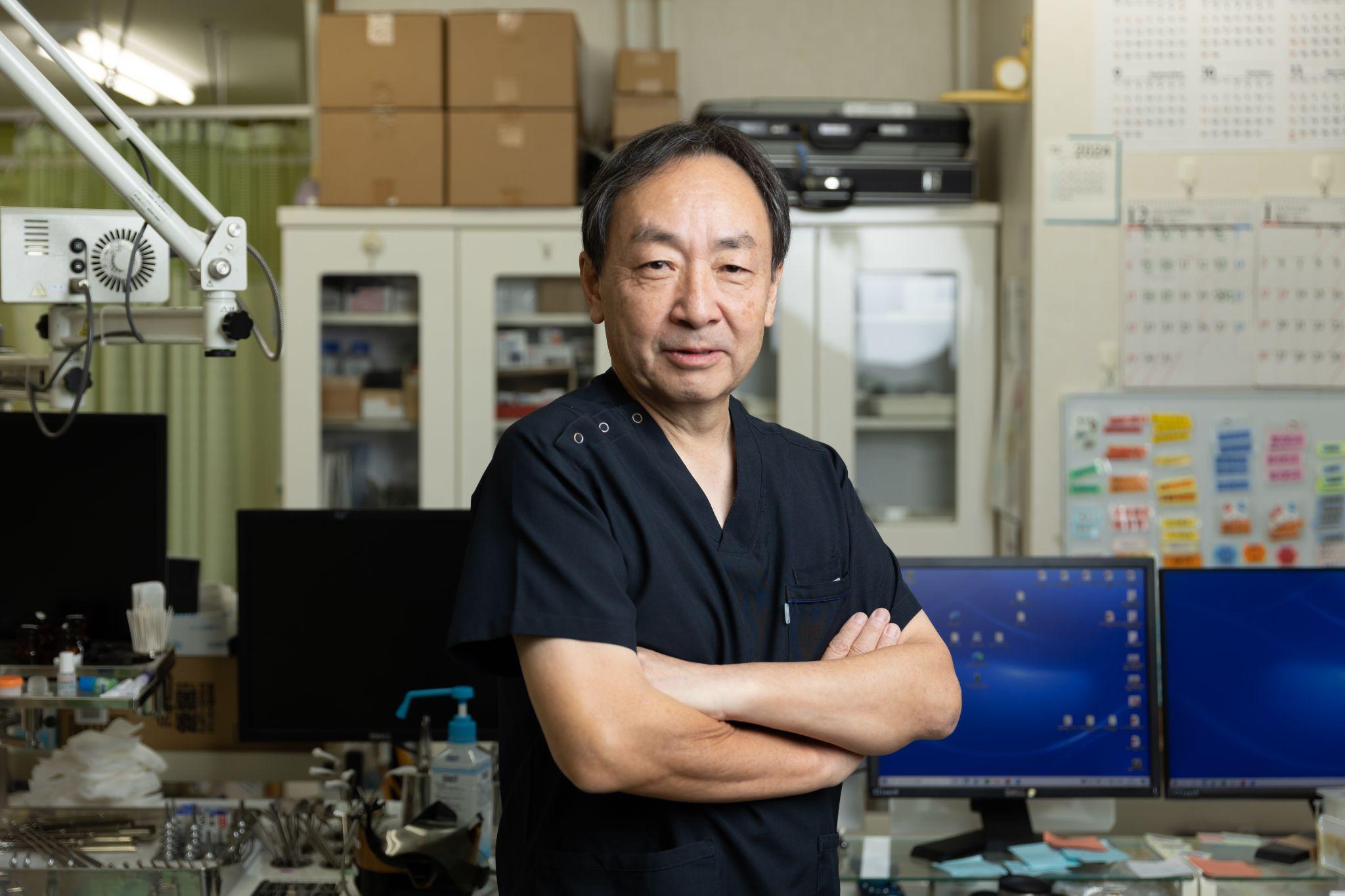
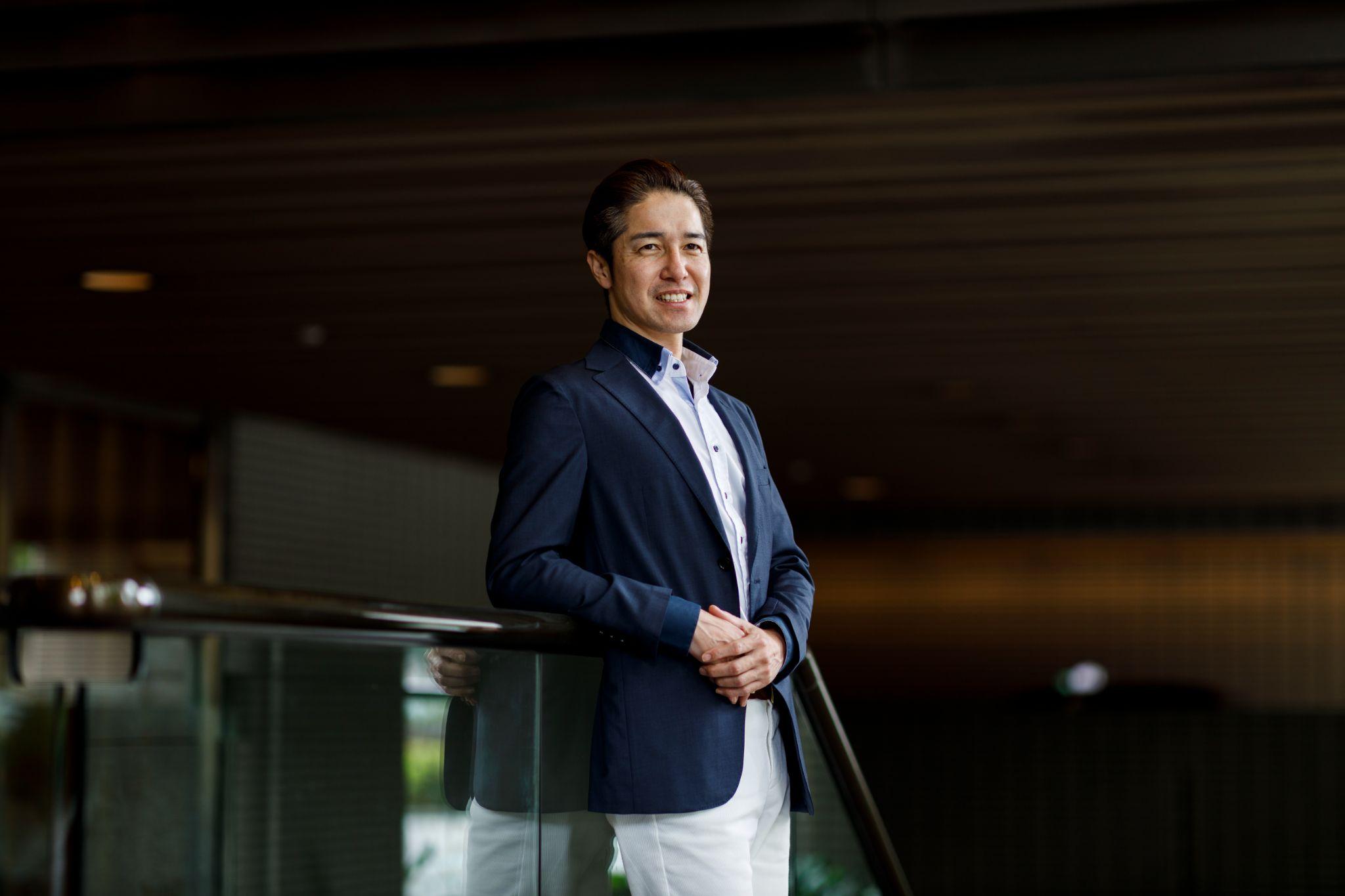
Tatsuhiro Yoshida
Director
Uchio Orthopedic Clinic
Orthopedic surgeon performing around 300 spinal surgeries a year. A pillar of community healthcare at a clinic that sees 400 patients daily.
- TOP >
- FEATURE ARTICLES >
- Tatsuhiro Yoshida
From orthopedic surgeon to spine specialist to private practice
Since graduating from medical school, I have worked almost entirely as a surgeon, and within orthopedics I have practiced ever since as a spine and spinal cord specialist.
I think I chose orthopedics because it is, in a sense, a gentler specialty. Surgery covers a very wide range: general surgery, and fields devoted to particular diseases or organs, like gastrointestinal and thoracic surgery. Neurosurgery and cardiac surgery often deal directly with whether a patient lives or dies, and they strike me as enormously rewarding fields to work in.
But I was drawn to orthopedics, where you can relieve a patient’s pain and hardship and help them live more comfortably, with a more hopeful outlook. “Doctor, I’ll come back if it flares up again.” “No need to come back. Just take care so it doesn’t.” Trading that kind of easy banter as you send a recovered patient on their way. That was the work I wanted to do.
Early in my career I worked in the orthopedics department at Kurume University, where the chair was a well-known spine and spinal cord specialist. As a result, the most difficult cases showed up there. Long hospital stays are rare in a university orthopedics department, but some patients, whose surgeries had gone poorly, stayed close to a year. Through those experiences I came naturally to appreciate the importance of the spine and spinal cord, and I built up my knowledge and my skills. After that I worked at several hospitals before circumstances led me to take over this clinic.
A doctor's job is to walk with the patient to their goal
Our job as doctors is to heal patients' injuries and illnesses. But I have gradually come to see how important it is not to fixate on the affected area alone, and instead to treat patients with an understanding of their way of life and their values. This is especially true in orthopedics, where a patient’s treatment goal differs from one person to the next.
Providing care that fits what they are after is our duty.
For someone who says, "I just want to do something about this back pain," relieving the pain comes first. For someone who says, "I want to get back to work soon," I need to understand the nature and the demands of their job and work out how to make those movements possible again. For a patient who says, "The back pain is hard, but I refuse to use a wheelchair; I want to walk on my own two feet," I have to look not only at the back but at the knees and muscle strength as well.
Even patients who arrive with the same symptoms hold different values and are aiming for different goals. Understanding that, and supporting patients so they reach their goal safely, is what we doctors and staff are truly here to do.
I have felt the importance of treating the whole person throughout my long career as an orthopedic surgeon. As a local family doctor, I consider it indispensable, and I bring it into my practice every day.
Care the patient understands and accepts
Our clinic focuses on treating spinal conditions, with 19 inpatient beds and the capacity for surgery under general anesthesia. We do refer patients elsewhere at times, but keeping surgery available as an option matters to us, and there is also the wish to see a course of treatment through with my own hands.
Another one of our strengths is that we have day care and senior housing on the same grounds. The system puts a structural wall between medical care and nursing care, but we try to coordinate across it as well as we can, catching residents of the care facility who are in pain or discomfort early and giving them the medical attention they need. Most patients have trouble in several places at once: the lower back, the knees, the shoulders. So we set the treatment goal I mentioned earlier and build a concrete plan around what care will serve them best.
Some patients want surgery right away; others want to avoid it as much as possible. And even within surgery there are various approaches, from working with an endoscope to fusing the spine, each with its own advantages and drawbacks. I make a point of helping patients understand those differences clearly, and only then offering my best recommendation. It comes down to providing care the patient can accept and understand.
From unease to fear, and finally to relief
Patients who come to the clinic feel anxious, to one degree or another. They don't know what is causing their pain or discomfort, and they don't know what lies ahead. It is a vague, formless unease. But once an examination reveals the cause and the way to treat it becomes clear, the path to recovery comes into view, and that formless unease lifts.
Now, though, a new fear takes root: a fear of the treatment itself. Will there be surgery? Will I end up more limited than before, or need a long stretch of bed rest? Will it hurt? What are the risks? How long until I recover?
These concrete fears well up.
By explaining the root of each fear, one by one, and clearing it away, the patient can at last feel reassured and at ease. From unease, to fear, to relief. This progression is my creed in daily practice and an essential step toward recovery. When I share this thinking with the nurses, therapists, and other staff and weave it into every point of contact with patients, the quality of the care we provide rises across the board.
Challenges pile up, but progress comes one step at a time
The problems facing medicine today are many, and every one of them is hard. Staffing shortages and the question of insurance reimbursement rates confront many institutions, but because they involve social conditions and government policy, they are not easily solved. Even so, within these limits I want to secure the staff we need and keep building up the physical side as well, the facilities and the equipment. A more functional environment works in favor not only of patients but of those of us who provide the care.
Then there is teaching those who come after. During my years as a hospital surgeon, as a spine and spinal cord specialist, I performed roughly 2,000 operations. Even now I do about 300 a year. I want to pass the knowledge those cases gave me on to younger doctors.
That said, neither time nor budget is limitless. Demanding sweeping change all at once is simply unrealistic. Working in the gaps between daily appointments, moving forward little by little, is what counts.