- TOP >
- FEATURE ARTICLES >
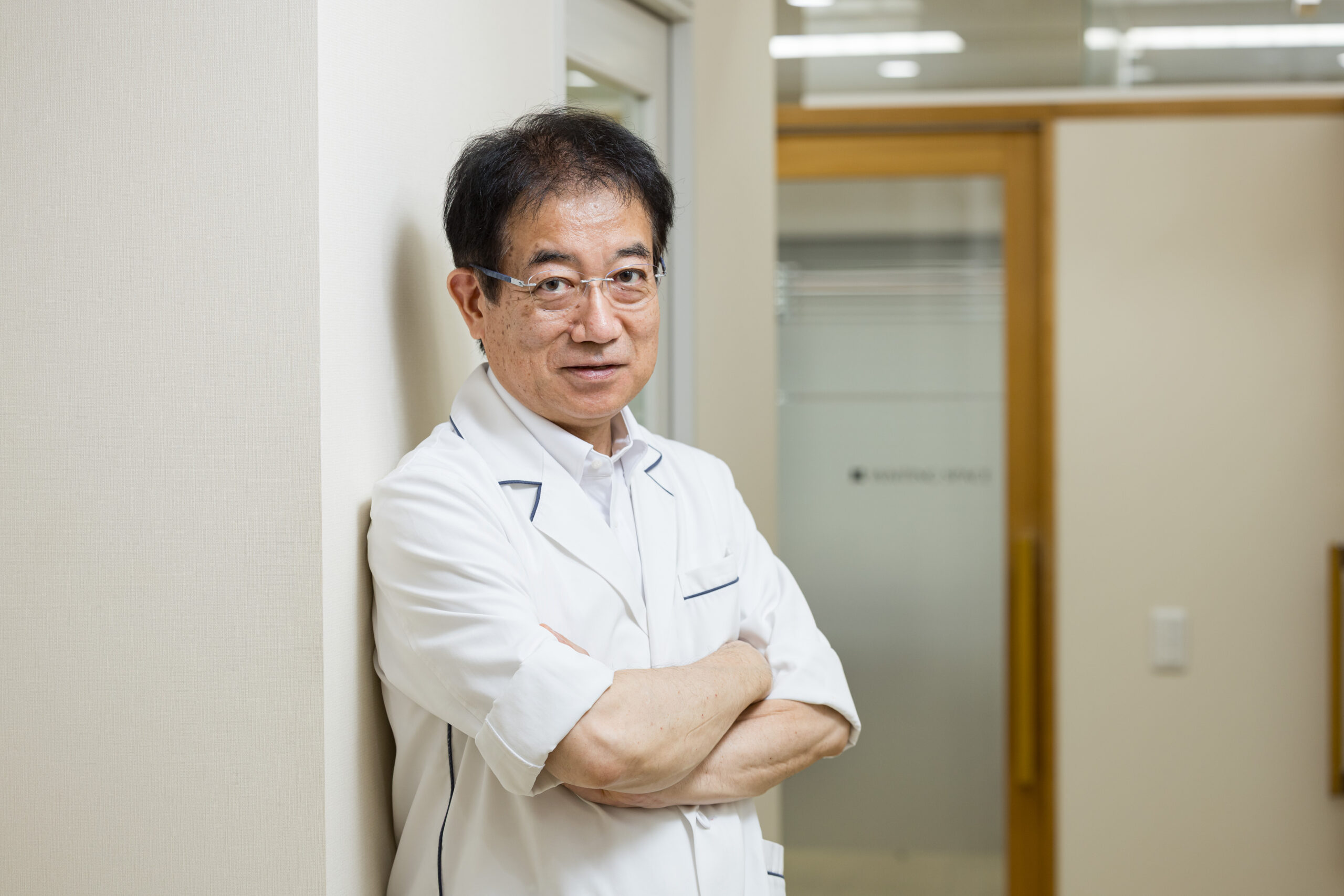
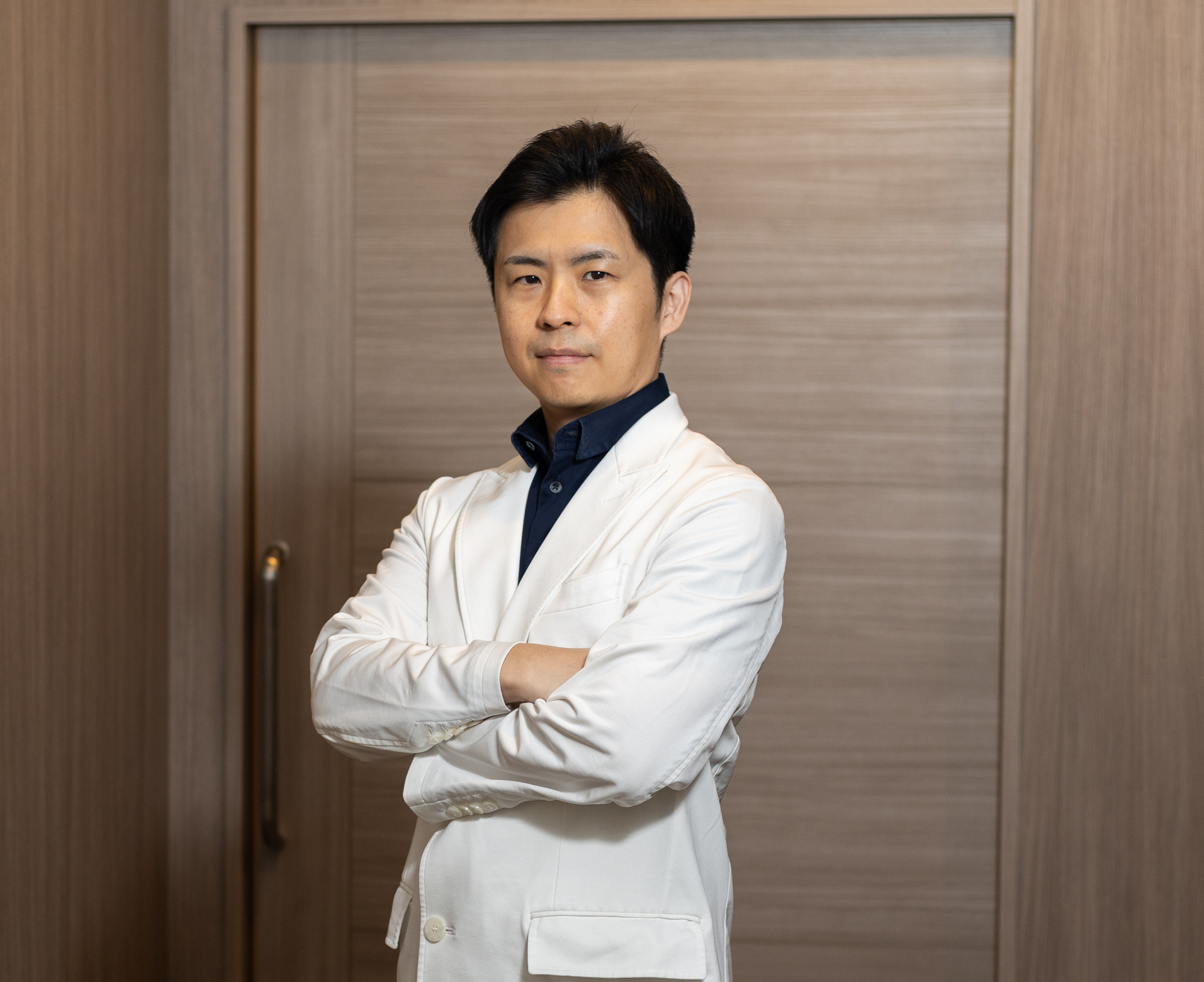
- Takumi Nakano
”Let life unfold. Every stumble can lead to a new opportunity.”
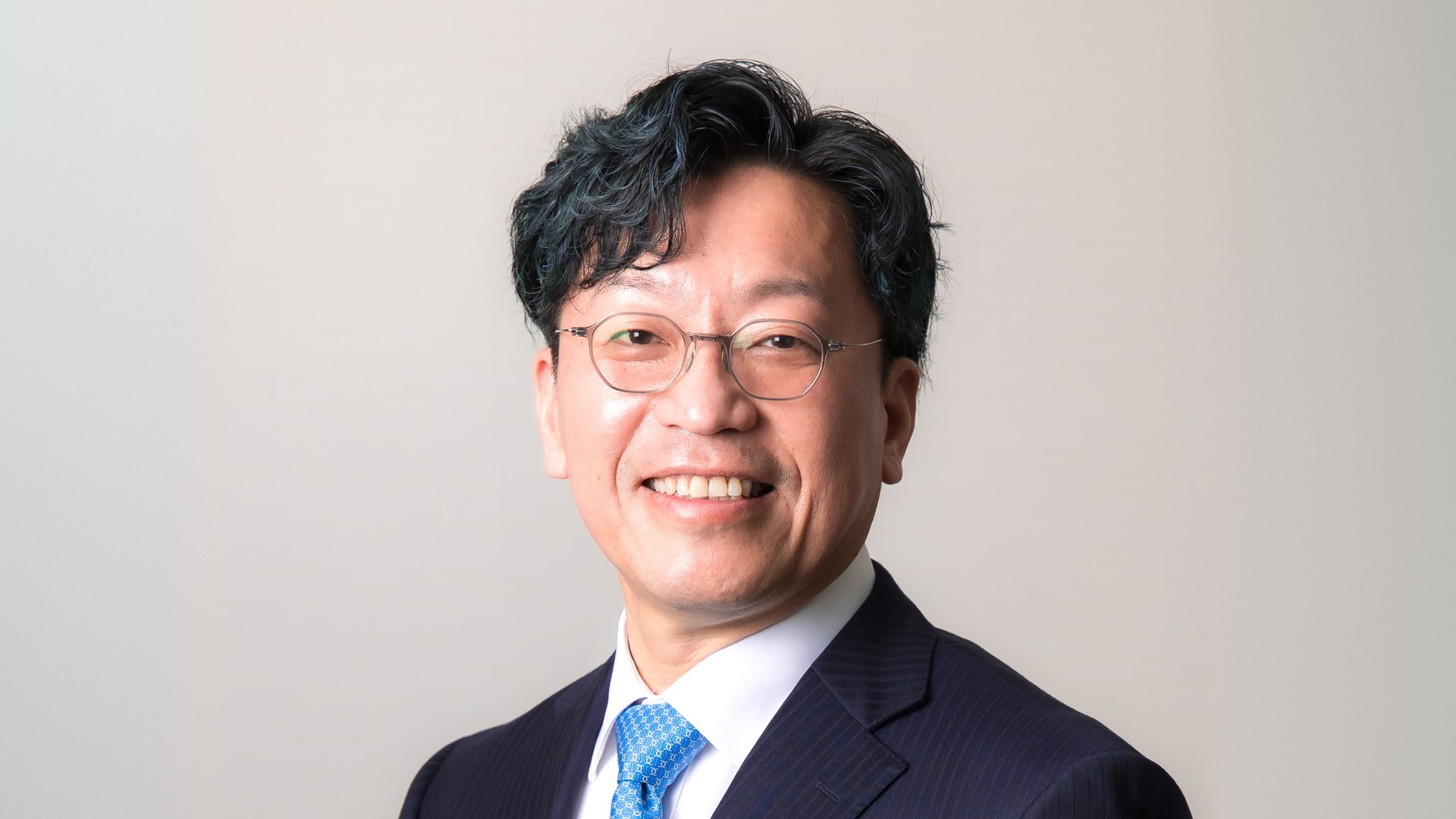
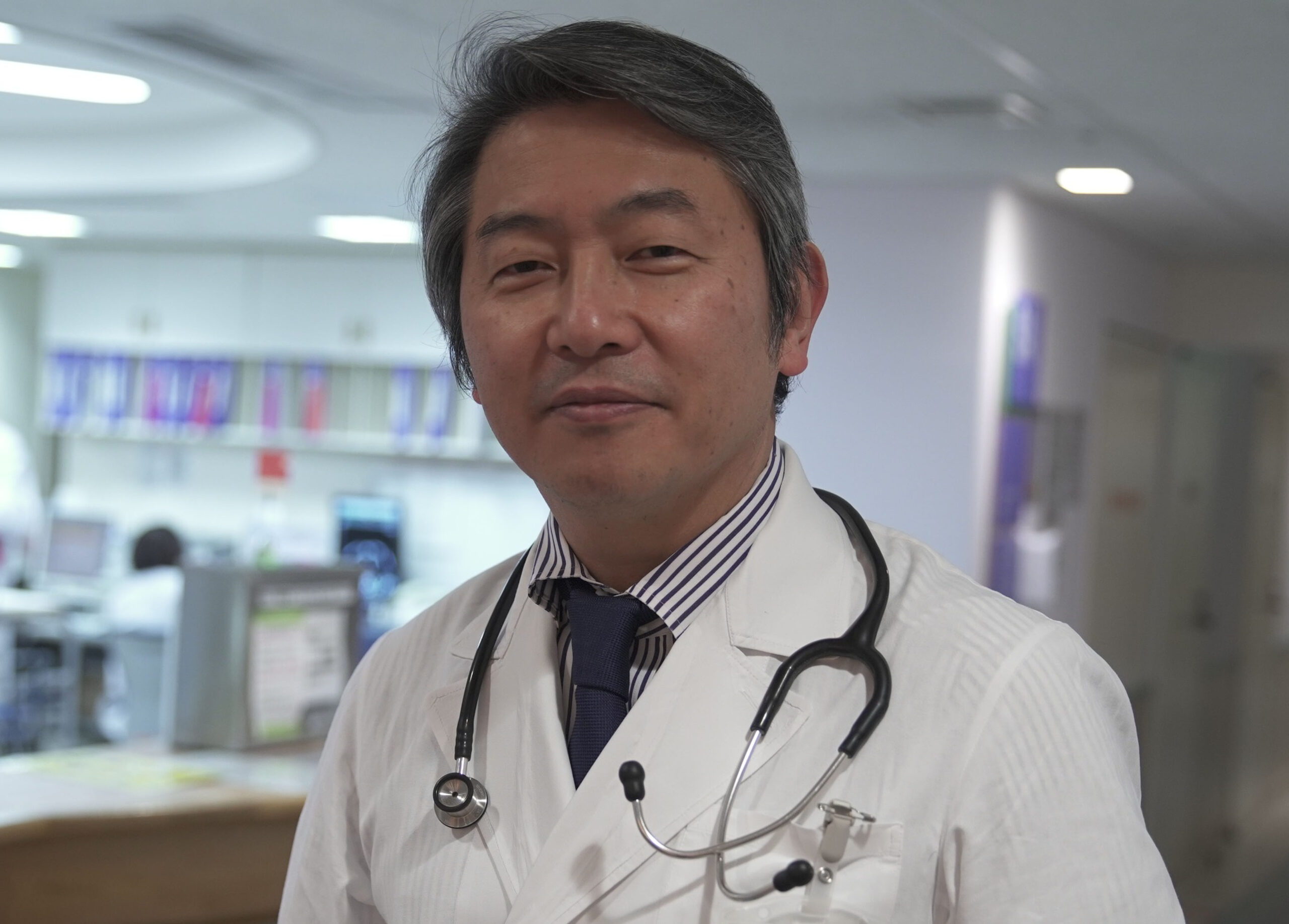
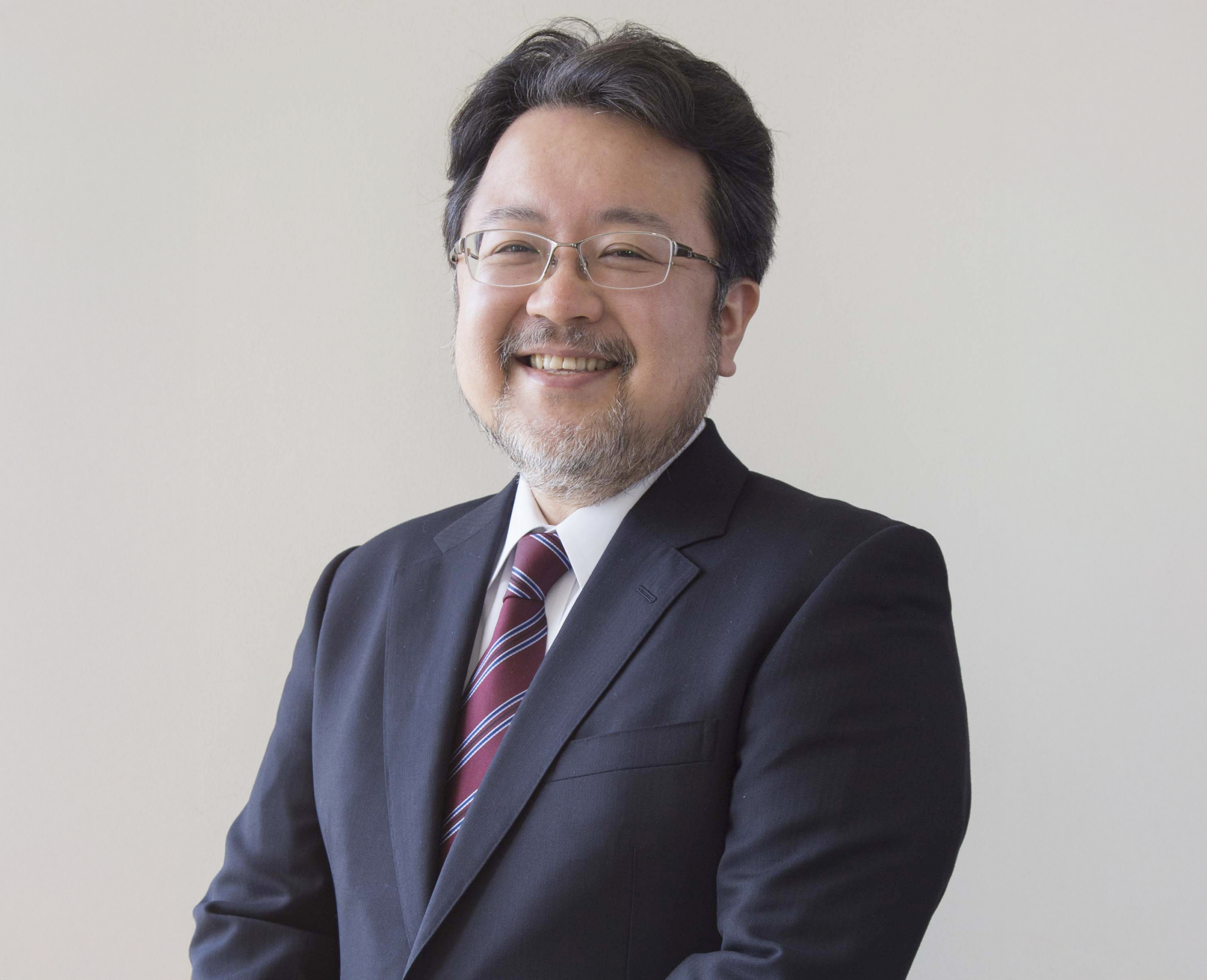
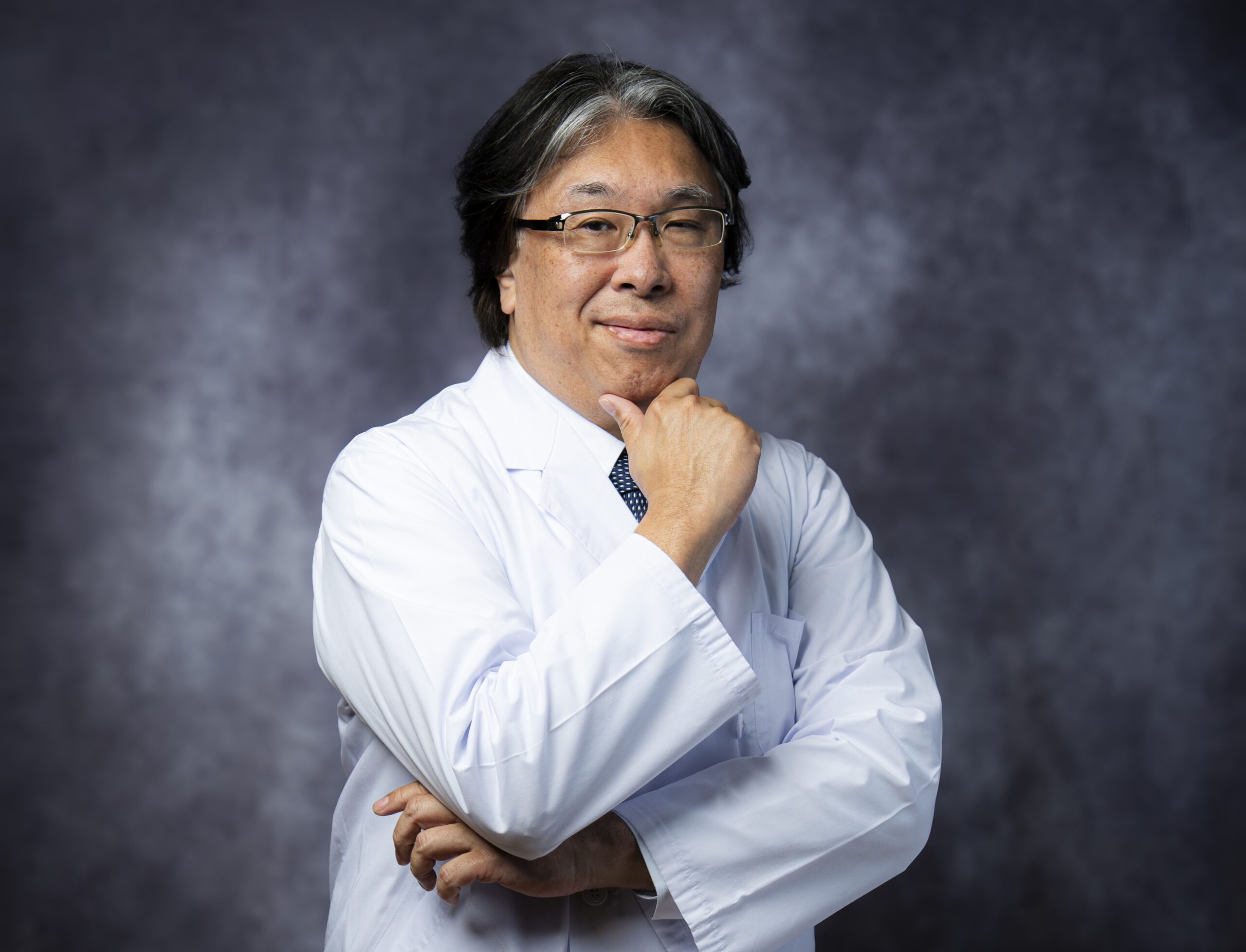
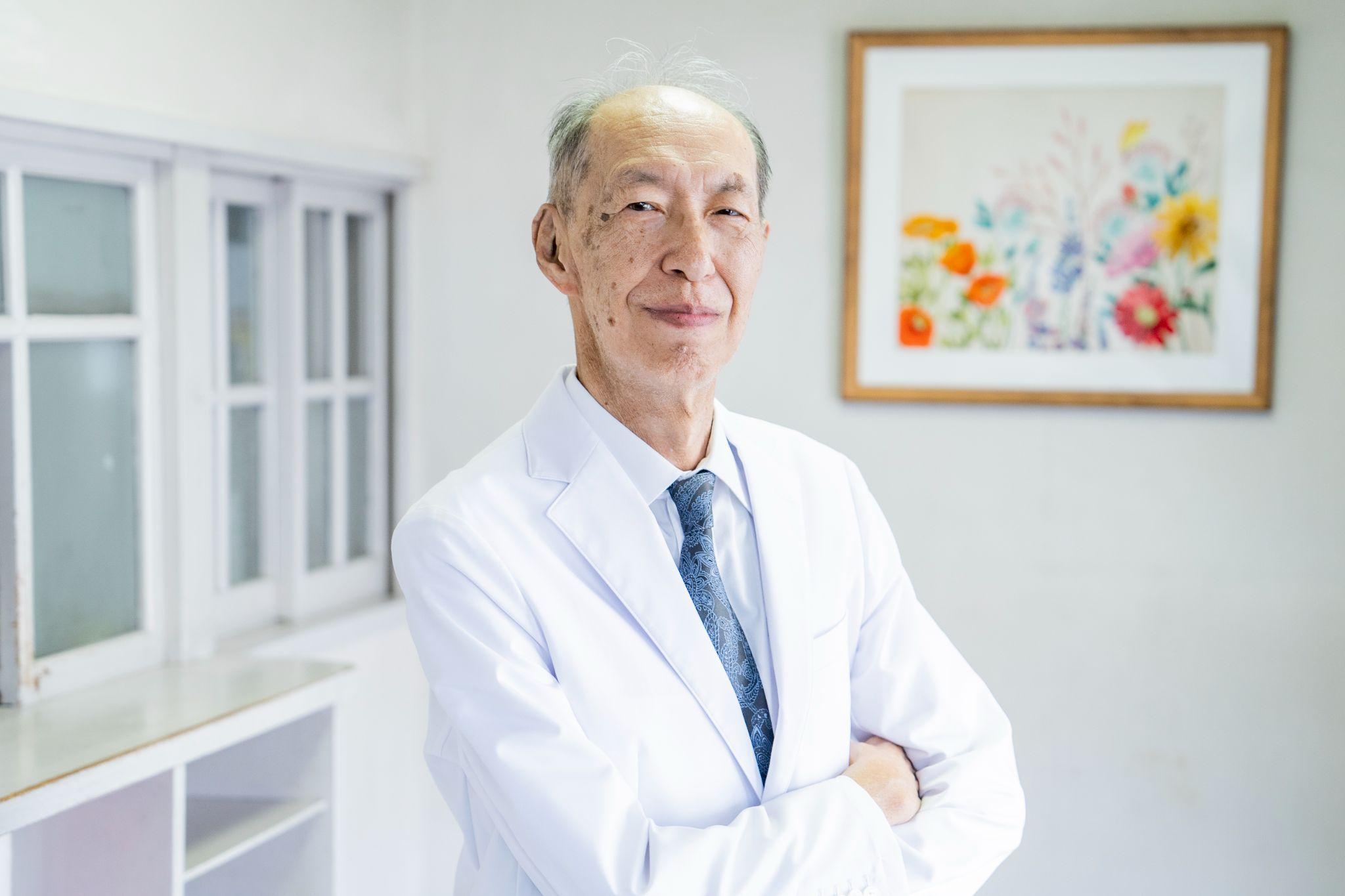
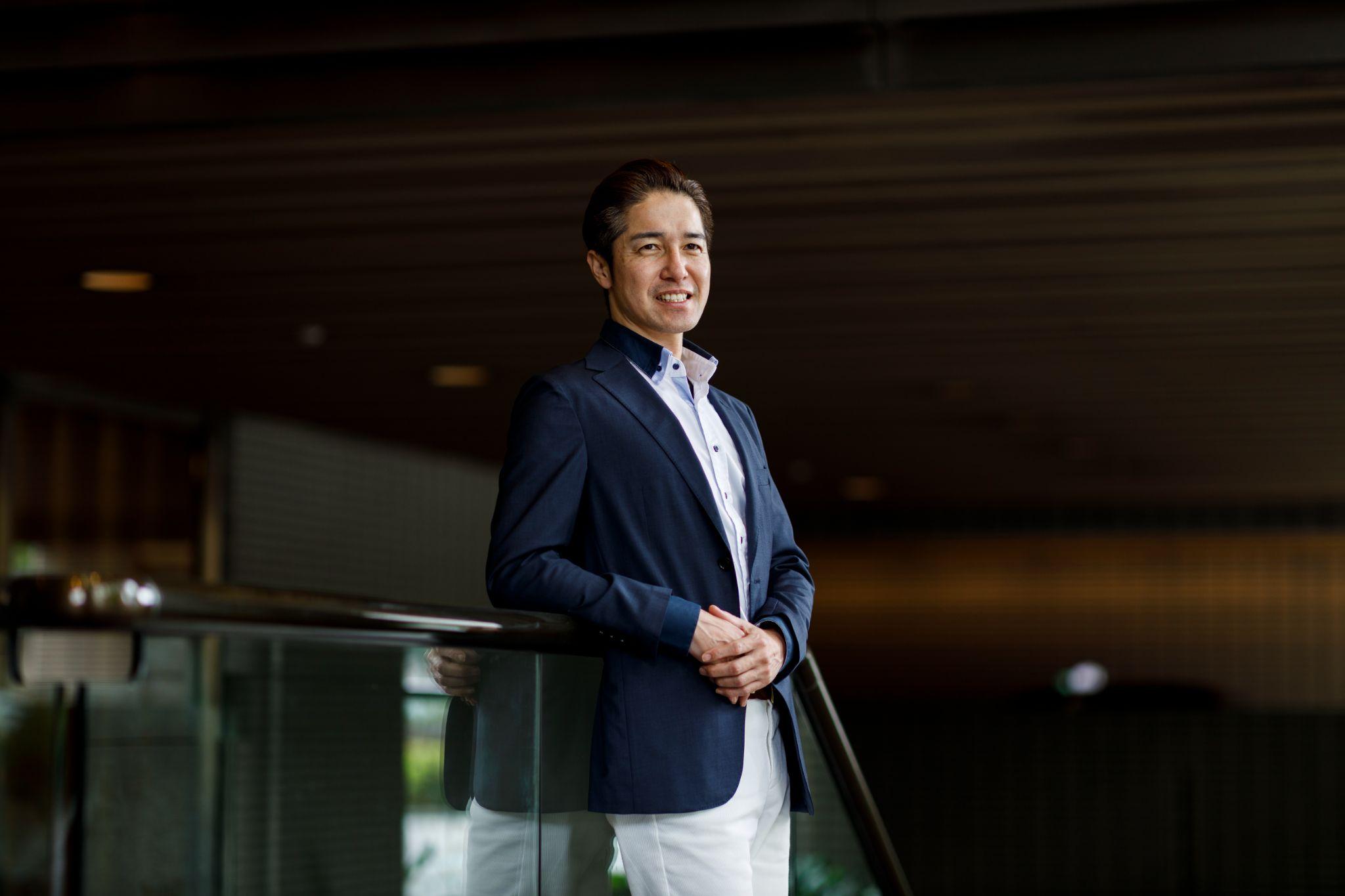
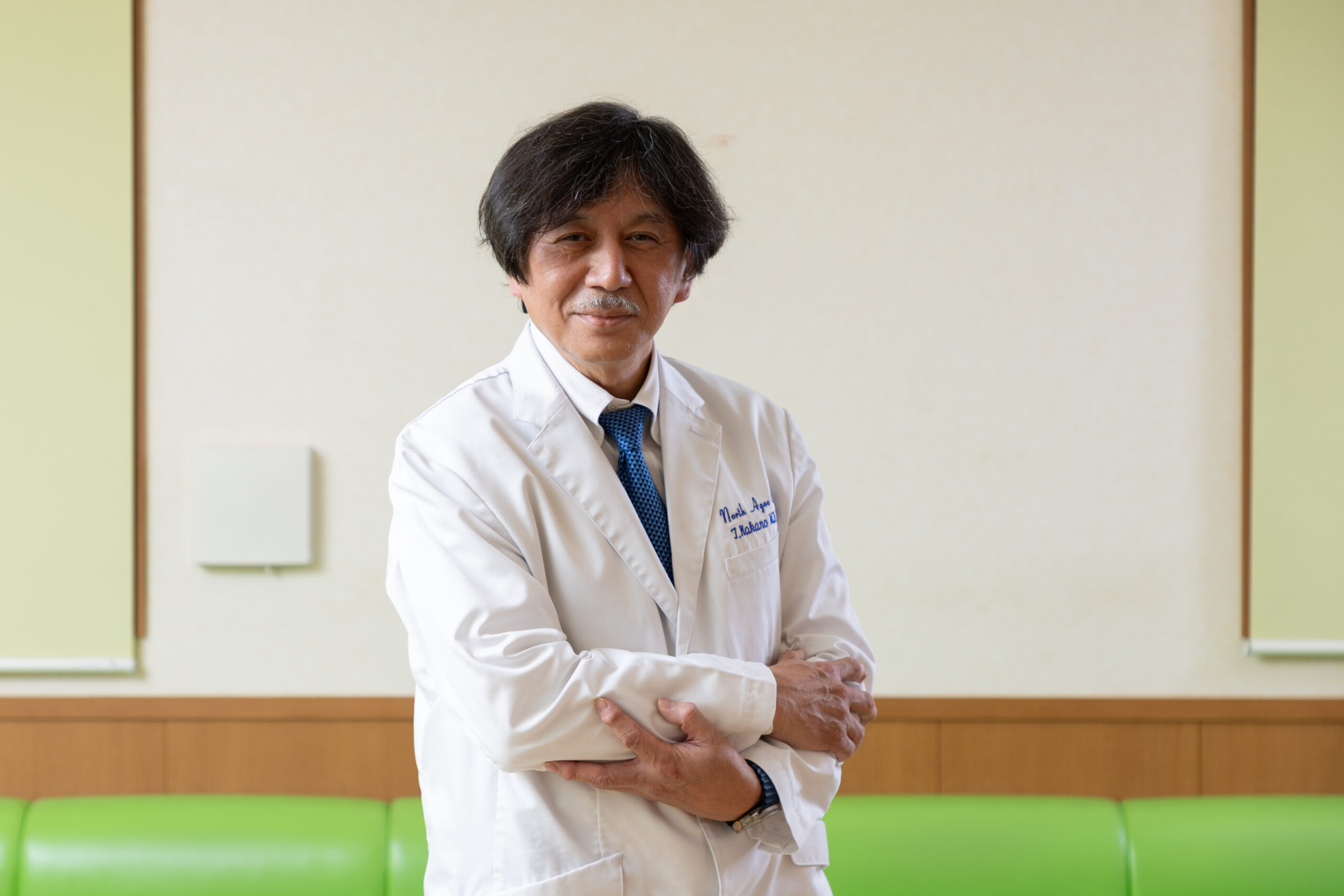
Takumi Nakano
Director
Kitaageo Clinic
Website:https://kitaageo-cl.jp/
After years in gastrointestinal surgery and emergency medicine, opened his own clinic in 2014. Practices holistic care as a community family doctor, seeing patients even on weekends.
- TOP >
- FEATURE ARTICLES >
- Takumi Nakano
From surgery to internal medicine, and a fresh start past fifty
After graduating from Kochi Medical School, I trained in otolaryngology before moving into surgery. Along with operations for a range of digestive conditions, stomach cancer, colon cancer, gallstones, hernias, appendicitis, and the like, I spent a period working in breast cancer treatment. My long stretch at an emergency hospital, too, gave me the flexibility to handle a wide range of conditions outside my specialty.
My days as a surgeon were hectic. Then one day my wife suffered a cerebral hemorrhage. It left her with severe paralysis in all four limbs, and with a swallowing disorder (dysphagia) that made tube feeding necessary. Balancing caregiving against a demanding surgical job was all but impossible, so I decided to switch to internal medicine. I had to consider how to move forward, as a husband and as a doctor. Caring for my wife in a private room costs a great deal, and a salaried physician’s income only goes so far. So I made the decision to open my own practice. It was a big leap, taken past the age of fifty.
Treating the person, not just the illness
With the motto of “a friendly, warm, and flexible clinic,” I first opened in Ageo City in 2014. More than ten years have gone by already, and I feel I've learned a great deal along the way. For a local primary care doctor, a family doctor, trust and communication with patients matter enormously. A careful examination can turn up a serious disease in a patient's own words or in some small irregularity, and my time at the emergency hospital helps me here more than anything.
As a family doctor, I also try to practice whole-person medicine, care that takes the patient's life circumstances into account. Our job as doctors is to heal injuries and illnesses, but healing alone isn't the whole of it. The right treatment differs between a young patient and an older one, and it shifts again depending on whether someone lives alone or with family. Much of this I noticed or learned only after opening my practice. Even now, with every patient I see, I consider myself still on the way, still studying.
Well-equipped for testing, to catch the first signs of trouble
One thing that sets my clinic apart is how well equipped we are, including CT and endoscopy. Running the necessary tests quickly and in-house lets us address a wide range of conditions and refer patients early to specialist or emergency hospitals, and that has saved lives.
One Sunday, a patient came in from the next town over, saying no hospital near home was open. The complaint was a violent headache. A CT scan showed a subarachnoid hemorrhage, and because the patient couldn't receive a transfusion for religious reasons, the situation grew harder still. Even so, we found a hospital able to take the case, arranged emergency transport, and averted the worst.
A neighbor who complained of a voice gone suddenly hoarse turned out, once we looked, to have a large aneurysm in the chest; we rushed a referral to an emergency hospital, and after surgery the patient pulled through.
A longtime patient of mine, treated for high blood pressure, mentioned that a headache hadn't lifted for several days. A head CT revealed a large subdural hematoma at the edge of the brain, pressing on it dangerously, and we sent the patient straight to neurosurgery by emergency transport. About a week later, they stopped by to report being discharged and went home smiling, saying, "Tonight I'll have a drink for the first time in ages."
Older patients in particular can be thrown off by the smallest thing; it happens often that someone was fine yesterday but feels strangely unwell today. When that happens, having a full set of testing equipment on hand means I can say, let's take a look, just to be safe. I see this as one of my clinic's defining features, and one of its real strengths.
Convenient, and open when people need it
My clinic is open on weekends, a practice I've kept up since my second year. In that first year, few patients came, and the finances were tight. Trying to stay afloat, I began seeing patients on Sundays as well. It also grew out of an impression I'd formed earlier, during my weekend night shifts at the emergency hospital: with so many practices closed on Saturdays and Sundays, a lot of people were left stranded, with nowhere to go for care.
Illness and sudden downturns in health give little warning. And even when people do feel off, plenty of them think it's not really bad enough to bother my usual clinic. For those whose symptoms aren't quite worth missing a day of work over, or who need something to tide them over until a specialist hospital opens on Monday, I'd like my clinic to fill the gap. We also offer more than treatment for illness, things like garlic injections and placenta injections meant to lift physical and mental vitality, and I'd be glad for people to make use of them.
The job is to keep improving, offering the best care possible
These days I work in Ageo City, Saitama Prefecture, as a local family doctor and primary care physician. As in many other industries, though, the problems in medicine are piling up. The cost of medical supplies and labor keeps climbing, for one, while reimbursement rates stay flat and barely move, and as a result many hospitals and clinics seem to be facing real financial strain.
This is a grave problem, tied to the future and the very upkeep of sound medicine, and everyone in the field will have to work together to get past it. If we can create a future where medicine feels promising, then the staff who left (or were driven out) because of mounting risks and heavier financial burdens, might well return.
What I can do now is modest: meet each patient's needs, examine them properly when they want to be seen, and handle what I find. Stacking up those small steps, becoming someone the community relies on, and continuing to earn that trust: that, I believe, is the role a primary care doctor is meant to play. For all its problems, medicine is a rewarding, absorbing, and demanding field. Someone like me, opening a practice past fifty, is a rare case, but I hope younger people in medicine will attempt leaps even bigger than mine.
Earning a place in the community
Since opening, I've aimed for a friendly clinic that people can walk into without a second thought. By now I've grown close enough to my patients that they bring me gifts: vegetables, sweets, sometimes even a bottle of something. Taking that as a sign that the people here have come to trust me and cheer me on means a great deal to me.
Going forward, I'd like to bring together doctors and staff who share the same vision and build an even higher quality of team-based care. I feel the limits of practicing medicine alone; with more than one set of eyes, care can take in more perspectives and improve its approach to treatment. I'm still only partway there. But I want to continue establishing deep roots in this community, as a friendly, warm, and flexible clinic.