- TOP >
- FEATURE ARTICLES >
- Kentaro Yasuhara
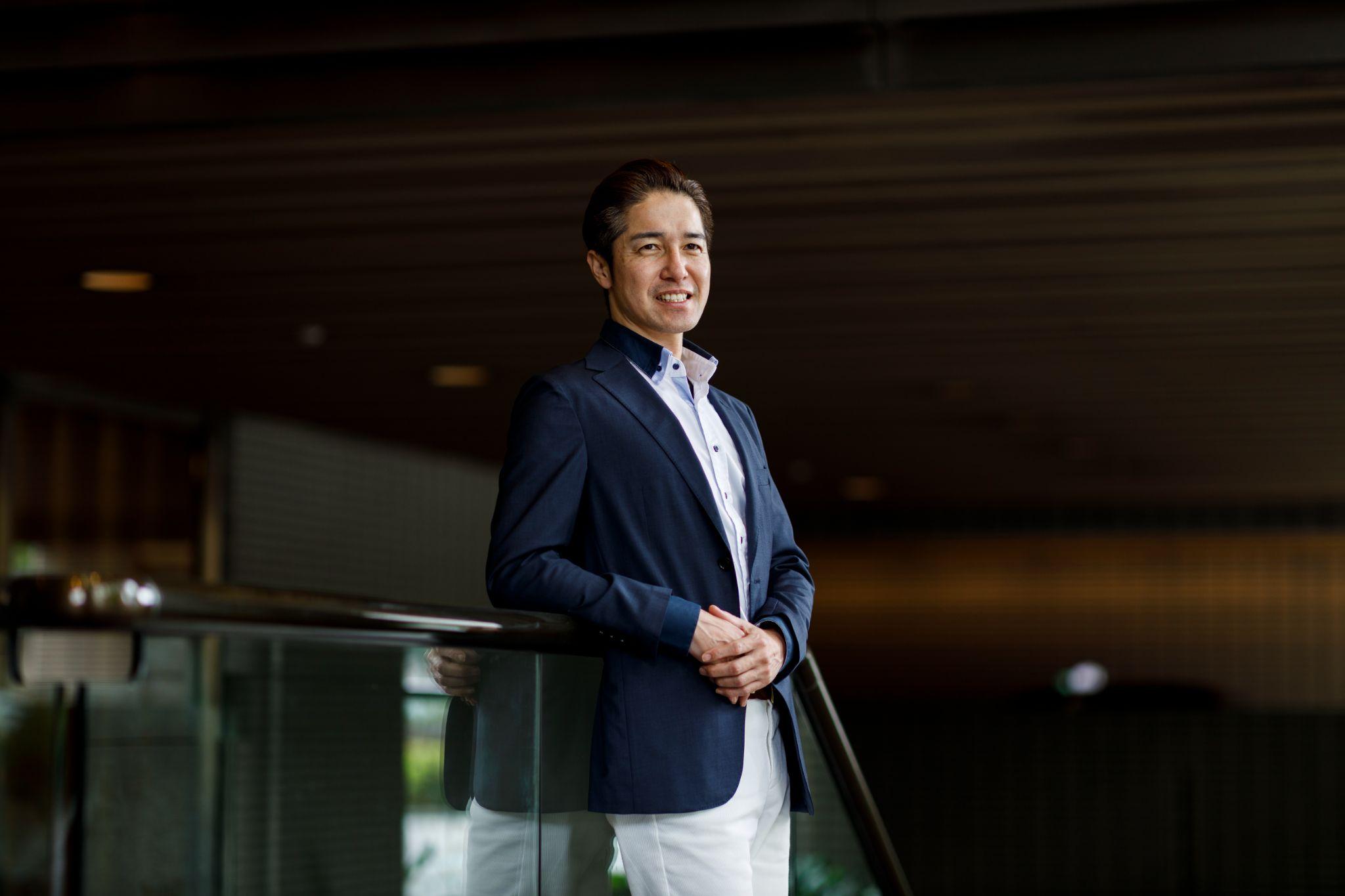
“A principle exists.”
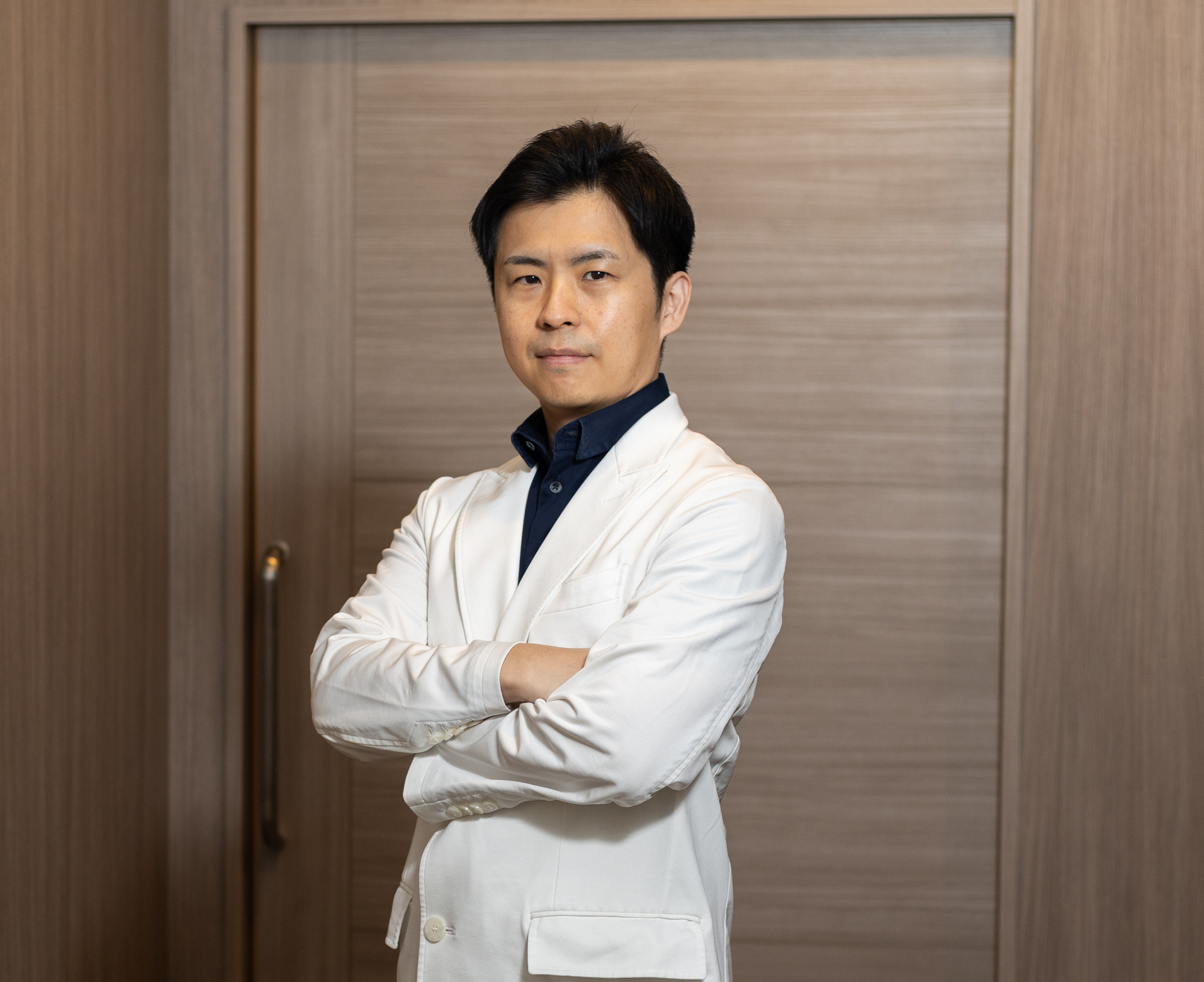
Kentaro Yasuhara
Director
Shingai Internal Medicine & Cardiology Shonan Clinic, Joujin-kai Medical Corporation
Website:https://shingai-med.jp
Family doctor guided by patient satisfaction. Through precise diagnosis and open dialogue, he supports the future patients choose for themselves.
- TOP >
- FEATURE ARTICLES >
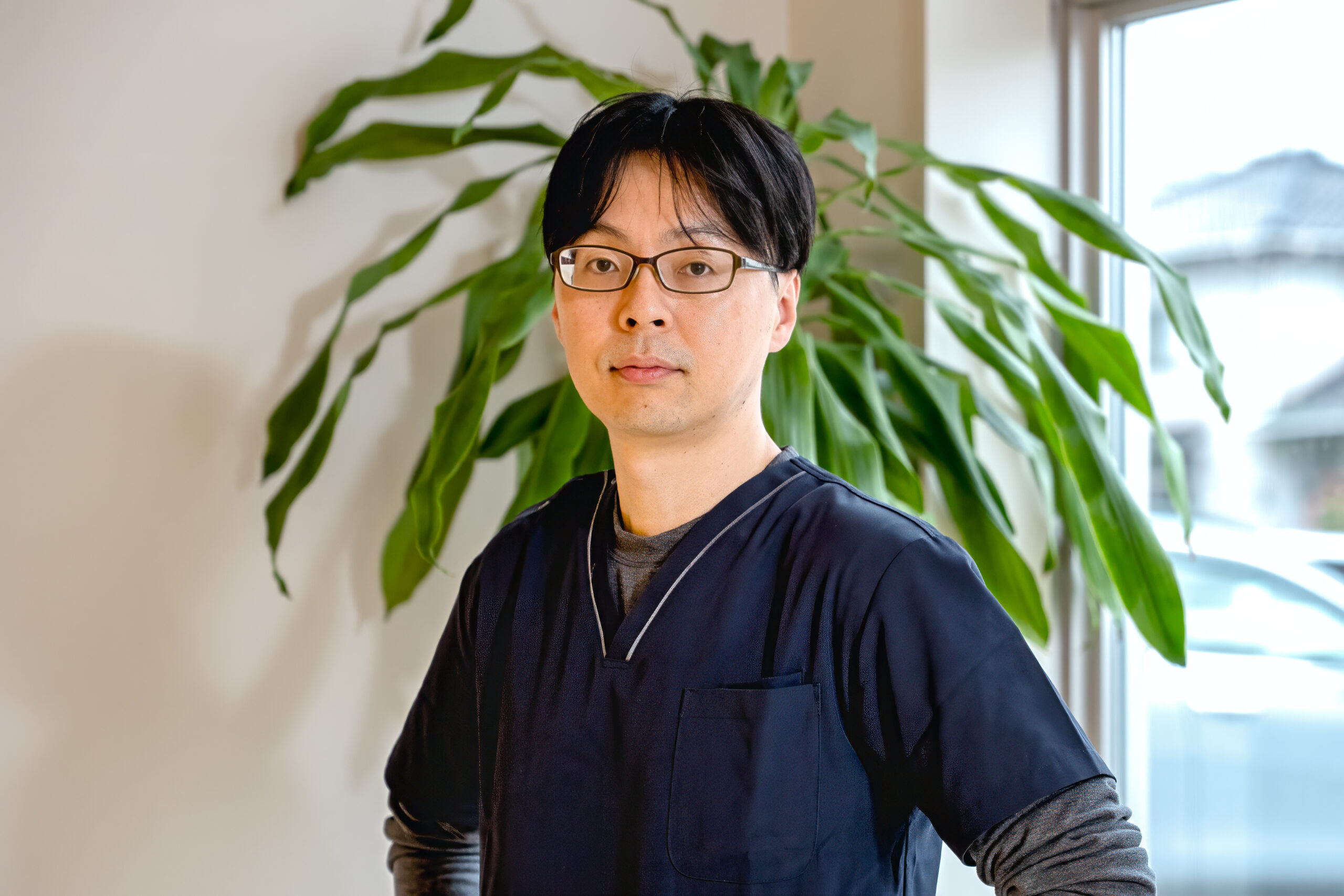
- Kentaro Yasuhara
Born into a family of doctors
I am a third-generation physician, following my grandfather and my father. My grandfather ran a clinic with inpatient beds in Tomonoura, in the city of Fukuyama, Hiroshima Prefecture, and my father kept practicing in the same town, where he still sees patients today. For me, medicine was there from the day I was born. It was the family trade and the ordinary backdrop of daily life.
To be honest, as a boy, I had no wish to become a doctor. I had watched my father at work too closely for that. Alongside his practice, he helped run a care facility for the elderly, so calls about a resident’s condition would come in even at night. Each time, he would leave, and more than once he turned the car around in the middle of a family trip.And being “the doctor’s son” sometimes made me the target of other people’s envy, which was hard to bear.
Even as a child, I sensed that what my father and grandfather did mattered. But I knew the work from the inside, and to me it was not something to idolize.
My father's practice showed me the doctor I wanted to be
In my early twenties, I had the chance to think seriously about my future and how I wanted to live. Until then, I had nothing I could call solid ground under my feet. So I came to want, in earnest, to walk through life properly. But what did walking properly mean? When I tried to answer that question, the image that came to mind was my father. The very person I had once felt so far from now seemed to point the way forward.
The doctor I wanted to become came into focus because of one of my father's cases. An elderly woman in the neighborhood complained that even simple chores, like folding and putting away her futon, left her short of breath. As he worked through the examination, what surfaced was a suspected case of angina. Angina usually comes with chest pain, but this patient had none. My father listened carefully, followed her symptoms through conversation, and in the end found the cause.
I still remember it well. Listening, searching for a cause you cannot see, getting closer step by step to understanding the illness. That kind of dialogue, I felt, is the doctor's real work.
Turbulent hospital years set my standard as a doctor
After graduating from the Nihon University School of Medicine, I trained as a cardiologist at a university hospital and at regional acute-care hospitals, focusing on catheter procedures. The days I remember most vividly were at one core hospital.
When I worked there, a fiercely competitive atmosphere still hung in the air. But it was not the contest for promotion that interested me.What drew me in was the intense competition that environment fostered, and the strong ambition it inspired to reach higher. Young, gifted doctors who would carry the future were pushing one another, giving everything to their work. That high standard pushed me too, and it made me think hard about where to set my own bar for effort. Being in such a demanding place, hard as it was, taught me a great deal, and I still count it among my greatest assets.
A mission to serve the community, passed down three generations
After about ten years of building experience this way, I returned to my hometown in Hiroshima and opened my own practice.
Just as my grandfather and father had, I had always known that if I opened a practice, it would be as a family doctor. The same devotion to community medicine that ran through my grandfather and father, I think, runs through me as well.
The most important thing for a family doctor, in my view, is an accurate diagnosis. Having the cause of your trouble found quickly and correctly is itself the greatest reassurance a patient can have. From there, if treatment is needed, we treat, and if more advanced care is called for, we make sure to connect the patient to the right medical facility. Judging whether danger is present and directing the patient to the proper place is a family doctor's essential duty.
Patients who understand and choose with conviction
Lifestyle-related diseases are, as the name suggests, closely tied to how we live day to day. Medication is an important tool for controlling symptoms, but rather than relying on it alone, I believe we come closer to real improvement by pairing it with diet and exercise.
To that end, I start by explaining with concrete numbers wherever I can. The same data can leave a very different impression depending on how you look at it. Lowering blood pressure, for example, has the benefit of fewer future hospitalizations for heart failure. At the same time, it comes with things to watch for, such as dizziness and effects on kidney function.
If someone's blood pressure is around 140, I would put improving daily habits first. If it climbs above 160, though, the risk of cerebral hemorrhage or infarction rises, so I would consider medication.
Cholesterol is the same. Take a patient whose blood pressure and blood sugar are both fine and whose cholesterol alone is a little high. Over ten years, the difference in their risk of stroke or heart attack can be quite small. If they are worried, we check the state of the blood vessels with a carotid ultrasound and other tests. If there is no arteriosclerosis and the risk is low, one option is not to rush to medication. On the other hand, when diabetes is also present, the effect on the blood vessels is greater, so I strongly recommend bringing the numbers down.
In this way, I explain the options as fully as I can, including the risk calculations from the medical society guidelines and the reasons behind my judgment. What matters, I believe, is that the patient understands fully and chooses with conviction.
Deciding on medication by the numbers alone might be the easy path. But my answer is to talk with the patient, again and again, and think through the best approach together. Start with what you can, like diet and exercise, and set things right little by little. Along the way, I listen again, and if need be, we rework the plan. It takes time and effort, but this cumulative process, done over and over, is exactly what I am committed to.
Putting exercise and nutrition at the center of care
On the second floor of our clinic, we have a fitness gym. Because cardiology is my specialty, I wanted to build exercise and nutrition firmly into care. I had held that idea vaguely for some time, and once the conditions were in place for a medical facility to also run an exercise facility, I was finally able to give the plan a real form.
As I mentioned, in treating lifestyle-related diseases, the basic approach is to start with nutrition and exercise therapy and to prescribe medication only if the patient’s condition does not improve. In practice, though, it usually ends with the doctor saying, “Please get some exercise too,” and that is that. Most patients, in the end, never manage to act on it. That is why I thought an environment where I could offer something concrete, “Let's exercise here,” would carry real meaning. If exercise can bring improvement, that is the best outcome of all. Having that option right here in my own clinic was the kind of care I had always wanted to provide.
Even before I opened, my father told me, “Do something interesting.” I believe that my current practice—where medical care, the gym, nutrition, and exercise all come together as one—is a natural extension of those words.
The future of community medicine, and what only humans can do
If I had to name the values our clinic holds dear, the first is gratitude and the second is respect. Gratitude means never taking anything for granted, and always seeing things with fresh eyes, as if for the first time. Respect means treating patients not as “patients with high blood pressure,” but as “individuals with high blood pressure.”
Patients who want to avoid medication each have their reasons. Their work, their family. I give my full care to the diagnosis and the explanation as a doctor, of course. The patient is an adult who can take responsibility for their own choices. While giving full consideration to safety, we want them to make choices they find convincing and live their lives in a way that is true to themselves. Rather than pushing medication on someone, we think together: "So where should we go from here?" That is what we mean by supporting a patient's independence.
This way of engaging will only grow in meaning in the years ahead. As artificial intelligence advances, there will be more and more situations where, in diagnosis, AI performs with greater accuracy than a human.
However, only humans can listen to a patient’s hopes for their life and what they value most, and work together with them to determine the best course of action. I intend to remain what I have been: a local family doctor who walks alongside each person's life journey and supports their independence.