- TOP >
- FEATURE ARTICLES >
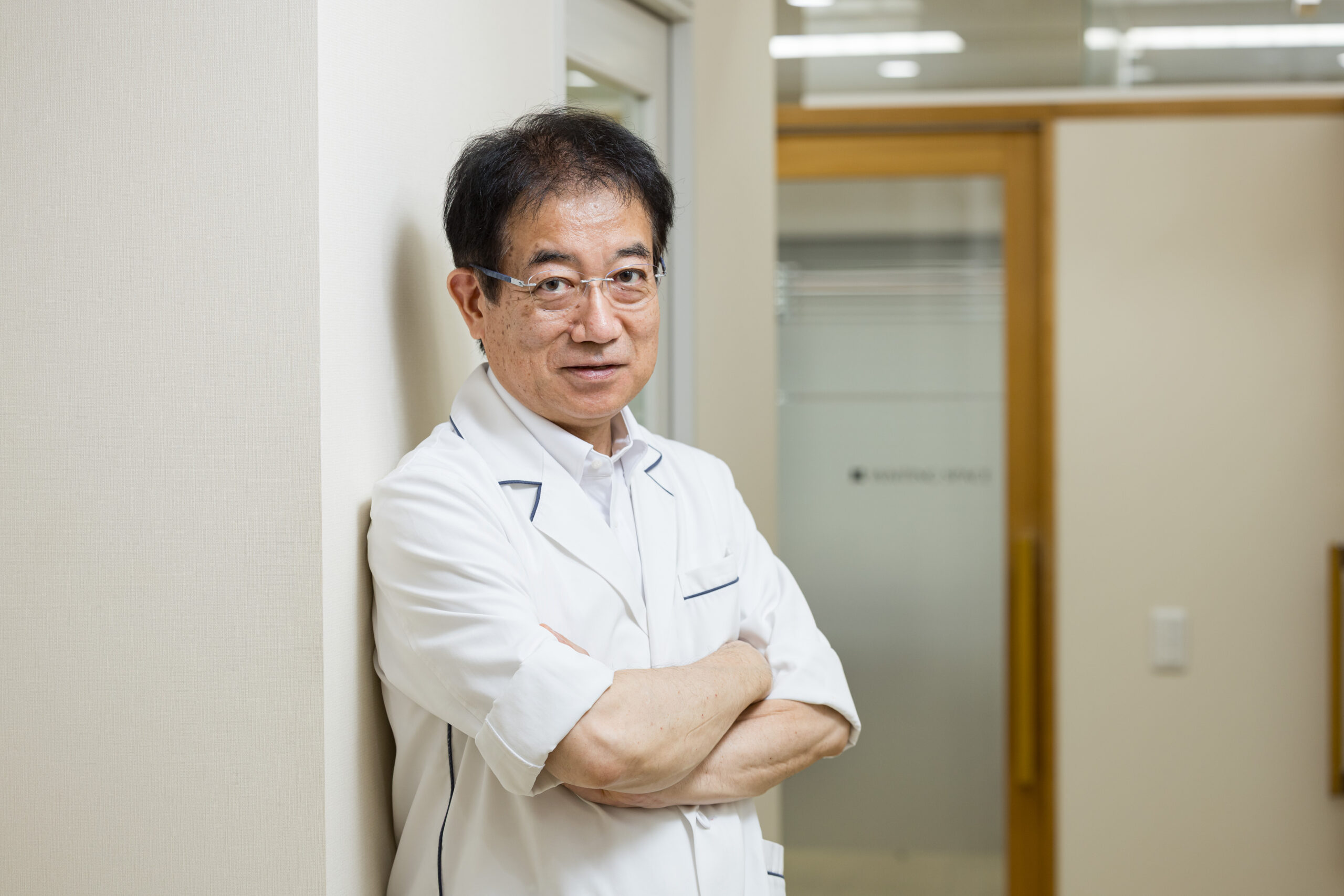
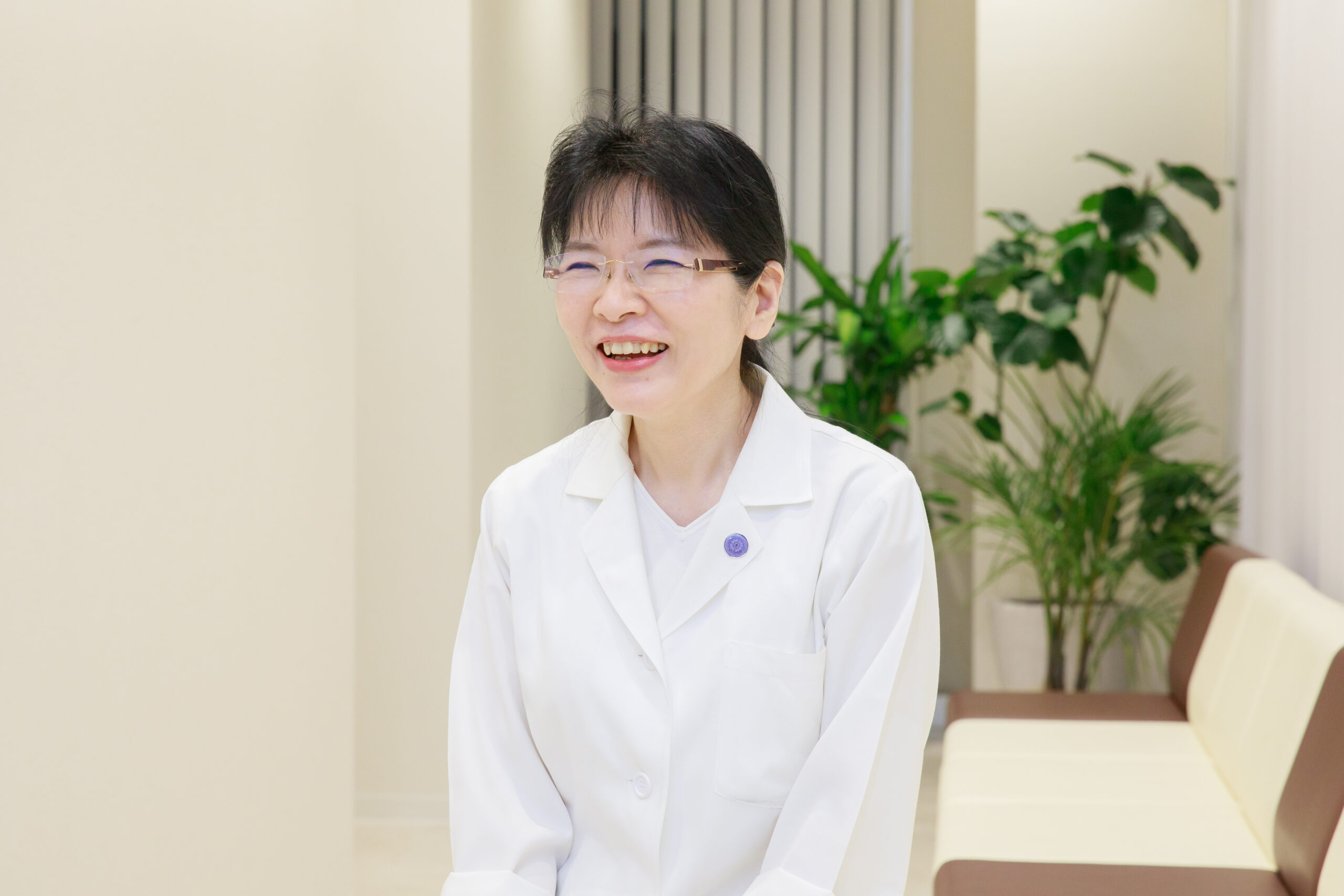
- Miyuki Matsumura
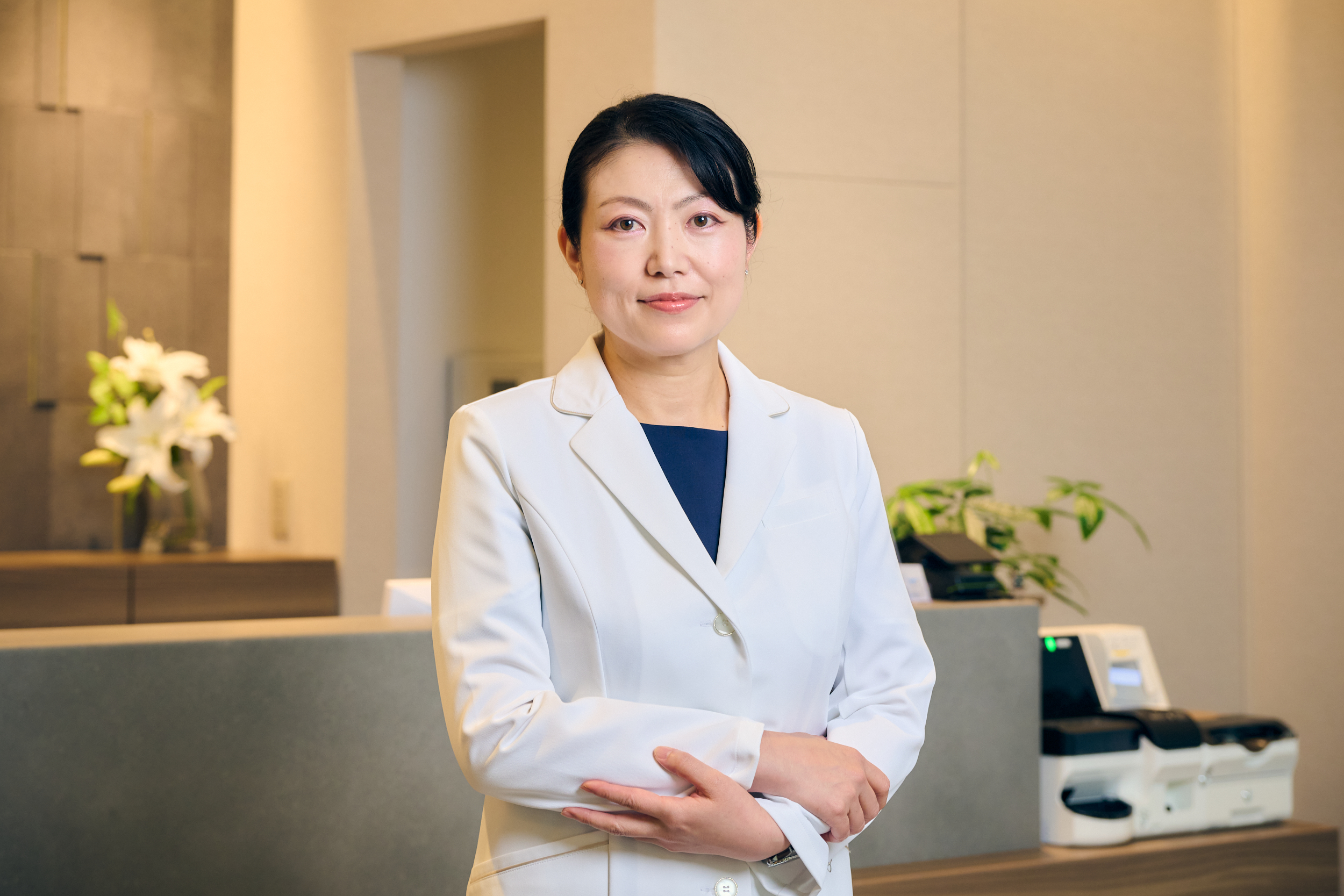
“Sincerity and love.”
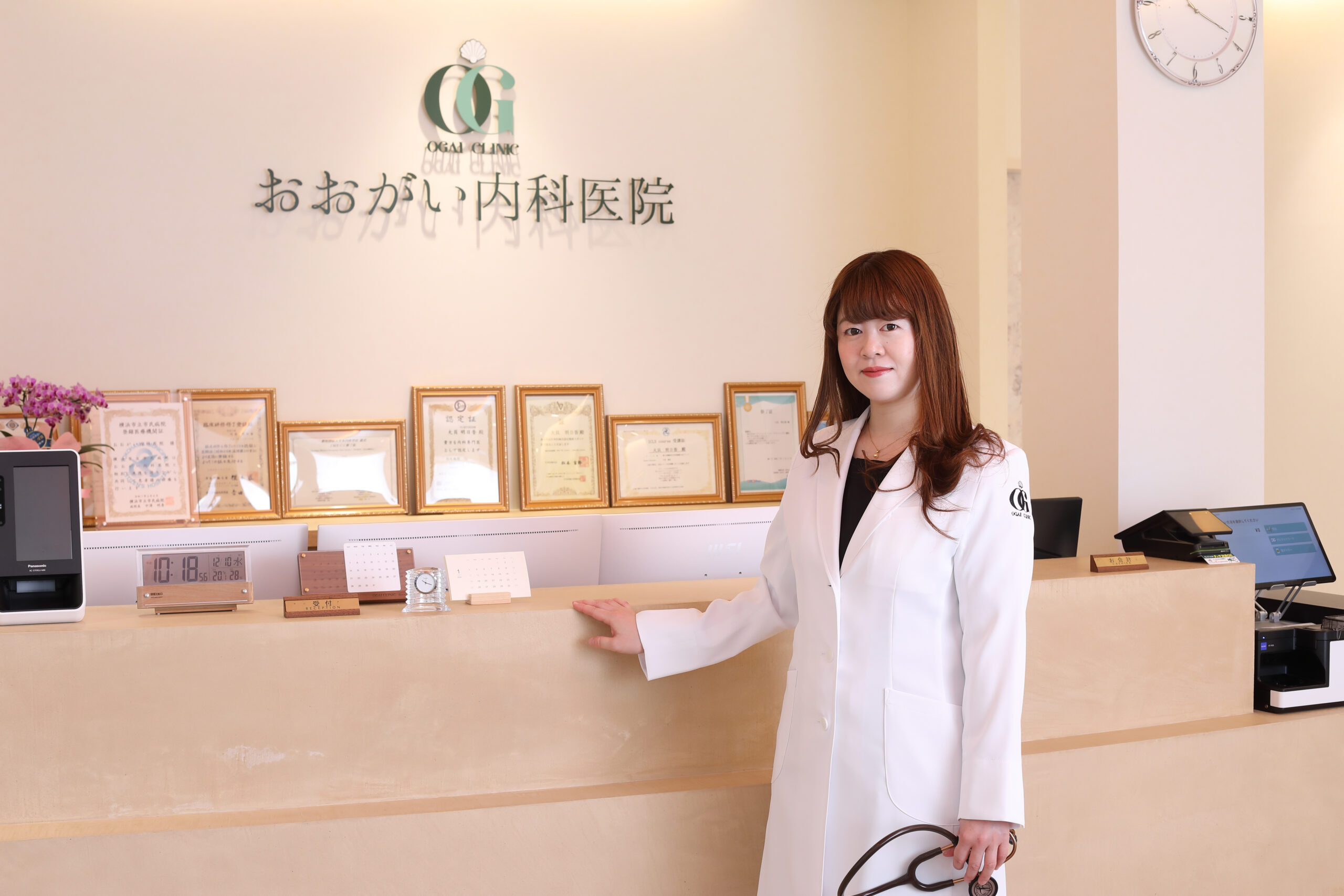
Miyuki Matsumura
Director
Yoyogi Station Neurology & Internal Medicine Clinic
Website:https://www.yoyogiekimae-noushinkei.com/
Neurologist who prioritizes care that supports the daily lives of people with dementia, while also working to build communities where both patients and their families can live comfortably.
- TOP >
- FEATURE ARTICLES >
- Miyuki Matsumura
For someone else's sake: becoming a doctor, and choosing neurology
My life has been filled with encounters with remarkable teachers. From kindergarten through university, and later as a working adult and a physician, I have been blessed with people who guided me like mentors. Among them were a grade-school teacher in poor health and the doctor who cared for her. I stayed in touch with that teacher until she died, and it was around then, I think, that the profession of medicine first became something I could see as a tangible reality.
“For someone else’s sake.” That feeling had been growing in my heart without my noticing, and I first became conscious of it in high school, when I was deciding what I wanted to do with my life. At a Christian middle and high school, I learned to contemplate the meaning of my own existence. When I asked myself what people live for, the answer that struck a chord in my adolescent heart was the life of Christ, who sacrificed himself for others. It was that schoolteacher and her doctor who helped me connect the idea of “living for someone else” with the idea of helping those suffering from illness.
Set on becoming a physician, I entered Tokyo Women’s Medical University. As the years passed, I had to start thinking about which specialty to choose. I didn’t grow up with doctors in the family and had no clinic I could take over, so I was free to choose, but that freedom made it genuinely difficult to judge which field suited me.
So, during the summer vacation the year before my ward rotations began, I decided to join a neurology internship. The patient I examined there was the first patient I ever encountered as a healthcare professional. They had amyotrophic lateral sclerosis, were already on a ventilator, and had spent years in the hospital, unable to move anything but their eyes. His room gave off a sterile impression and was silent except for the steady rhythm of the ventilator; nothing really moved but the mist from the humidifier. We communicated through eye contact alone, and as I carried out that quiet examination with the classmates who had joined me, one of them did something playful, and I saw the patient unintentionally laugh with their eyes alone. Just that gesture pierced me through the heart. How, I wondered, does a patient who cannot move even a fingertip come to terms with such a rich inner life and live that way for years? Their suffering and their inner struggle really struck me, not as a member of the medical profession, but as a human being. I could not shake the feeling, and I chose the path of a neurologist.
Finding preventive medicine: launching the neurology department at Tokyo Women's Medical University's Adult Medicine Center
I continued to provide a wide range of neurological care, including treatment for intractable neurological diseases, and, through various twists and turns in my work as a physician, I eventually took up dementia as my specialty and began research on it. In the middle of all this came a request to launch a neurology department at one of the university's branch hospitals, and for that assignment I transferred, in 2006, to the Adult Medicine Center attached to Tokyo Women's Medical University. This center had a long history within the university as a facility combining health screening with outpatient care, so alongside clinical practice I learned preventive medicine as well. That proved to be an important part of my education.
The center ran a membership-based screening program in which each member is a single physician. That physician, called a lifestyle guidance doctor, oversees the member's health as a whole. Beyond finding abnormalities in a screening and treating them, the doctor handles everything: guidance for prevention, day-to-day complaints, and emergencies. Even at advanced ages, the center's screening members were living healthier, more vibrant lives than others their age. Seeing that, I learned at this center the importance of prevention, and the importance of tailored advice and treatment fitted to each person's condition. My way of practicing, grasping the whole of a person's health across specialties and then offering prevention, treatment, and advice for daily living, was cultivated here.
For people with dementia and their families: taking on dementia care and community building
The requests of the Adult Medicine Center's health screening members were vastly different from my previous clinical experience. They did not simply report the symptoms of an illness; they sought the care they wanted, the structure of that care included. So I decided to set aside the filter of the physician and hear what the members said exactly as they said it. When I did, I realized that the requests I had found so puzzling were, in fact, completely ordinary. I then tried the same thing in caring for people with dementia: removing the physician's filter and listening.
To my surprise, the person's worries, wishes, and struggles, the whole shape of what they were feeling, came through, and it was as if the view before me had suddenly cleared. These were ordinary human feelings. How had I failed to notice what this person with dementia was feeling? I felt the same shock I had felt from the patient with amyotrophic lateral sclerosis in my student days. From then on, I made a thorough practice of setting aside the physician's filter with people who have dementia, talking with them as one person to another and asking how they felt. As I kept this up, people with dementia became, to me, people I wanted very much to cherish, not just patients. And this way of practicing became my standard way of conducting dementia care and ordinary outpatient care as well; it remains so today. While I was doing this, the closure of my center, the Adult Medicine Center, was decided.
I could not leave them behind: the road to opening my own clinic
The closure of a university-affiliated hospital came as a huge shock to our patients. Though they didn’t say it out loud, the patients who had trusted us, and had been coming to see us for decades, were confused and worried about where they would go for care next. For us on staff, returning to our original department was the natural course. But quite a few patients did not want to follow us to where we were headed. That was how satisfying they had found the care at the Adult Medicine Center. One troubled patient murmured, "Doctor, aren’t you going to open your own practice?" Then, spreading like ripples, another patient asked me about it, and another. In the end, one patient even offered to find a location if I would open a clinic. The truth is that, at the time of the closure, the hardest thing for me was leaving my patients behind. I felt a deep human bond with the dementia patients and their families in particular, and thinking of what would become of them brought me to tears. Pushed on by the voices of many patients, I finally decided to open my own practice. For someone no longer young, the strain, financial and physical alike, was plain to anyone. But as a physician, I could not turn my back on my patients and walk away. Knowing full well the hardship ahead, I resolved to open my clinic.
The healthcare we aim for
A doctor is a medical professional, but in a patient's life I believe we play a supporting role. We help patients pursue their own fulfillment in good health and we must make every effort to grant those wishes through medical means. For that, the first thing is to listen well. Listening means asking about symptoms, of course, but it also means asking what the patient wants to achieve. What they worry about, and how they want to be: hearing that in detail, reaching agreement, and moving ahead with care on that basis, that is what medicine is, to my mind.
My university’s philosophy includes the phrase: "sincerity and love." The words mean utter sincerity and a compassionate heart. I consider this the ultimate mindset required of a physician. It was also the personal motto of our school's founder. As long as I have life in me, I want to devote myself, with utter sincerity and a compassionate heart, to my patients' care. And, as my life’s work, I want to build a community where people with dementia and their families can live without a single worry. Toward that end, I intend to keep building, effort upon effort, in the years ahead.