- TOP >
- FEATURE ARTICLES >
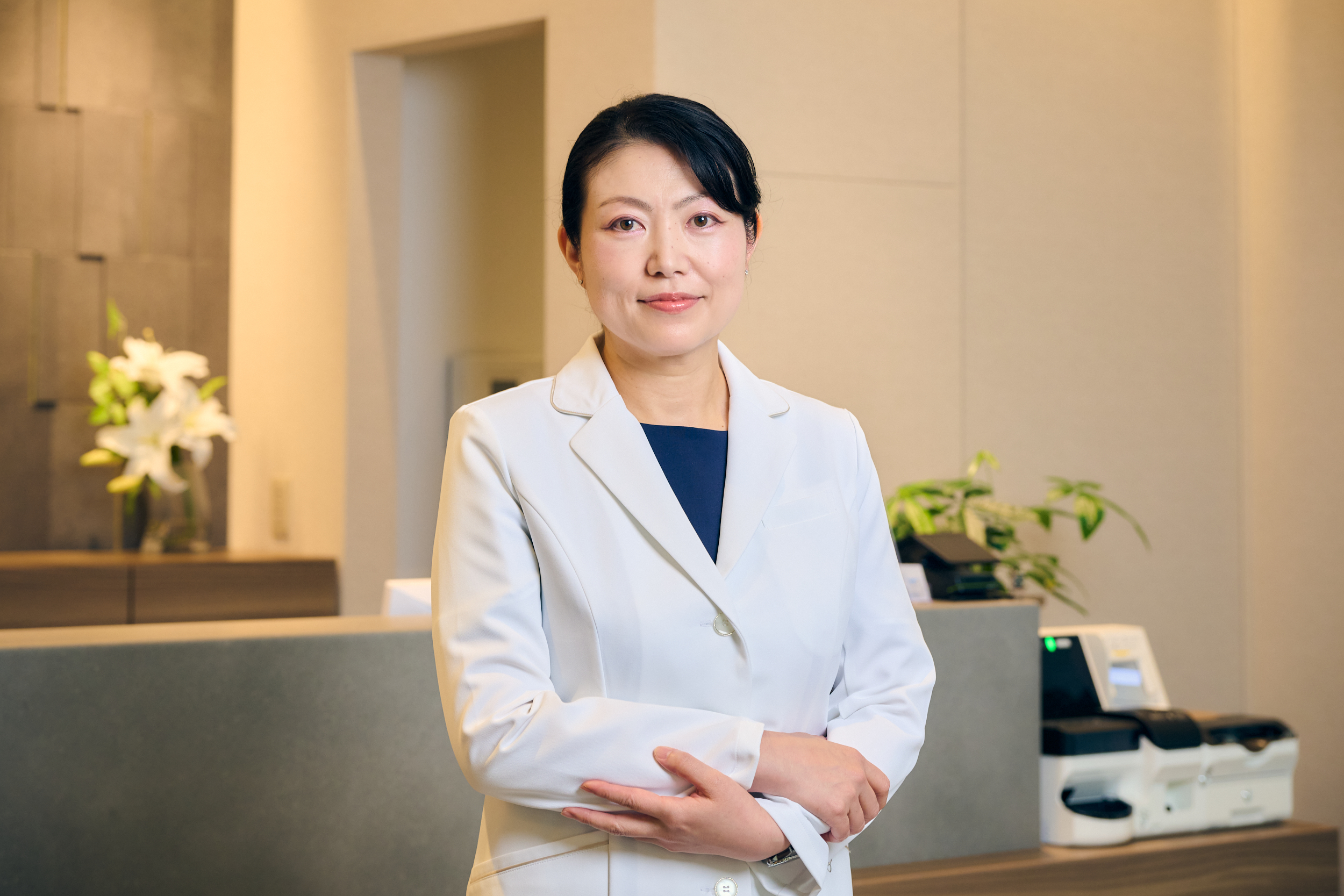
- Mia Matsuzawa
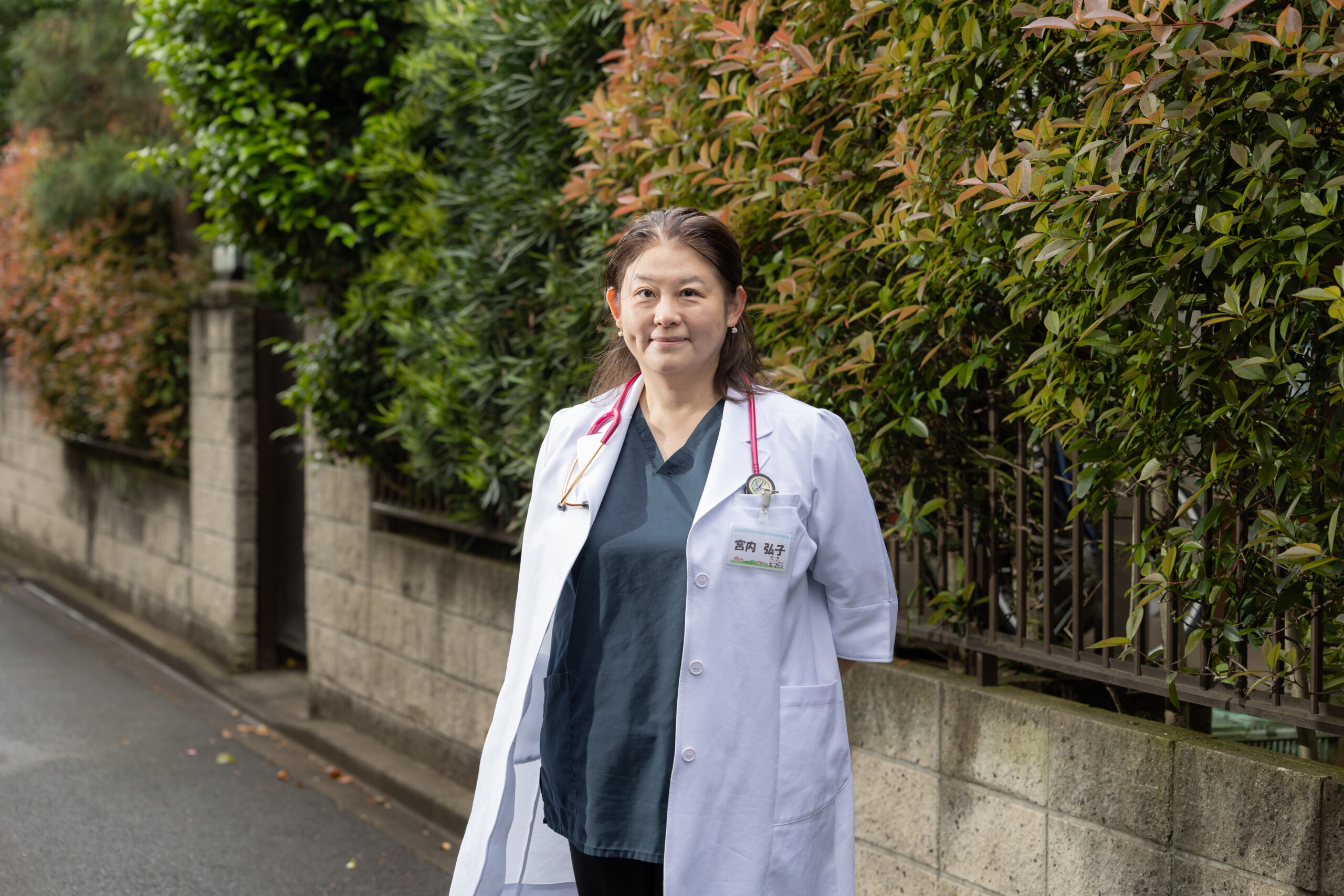
“The right care for the right person, the right resource for the right place.”
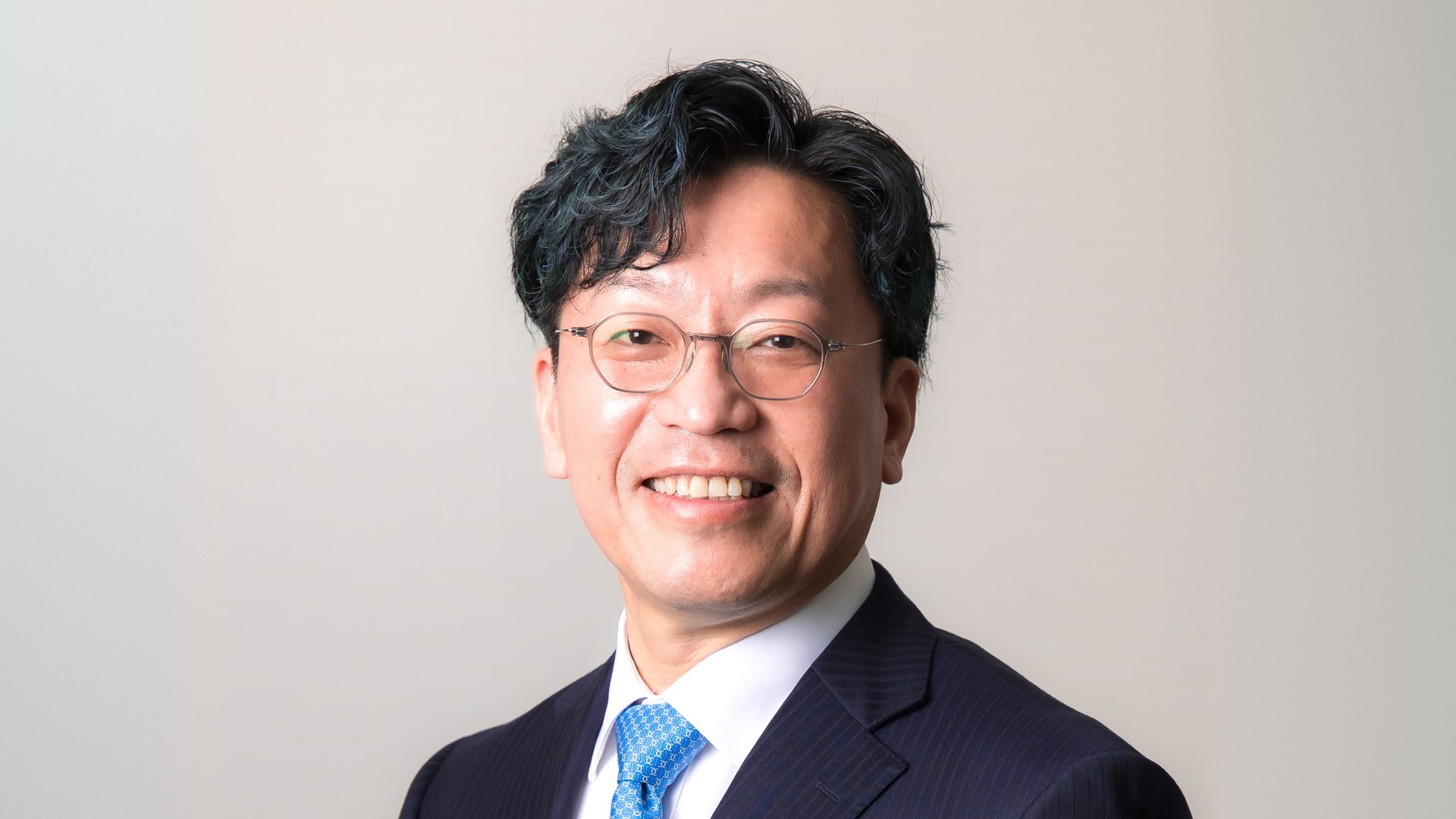
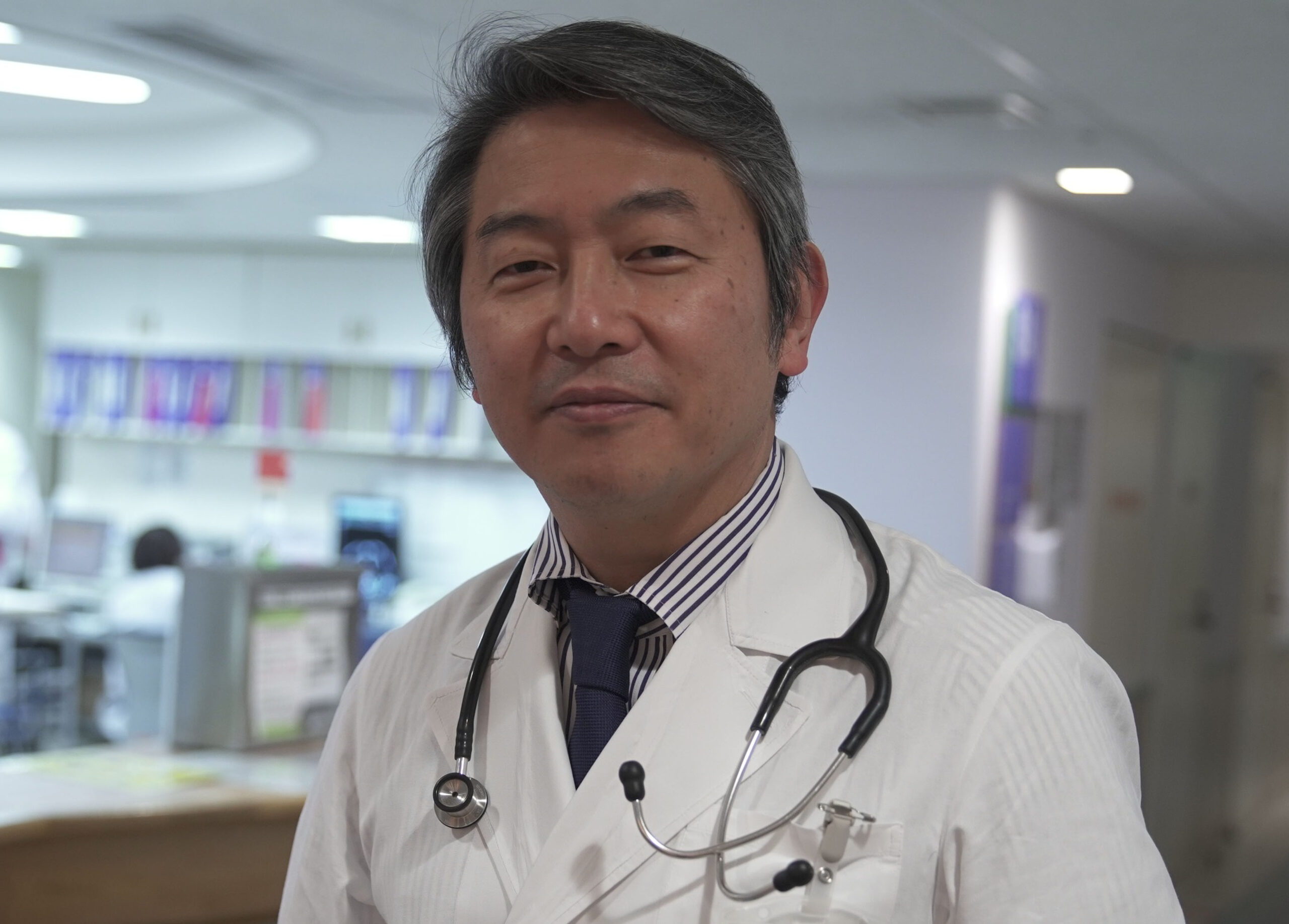
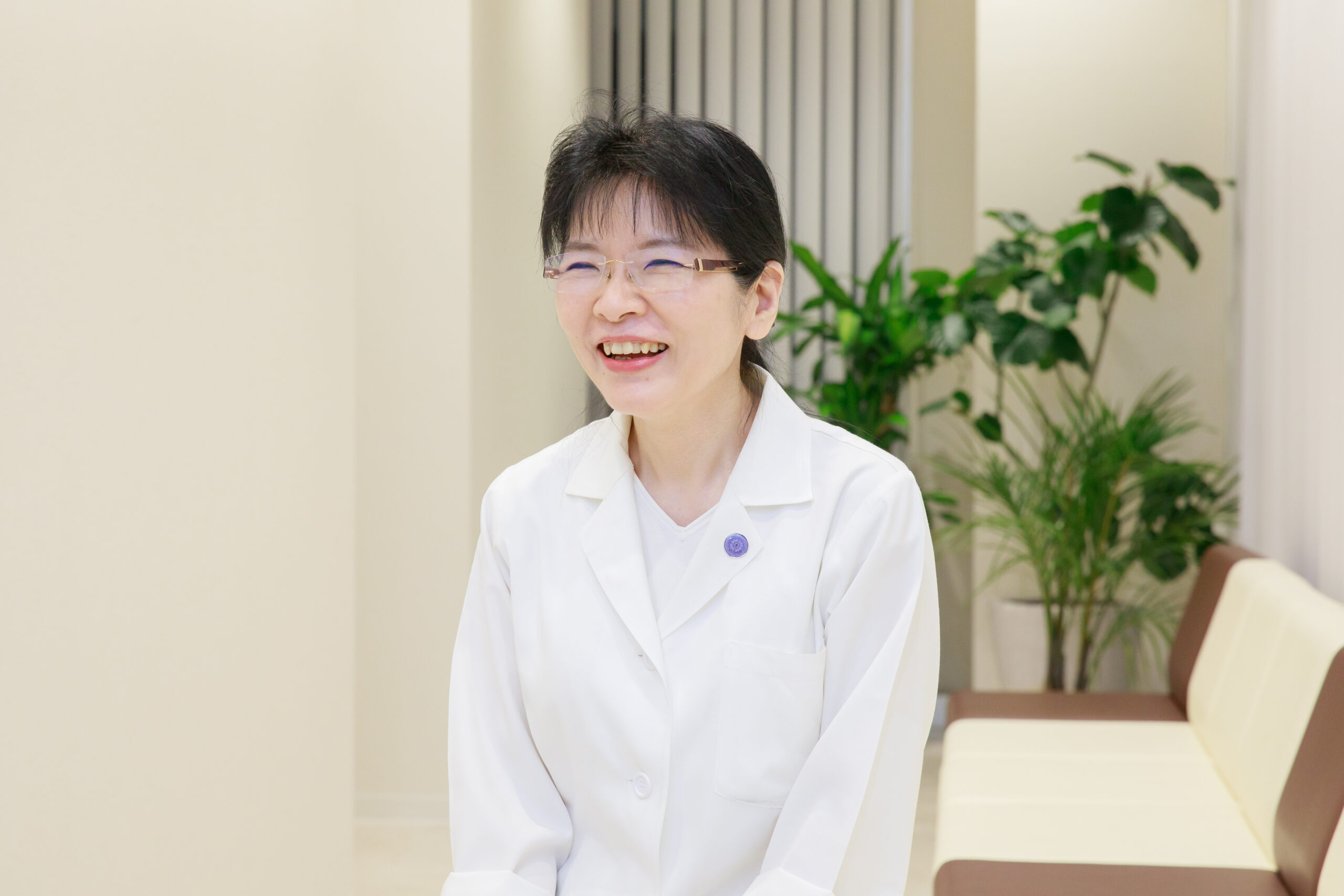
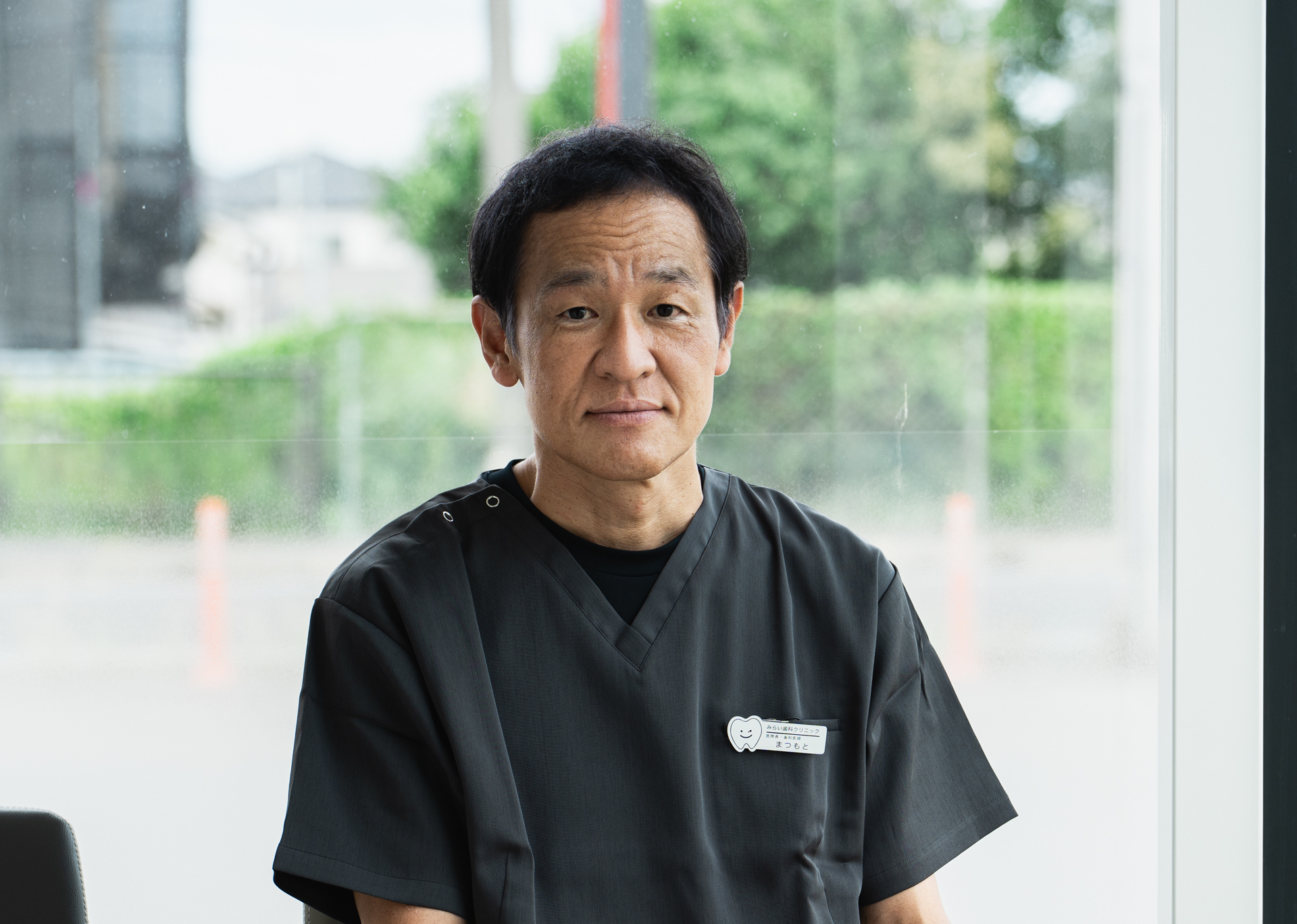
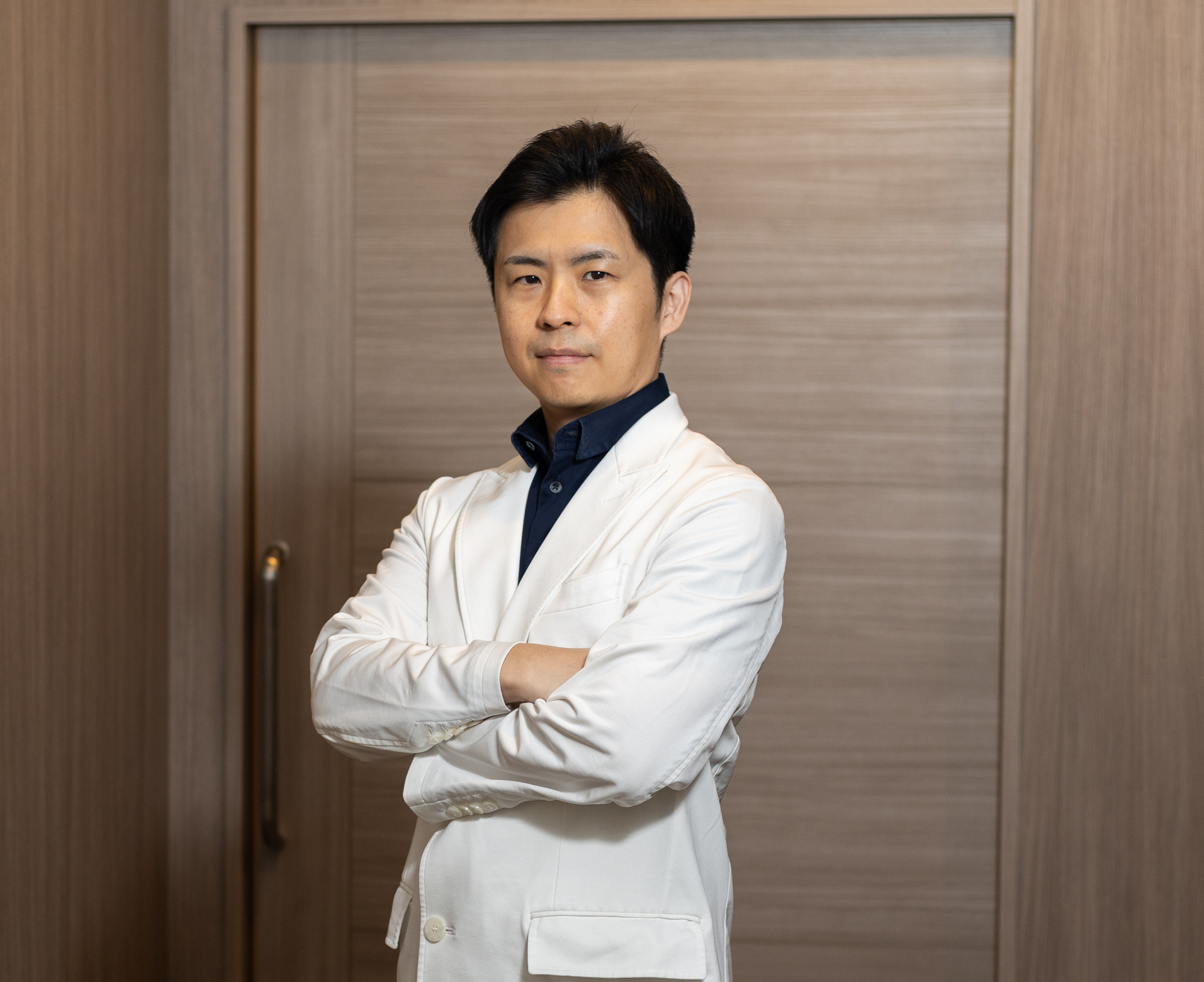
Mia Matsuzawa
Director
Kamiyacho Charis Mental Clinic, Kyoujo-kai Medical Corporation
Website:https://charis-mental.com
Psychiatrist who challenges the industry assumption that “recovery is bad for business,” instead guiding each patient toward recovery and eventual cessation from treatment.
- TOP >
- FEATURE ARTICLES >
- Mia Matsuzawa
The specialty that treats the whole person
I became a psychiatrist because it was the one field where you treat the whole person.
Medicine keeps splitting into narrower and narrower specialties, and many doctors now focus on a single organ or a single disease. Every physician trains across several fields first and picks up the basics outside their own, of course. But once you begin to practice, whether in a hospital or your own clinic, you usually settle into one area, internal medicine or surgery or the like, and build your experience there.
Psychiatry, on the other hand, takes a different approach. You sit with one patient at a time, of any age, from small children to the very old, and you try to understand them as a person. It isn’t so much about curing an illness as it is about understanding the person in front of you: who they are, what they’re struggling with. Treatment starts there. Without that understanding, there is no treatment at all. I was drawn to psychiatry by that breadth and depth.
Since I qualified, I have worked in general hospitals, in psychiatric hospitals, and in care facilities. It became clear to me that a psychiatrist is asked to do enormously different things from one institution and one region to the next.
Rural-based medicine in small communities demands broad, comprehensive care, not limited to psychiatry alone. A densely populated city rewards specialization. In a general hospital, much of the work requires coordination and collaboration with other departments. A patient may slip into delirium after surgery, or grow depressed over a long course of treatment, so I often support them in consultation with colleagues from other specialties. The job is never one fixed thing, and all of it informs the way I practice today.
The right care for the right person
In my daily work, I prioritize who the patient is as a person. That is the ideal approach to psychiatry I have built up over the years.
Psychiatry has its standard clinical guidelines, naturally. Depression follows one set of steps, insomnia another, and those conventions are the foundation; there is no arguing with that. But no two people are the same. Two patients can have an identical diagnosis and still differ in what troubles them, in the outcome they want, and in how they respond as treatment goes on. Everyone is their own case.
That is why I give a first visit plenty of time. I almost never start treatment on the first day. Before that, I ask about a patient's upbringing, their circumstances, their values, how they live now. Understanding the patient comes before everything else. From there we come to an agreement about what they are hoping to achieve, we think through how to move closer to it, and we build trust along the way.
From a business perspective, this way of working is inefficient. The more time I give each patient, the fewer I can see in a day. But a long, honest conversation at the start, and the trust it earns, makes every visit that follows a better one.
Patients vary, and even the same patient might vary from one week to the next. One day someone needs me to sit and listen closely. Another day they are fine, nothing is wrong, and they simply want their usual prescription. So I read where each person is that day, I check what they want, and I adjust the course of treatment as I go.
I provide the right care to the right person, and the right resources to the right place. And, in the end, I help people back to a life healthy enough that they no longer need me. I believe I owe that to my patients, as their doctor.
A family doctor for the mind
People come to a psychiatrist when they are suffering mentally. But psychiatry isn't a place you graduate from and leave behind for good.
Like the body, the mind goes through good spells and bad ones many times over a lifetime. Marriage, a birth, a new job, caregiving: every change brings its own worries. Even the happy milestones, getting into a good school, a first job, a promotion, can hide anxiety and fear behind the joy and expectation. You do not have to be mentally ill to want someone in your corner, or a little peace and calm. I want to be the person people think of at that moment, when they wonder if they should go and talk to someone.
One patient first came to me as an elementary school student, at a hospital where I used to work. They are grown now, out in the world and near the age of starting a family of their own, and they still turn to me whenever something comes up. That kind of long companionship belongs to psychiatry as it belongs to few other fields, and I believe a psychiatrist can be exactly that: a family doctor for the mind.
Our clinic is in the Kamiyacho area of Tokyo, so many of our patients are people who work nearby, and many of them are worn down by stress on the job. So we created a role we call the psychiatric advisory physician, partnering with companies to look after the mental health of the people who work for them.
A company's people are its real assets. Give them somewhere to talk before problems arise, and both the staff and the business are spared avoidable harm. More and more, companies tell us they had only ever heard of occupational physicians, but realized that this kind of workplace counseling was the exact support they had been missing.
Today, stress runs rampant. Neighborhoods and communities need places where people can speak about what weighs on them without much ceremony. I would like psychiatric clinics to become those places. Doing so will help protect mental health, stave off illness before it starts, and keep it from turning severe when it does show up. Even so, no amount of arranging the environment or building the systems changes the fact that the individual who faces the struggles, and navigates each day, is the patient, and no one else. But that road is never walked alone. That is what I want to keep telling people.
Hear the advice, then walk your own path
My goal for the future is to widen this way of practicing, even a little. As things stand, medical reimbursement rates and the pressures of managing the business side of a clinic, make it hard to give psychiatric care the time it deserves. I hope to find a better way and bring this approach to more clinics and hospitals.
And to the young people, I will say: don’t lose sight of what you truly want to do. When you announce, "This is what I want to do," the adults around you may temper your expectations, or hand you a stack of well-meant advice. Both come from years of hard-won experience, so try not to simply wave them away.
But their answer is not automatically yours. You are the only one who can decide the answer to your own life. I was told once that becoming a doctor would be too hard for me and that I should choose something different; I trusted what I believed, and here I am. So I would rather open up someone's possibilities than narrow them, and cheer people on as they work to realize the life they want for themselves. Step out toward your own future, with courage and with determination.