- TOP >
- FEATURE ARTICLES >
- Yoshimichi Hasegawa
“Keep on fighting.”
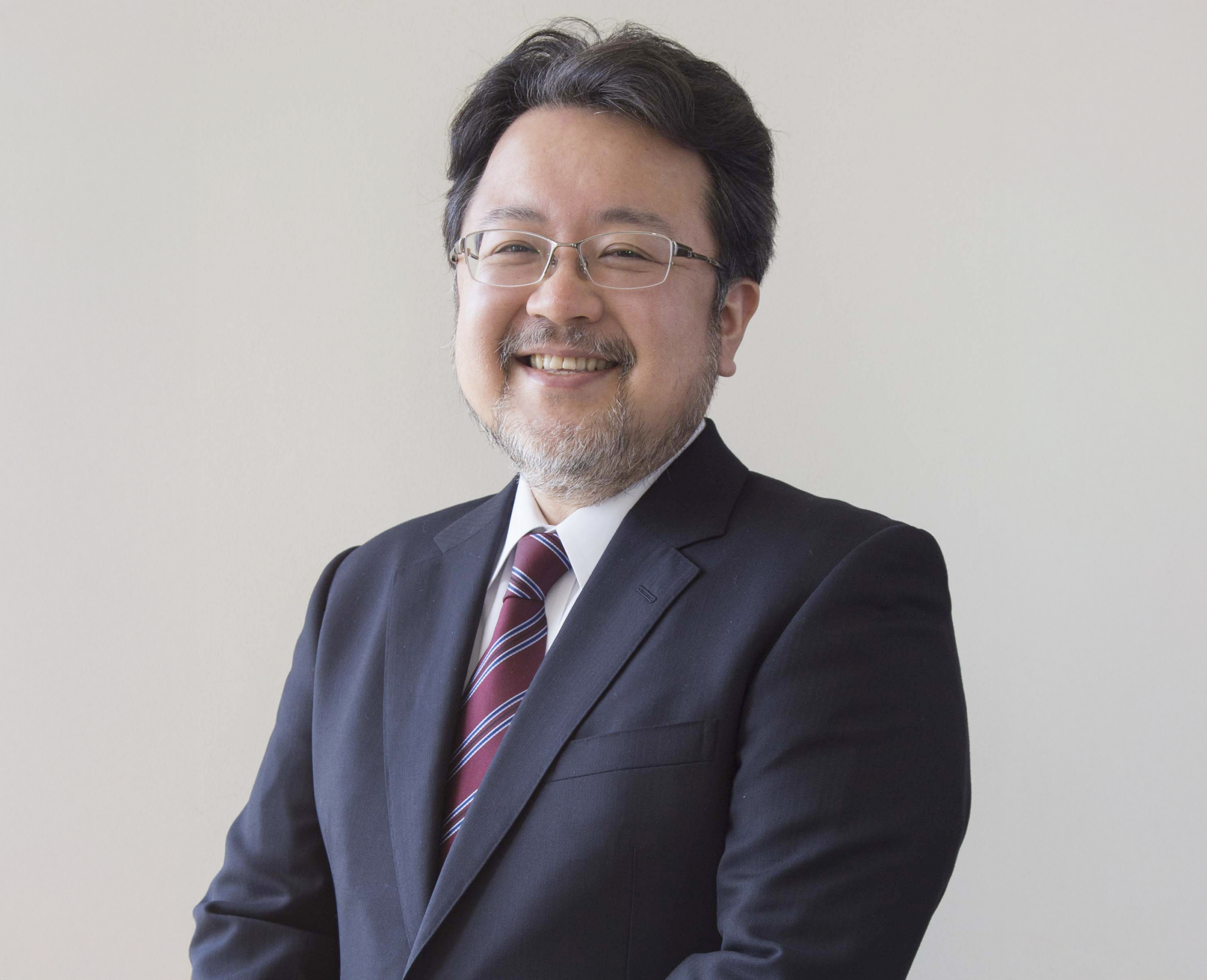
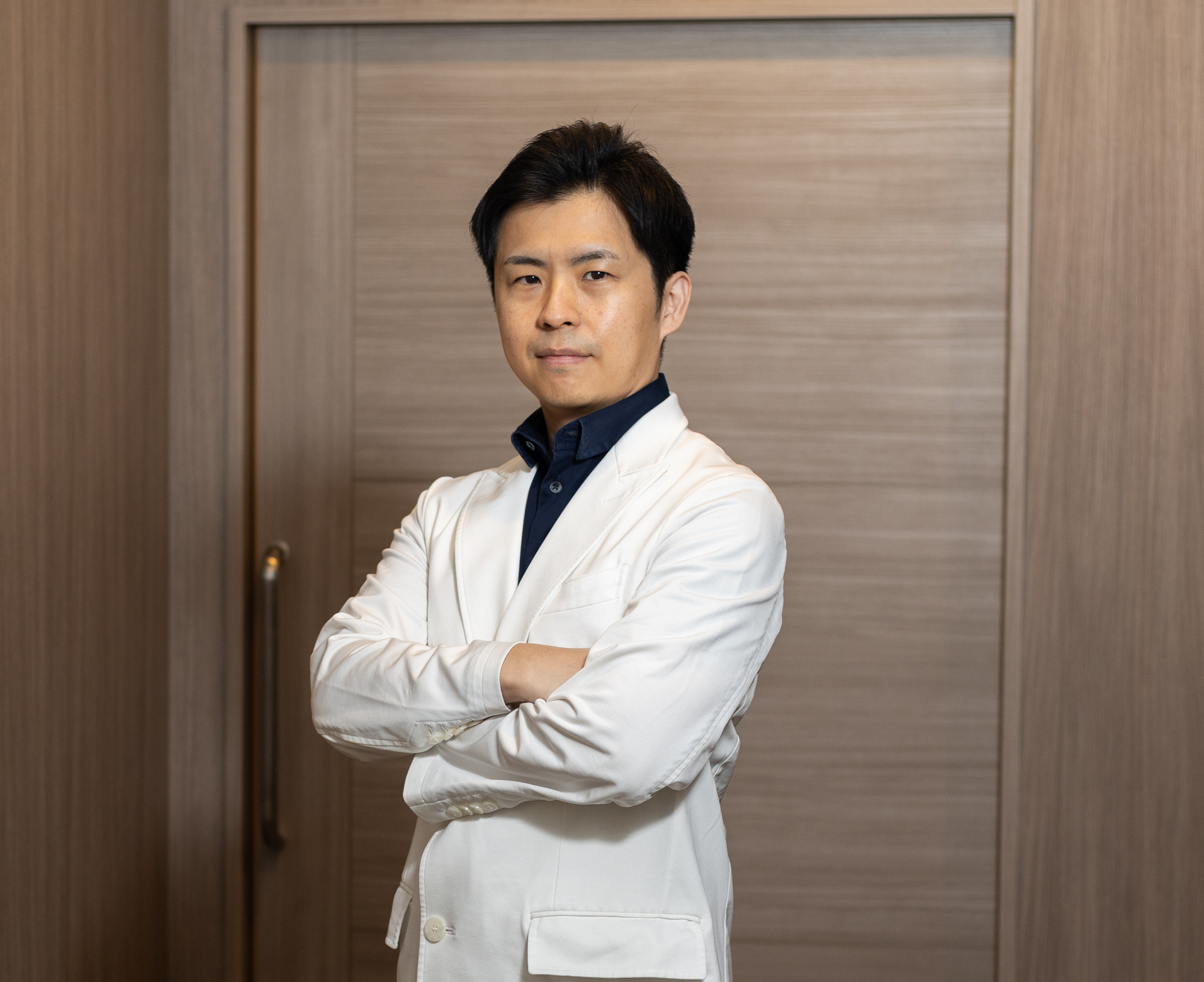
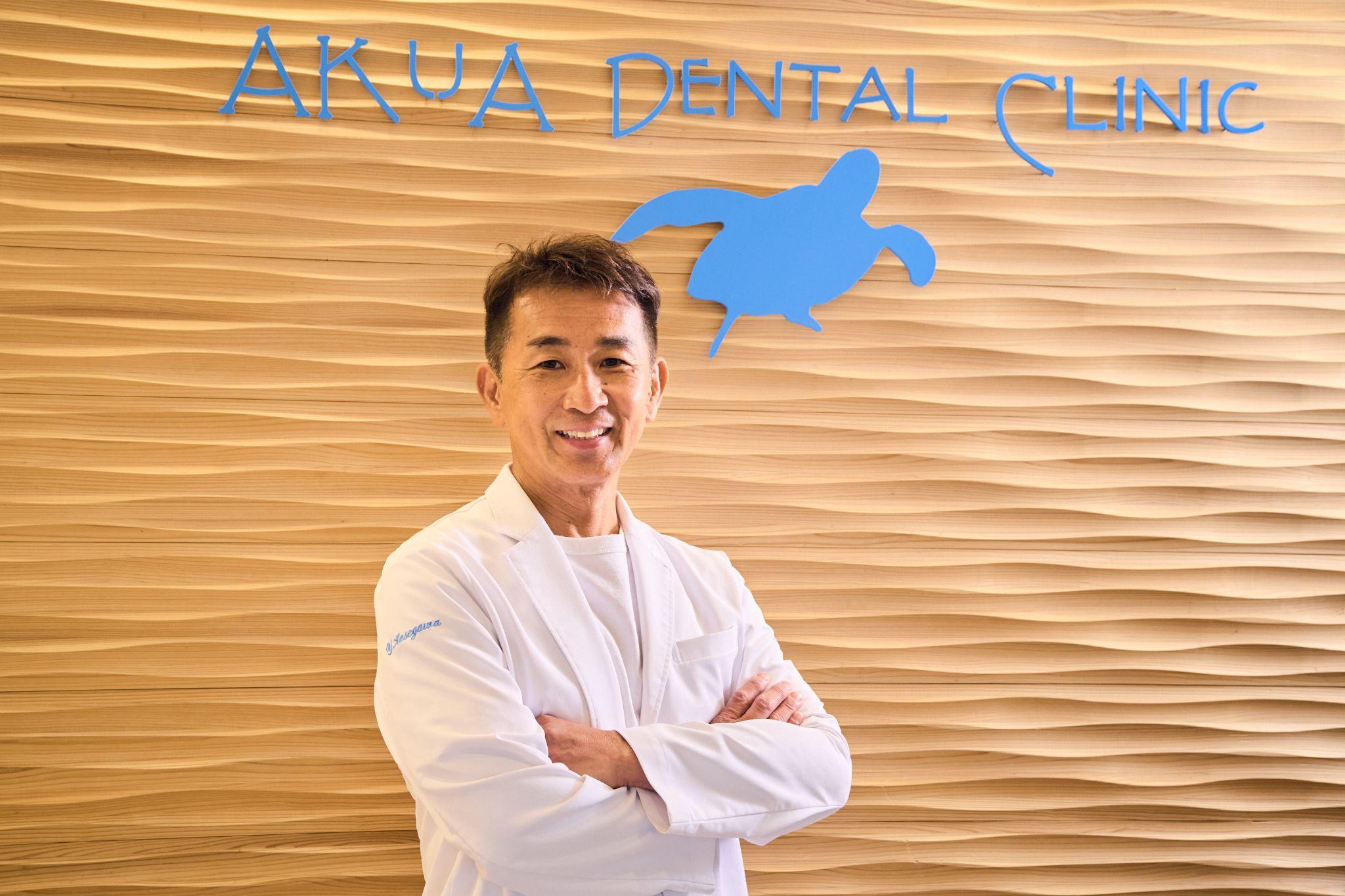
Yoshimichi Hasegawa
Director
Dentist operating a fully private practice, allowing the clinic to provide treatments truly needed by each patient.
- TOP >
- FEATURE ARTICLES >
- Yoshimichi Hasegawa
Something Only a Private-Practice Dental Clinic Can Provide
When I opened AKuA Dental Clinic in Tokyo’s Shimbashi district in 2019, I decided from the start that we would operate solely as a private-practice clinic. No insurance-covered treatments whatsoever. Six years later, that principle hasn’t changed.
Japan’s universal health insurance system is the standard for most dental care. Nearly every clinic relies on insurance-based treatments, supplementing with private options such as implants or aesthetic procedures when necessary. In contrast, AKuA Dental Clinic is an outlier. It’s a fully private-practice clinic in a system built around public coverage.
Insurance-based treatment comes with many constraints: limits on the materials you can use, the methods allowed, the treatment time per patient, and even the points allotted per month under the public system. These restrictions limit the freedom to tailor treatment to each patient’s needs.
So I asked myself: How can I provide the most appropriate care for each person who walks through my door?
The answer led me to private practice, where freedom of choice is greater and quality is never compromised by policy. My goal is to create a dental clinic where patients feel, “This treatment was made for me.”
Taking the Time to See the Whole Person
Every day, I make it a point to understand and connect with each patient’s life. Oral diseases rarely exist in isolation. Beyond poor brushing habits, cavities and gum disease often reflect other lifestyle factors such as work stress or family circumstances.
That’s why my first consultation with new patients lasts at least an hour and a half, sometimes two. We don’t begin treatment right away; I start by asking in detail about their routines, medical history, and sources of stress. Only after I have a clear picture of who they are do I design a treatment plan. Dentistry, for me, starts with understanding the person behind the teeth.
Inspiring Patients to Think About Health
Every patient’s life is different. Their habits vary by age, gender, and occupation. A salesperson constantly on the move has a very different oral environment than a stay-at-home parent managing housework and childcare. Even small differences in routine can alter the risk of cavities or periodontal disease.
Past medical history is equally important. Hormonal changes from gynecological conditions or surgeries, for example, can affect oral health. That’s why I aim to treat the whole person, not only their teeth. The goal is to encourage patients to reflect on their overall health through their dental care.
How COVID-19 Changed Daily Habits
Since the pandemic, many of us have had to adapt to new lifestyles—avoiding close contact, wearing masks, and working remotely. Staying home more often blurred the timing of daily oral care. People who used to brush after meals at the office might skip it at home, thinking, “It’s just me; no one will notice.” Over time, those small lapses accumulate, allowing gum disease and cavities to progress unnoticed.
While I don’t have formal data, I’ve seen a clear rise in such cases. Another issue that’s grown since the pandemic is concern over bad breath. Patients, many in their twenties and thirties, come in saying, “I feel like my breath has gotten worse lately.” Often, the cause stems from lifestyle changes, stress, or sometimes underlying internal conditions. Even a symptom as ordinary as bad breath can signal broader issues in a person’s health and daily life.
Reducing Patient Burden Through Intensive and Painless Care
Our clinic’s philosophy is to approach treatment in light of the patient’s entire lifestyle. Two of our signature approaches are short-term intensive treatment and pain-free dentistry.
Short-term intensive treatment involves creating a plan right after the first consultation and completing procedures as efficiently as possible. Many people assume dental care must be a long, drawn-out process, but we strive to minimize treatment time and reduce the burden on busy professionals.
Pain-free treatment, as the name suggests, minimizes discomfort by using intravenous sedation to induce a semi-conscious, relaxed state. This method greatly reduces pain, fear, and tension during procedures such as implants, periodontal surgery, and wisdom tooth extraction. It can also be applied to routine dental work.
Because we operate outside the restrictions of insurance, we can adapt these methods to each patient’s needs with complete flexibility.
Serving International Patients
Initially, our patients came mainly by referral, including from nearby prefectures like Chiba, Saitama, and Kanagawa. Lately, more patients have found us online, especially those living or working around Shimbashi, Ginza, Toranomon, and the wider Minato area. After we redesigned our website and added clinical photos, inquiries for implant and cosmetic dentistry increased significantly. I believe that transparency, combined with my experience performing over 4,000 implants and my certifications as a specialist and instructor, has helped build trust.
We also treat international patients. We’ve prepared English-language forms and materials, and I’ve been taking medical English lessons myself after realizing the importance of clear communication. That moment came when a non-Japanese-speaking patient visited and I couldn’t fully explain the procedure. It motivated me to improve. We’re now preparing Chinese-language support as well, in cooperation with local agents, so all patients, regardless of language, can receive care with confidence.
Looking Ahead: Expansion and Social Contribution
Looking to the future, I’m considering expanding to Osaka and Fukuoka. I know Osaka well from past work and understand the local needs, and Fukuoka is my wife’s hometown, where I have a trusted network.
To make that vision real, I need to train reliable doctors who share my approach and can work as a cohesive team. My concrete goal is to open an Osaka branch within three years, paving the way for further growth.
Outside my professional practice, I’m also passionate about supporting children. Raising my own child has made me more aware of the struggles many families face, especially those without adequate support. Through social media, I’ve seen how real and urgent these issues are. I’ve begun donating supplies to infant care facilities and am preparing to volunteer as a dentist when needed.
Rather than acting on impulse, I plan each step carefully, keeping a long-term vision in mind. Ultimately, I hope to build a future where dentistry and social contribution go hand in hand.