
- TOP >
- FEATURE ARTICLES >
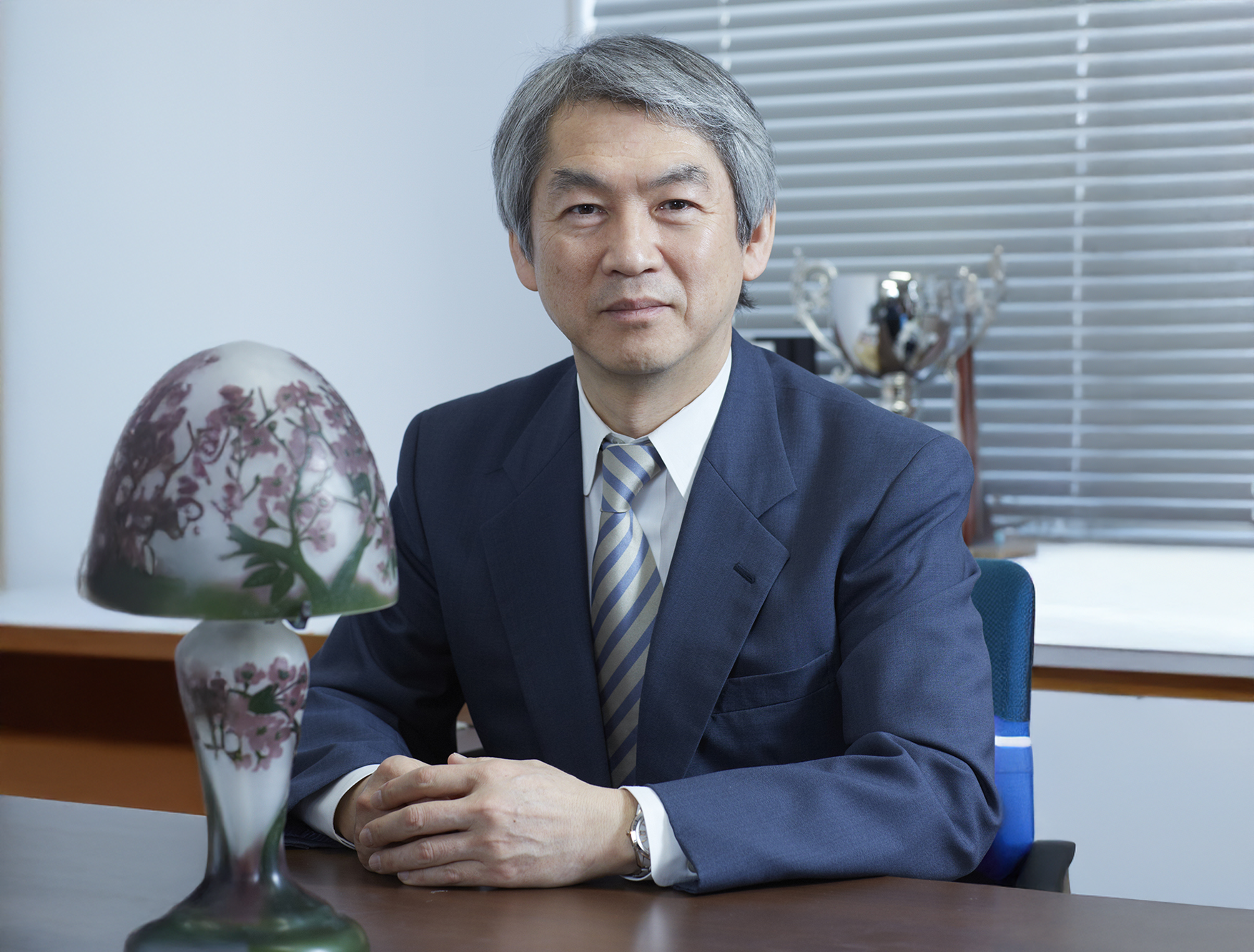
- Yoko Kato
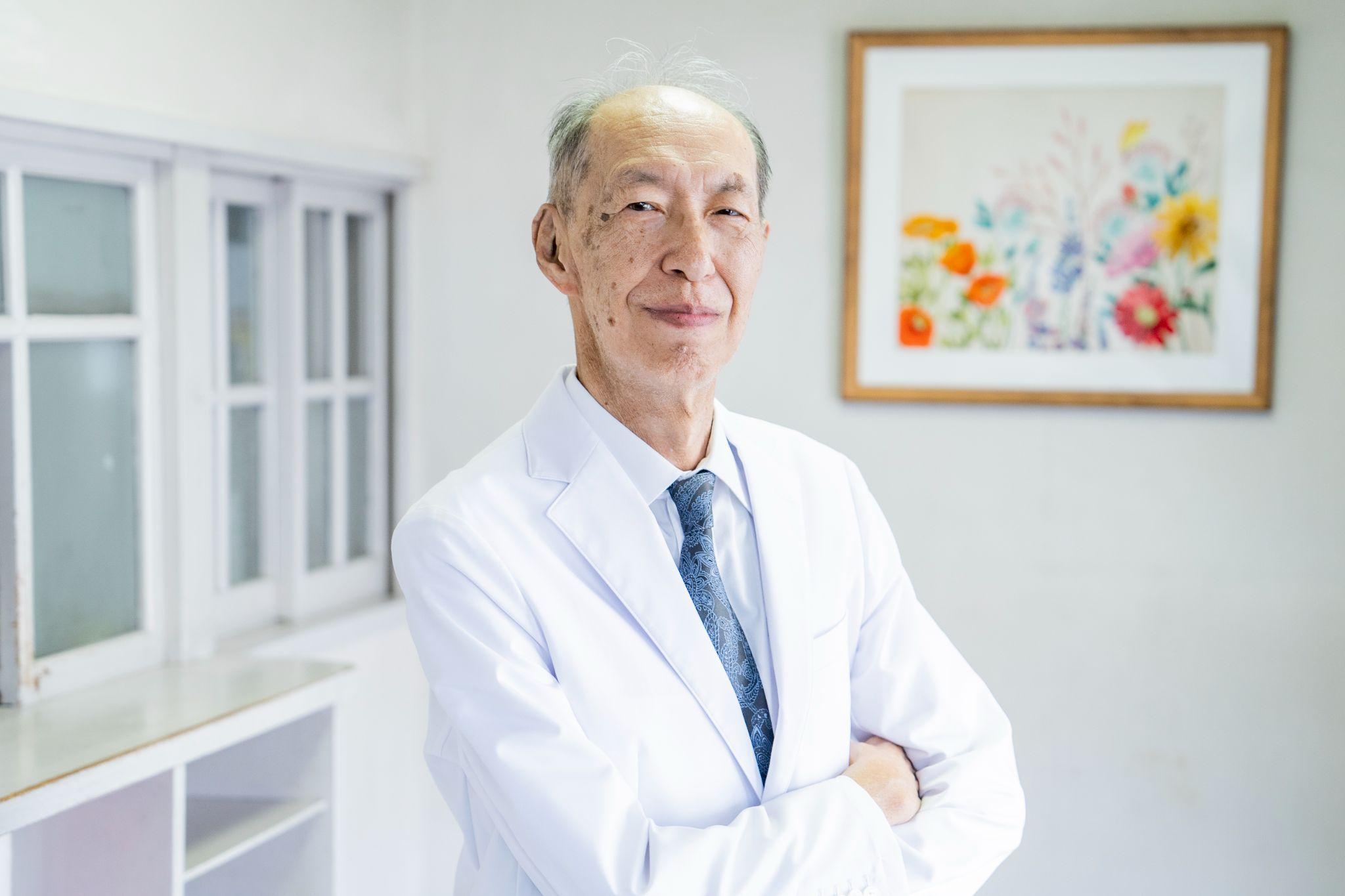
“Give your all to everything you do.”
Yoko Kato
Professor
Department of Neurosurgery, Fujita Health University Bantane Hospital
Website:https://bantane.fujita-hu.ac.jp/
Renowned neurosurgeon known as the “Godmother” of brain surgery, performing over 3,000 aneurysm clipping operations.
- TOP >
- FEATURE ARTICLES >
- Yoko Kato
Carrying the Baton Passed Down Through Generations
Patients who come to the hospital are weakened in both body and spirit. No matter their social standing or personal accomplishments, when they sit across from a doctor, they are at their most vulnerable. In that moment, I believe the physician’s first responsibility is to understand the patient’s heart and show compassion.
Doctors are trained to focus on injuries and illnesses, and of course that is essential. But just as important is trying to grasp who the person in front of you really is. That, too, can offer clues for treatment. I ask myself what is missing in their heart, and how that absence can be filled. It may look like a meaningless exercise, but I believe it leads directly to healing.
This philosophy has been passed down to me from my predecessor, Professor Kimihisa Sano, and his predecessor, the late Tetsuo Jinno. I learned an extraordinary amount from both of them. Now it is my responsibility to carry their baton forward to the next generation.
Reforming How Doctors Work
In April 2024, Japan introduced a new system to reform the working conditions of physicians. Its true impact will only become clear over the medium and long term. But compared with the days of Professors Jinno and Sano—when working 24 hours straight or even living in the hospital for a week was the norm—this is a major change.
The goal is a more sustainable work-life balance and greater efficiency. Yet the reality is that there simply aren’t enough doctors. Physicians are in short supply across every specialty, and there’s no quick fix. That is why training nurse practitioners (NPs) is essential.
NPs occupy a space between doctors and nurses. They can assist in surgery, administer insulin, and perform a range of other tasks under a physician’s supervision. If we can expand their role, doctors will be free to focus on core responsibilities, improving efficiency.
I became a neurosurgeon because I love the work, and I’ve never viewed it negatively. But doctors are human beings, too. We need to safeguard our own physical and mental health, or we risk losing the ability to treat patients with precision.
How Minimally Invasive Procedures Boost Efficiency
Another factor driving efficiency is the shift toward minimally invasive treatments. In neurosurgery, for example, open-skull aneurysm clipping is increasingly being replaced by catheter-based procedures. These minimize damage to the body, reduce the burden on patients, and improve outcomes.
Radiation therapy has also advanced, allowing treatment with lower doses. Operations can now be performed more quickly. A single craniotomy might take the same amount of time as three catheter procedures. We have entered an era where treatments are not only less invasive but also faster.
That said, catheter procedures are not universally superior. In unexpected emergencies, an open operation performed under direct vision can be more effective.
Still, I believe minimally invasive treatments—along with AI, robotic surgery, and remote support by specialists—will play a vital role in solving long-standing challenges in medicine.
Creating Space for Women in Medicine
Society talks often about diversity, but in the medical field, progress feels slow. Gender disparities remain especially stark. Many department chairs are men, and in surgical fields, the physical demands of the job create additional barriers for women. As a result, women are often overlooked.
I once surveyed female doctors who had left neurosurgery. The most common reasons were: “My boss disliked me” or “My boss didn’t value my presence.” Medicine, like many Japanese industries, remains male-dominated, and women still struggle to find equal footing.
Of course, men and women have different strengths, and it is not always about making everything the same. But for women to thrive, leaders—mostly men at present—must begin with conscious reform.
At the same time, pregnancy and childbirth are uniquely female experiences. How women navigate those events, and how institutions support them through maternity leave and return-to-work programs, must be addressed with real systems in place.
Look Beyond Japan’s Borders
Several members of my team are international students from India and Bangladesh. When I see photos from their home countries, I am struck by how modern and vibrant the cities are—sometimes even more developed than Nagoya. The rapid pace of growth far exceeds the outdated images we might hold.
China, too, is surging ahead, with exceptional talent and infrastructure. I urge young doctors to see such places for themselves.
Equally important is mastering English. Many can manage a speech if they prepare, but during Q&A sessions, they falter. In some countries, “leadership” itself is taught as a course because it is essential for team-based medicine.
I encourage the next generation not to confine themselves to Japan, but to build the skills needed to thrive on the world stage.