- TOP >
- FEATURE ARTICLES >
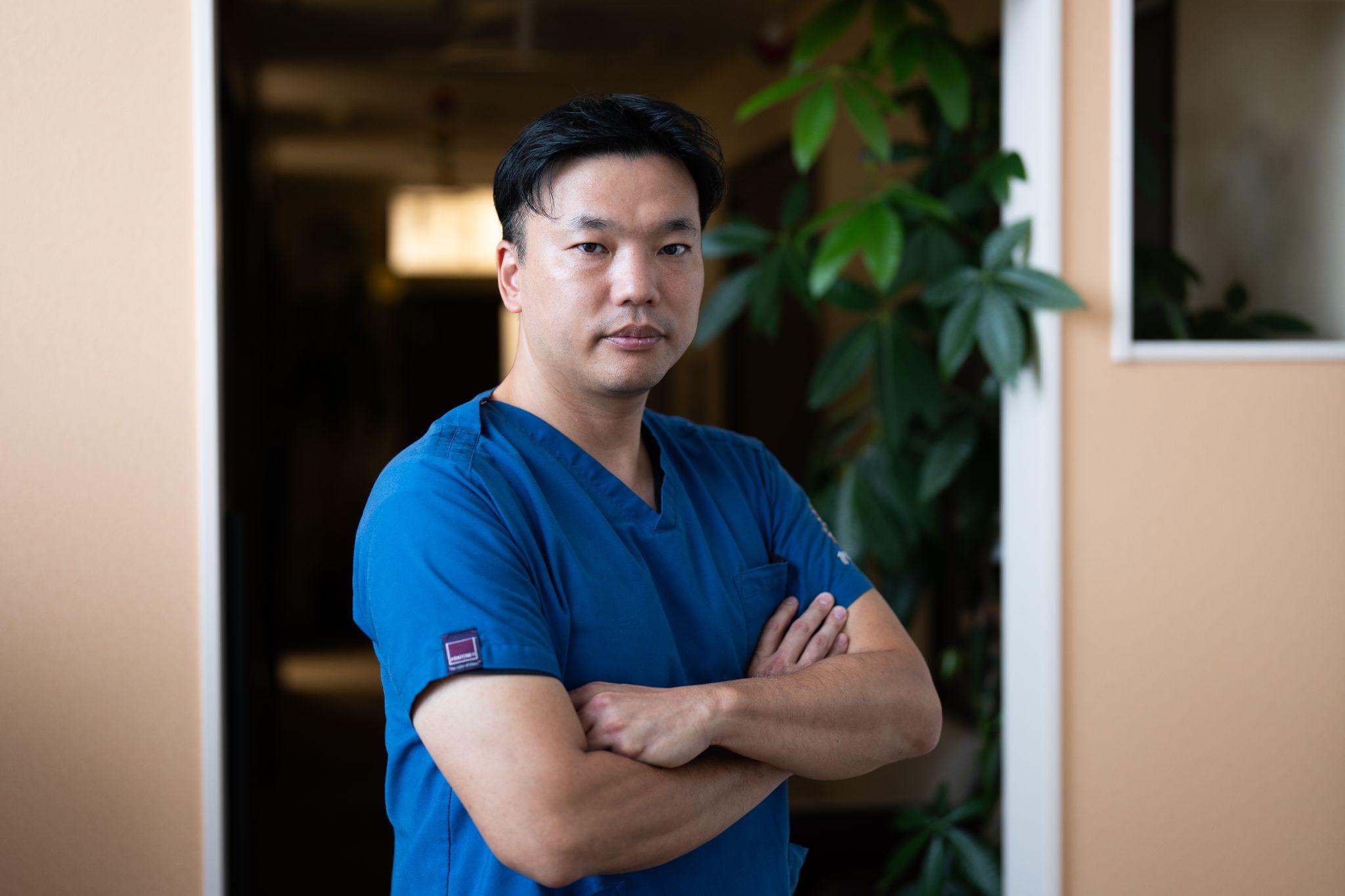
- Yohei Fujita
“No growth without turning thought into action.”
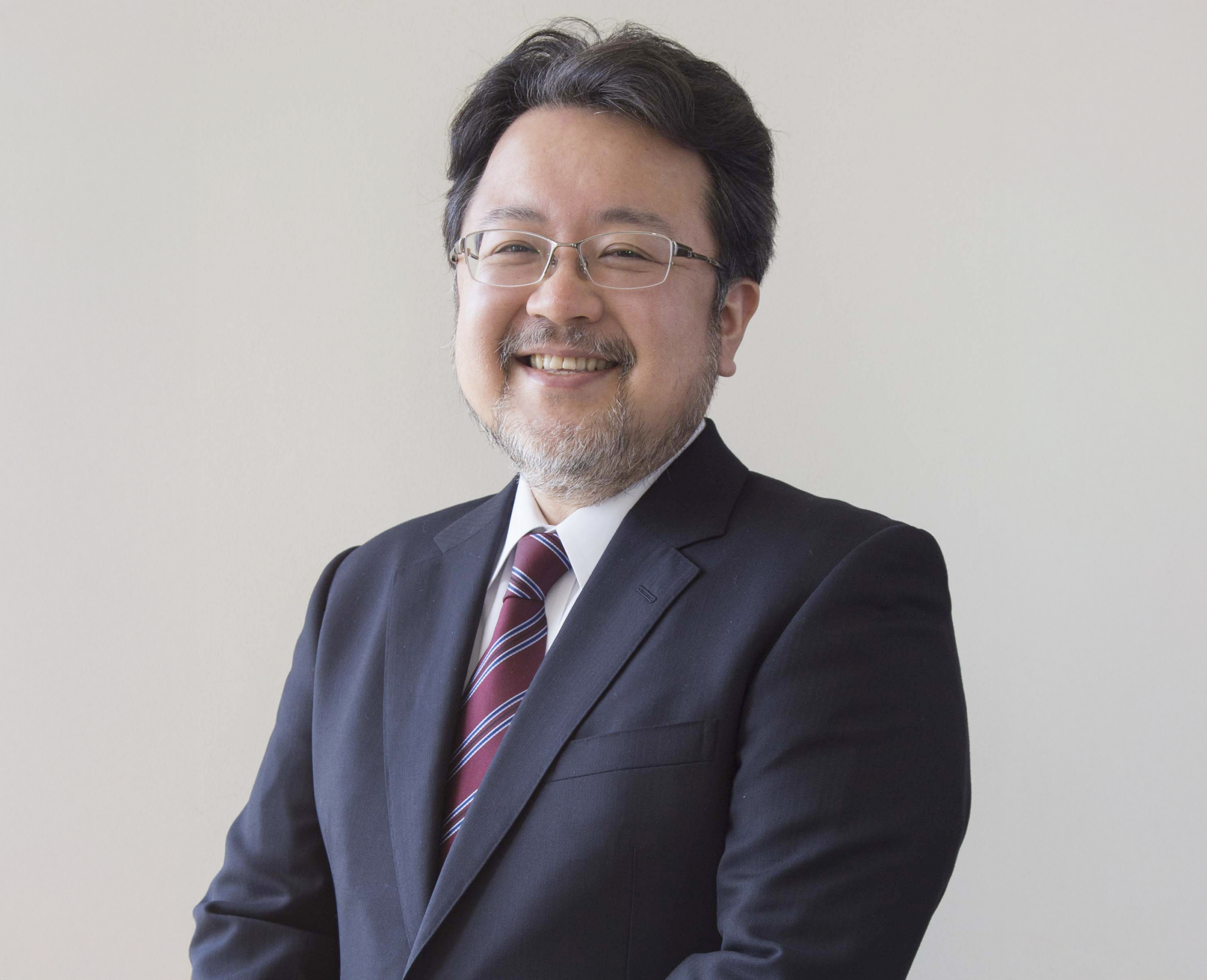
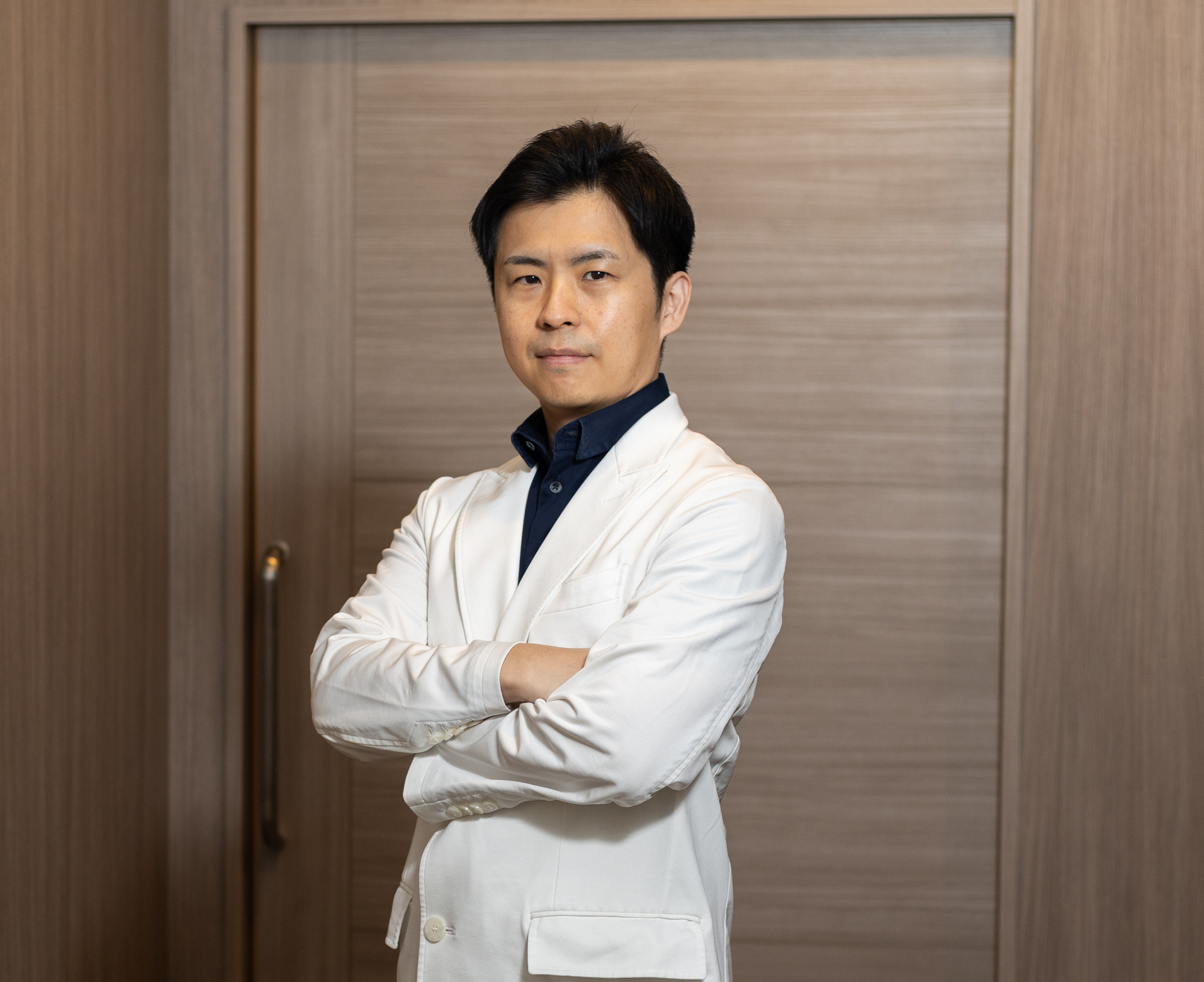
Yohei Fujita
Chairman
Ohisama Dental Clinic, Seiyō-Kai Medical Corporation
Website:https://ohisama-dental.jp/
Dentist focusing on the relation between dental and general health, working to deliver the best patient outcomes
- TOP >
- FEATURE ARTICLES >
- Yohei Fujita
Prioritizing Evidence, Earning Trust
There are several principles I hold dear in my daily practice. First, I provide treatments grounded in solid scientific evidence. Second, I strive to fully understand each patient’s oral condition. And third, I make it a point to listen carefully to what my patients say. Ultimately, these all lead to one goal: ensuring that every patient receives a treatment plan they truly understand and agree with.
It may sound obvious, but in medicine, no treatment has meaning unless the patient accepts and consents to it. That’s why I take time to explain each treatment plan thoroughly and ensure patients understand what’s being proposed.
Evidence is essential in that process. I explain what the patient’s current condition is, what treatments are effective, and what outcomes to expect afterward. When I can back up those explanations with clear evidence, patients feel reassured and confident moving forward.
But evidence alone isn’t enough. Each patient has unique hopes and priorities. Some just want their pain relieved; others are determined not to lose any more teeth. Then there are patients who say, “Even if it means dentures or implants, I just want to enjoy eating again.” My role is to consider those wishes and balance them with the available evidence, creating a plan that meets both.
Making Treatment Easier to Understand
At our clinic, the process begins with an accurate assessment of each patient’s oral condition through detailed examinations. From there, I determine the most suitable treatment options. At this stage, I take time to ask what the patient is struggling with and what outcome they hope for. Once we agree on a plan, treatment begins.
Many people find dental care intimidating because they don’t understand what’s being done. They may even think of dental clinics as places they’d rather avoid. But once patients understand the overall flow of treatment and what’s coming next, their anxiety eases.
That’s why we put great effort into making every explanation as clear as possible. We use printed materials, videos, and even footage captured with a dental microscope to visualize what’s happening inside the mouth. By showing patients what we see, we make the process transparent, turning it into something that builds comfort and trust.
Technology That Serves the Patient
Advanced equipment also plays a major role at our clinic. Our dental microscope, for example, magnifies up to twenty times, allowing us to see details invisible to the naked eye. This precision makes a huge difference in root canal therapy, where we remove infected tissue from within the tooth. Seeing every fine structure helps us avoid leaving nerve tissue behind and improves success rates.
We’ve also embraced digital technology for creating dental restorations. In the past, impressions were taken with alginate or silicone molds pressed against the teeth—a process that could feel uncomfortable or even trigger gag reflexes. Now we use an intraoral scanner to capture optical impressions. The data is processed in 3D, and restorations are milled on-site. This reduces patient discomfort and allows for faster turnaround, with easy adjustments later if needed.
We also pay careful attention to pain management. Dental treatment often carries the stigma of being painful or frightening, so we offer intravenous sedation for certain procedures such as wisdom tooth extractions and implant surgeries. With this method, patients remain relaxed throughout treatment, and most tell us afterward that it wasn’t painful or scary.
Oral Health and the Body’s Health
It’s now well established that oral health is closely connected to overall health. During initial consultations, I explain how conditions like periodontal disease can affect diabetes or how the number of remaining teeth can influence dementia risk. I also repeat these explanations during follow-up maintenance visits, emphasizing how oral health supports systemic well-being.
Naturally, this means collaboration with other medical specialties is key. Thanks to my experience at a university hospital, I can coordinate with specialists in diabetes and cardiology to ensure patients receive the best possible care.
Awareness of the link between dentistry and internal medicine is growing among the public, but there’s still work to be done. That’s why I’m committed to ongoing outreach through books, newspapers, and online platforms.
Language barriers can make dental visits especially daunting for those whose first language isn't Japanese. While many of my international patients speak Japanese, I also communicate in English when needed. I encourage anyone—regardless of nationality—to seek care rather than postpone it. Dental problems can easily affect overall health, and even routine maintenance offers lasting benefits.
Spreading Warmth, Like Sunlight
The name “Ohisama Dental” comes from ohisama, meaning “sun.” I want everyone connected to our clinic—patients, staff, partners, and the local community—to feel that same warmth. My goal is to spread smiles and positivity, contributing to society in that spirit.
I also hope to help more people understand the importance of dental health. Change takes time, but progress is steady, and I’m committed to the long-term effort.
Staffing shortages and urban migration have become major challenges across Japan. Having grown up here in Ehime, I feel a strong responsibility to revitalize our region through dentistry. One day, I’d like to build a network of like-minded medical professionals across the country. For now, though, my focus is on strengthening our foundation—step by step, steadily, and with care.