- TOP >
- FEATURE ARTICLES >
- Takamichi Mitsutake
“When Xun Lingjun visited a household, the fragrance lingered for three days.”
— A saying meaning that a virtuous person leaves a lasting presence wherever they go.
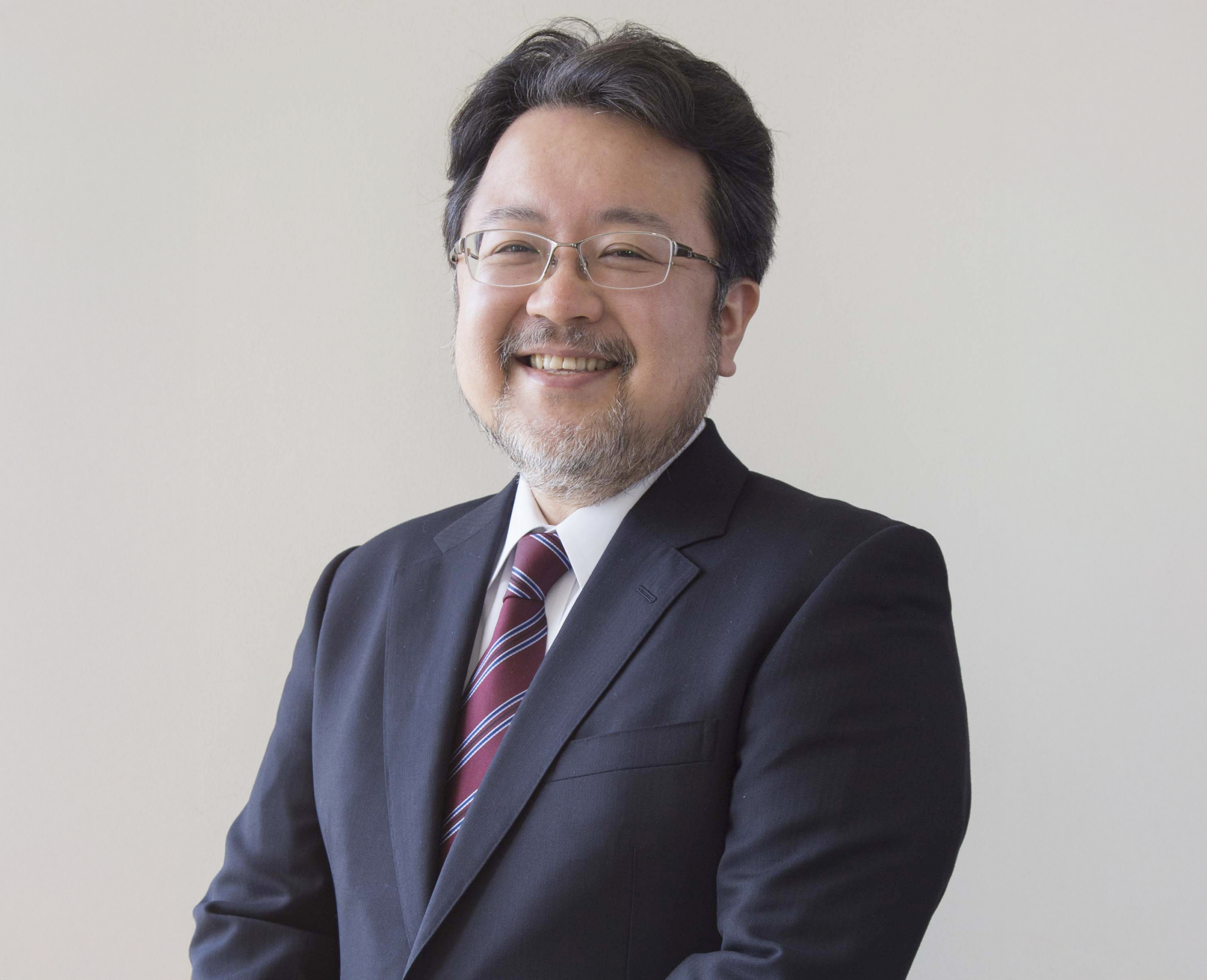
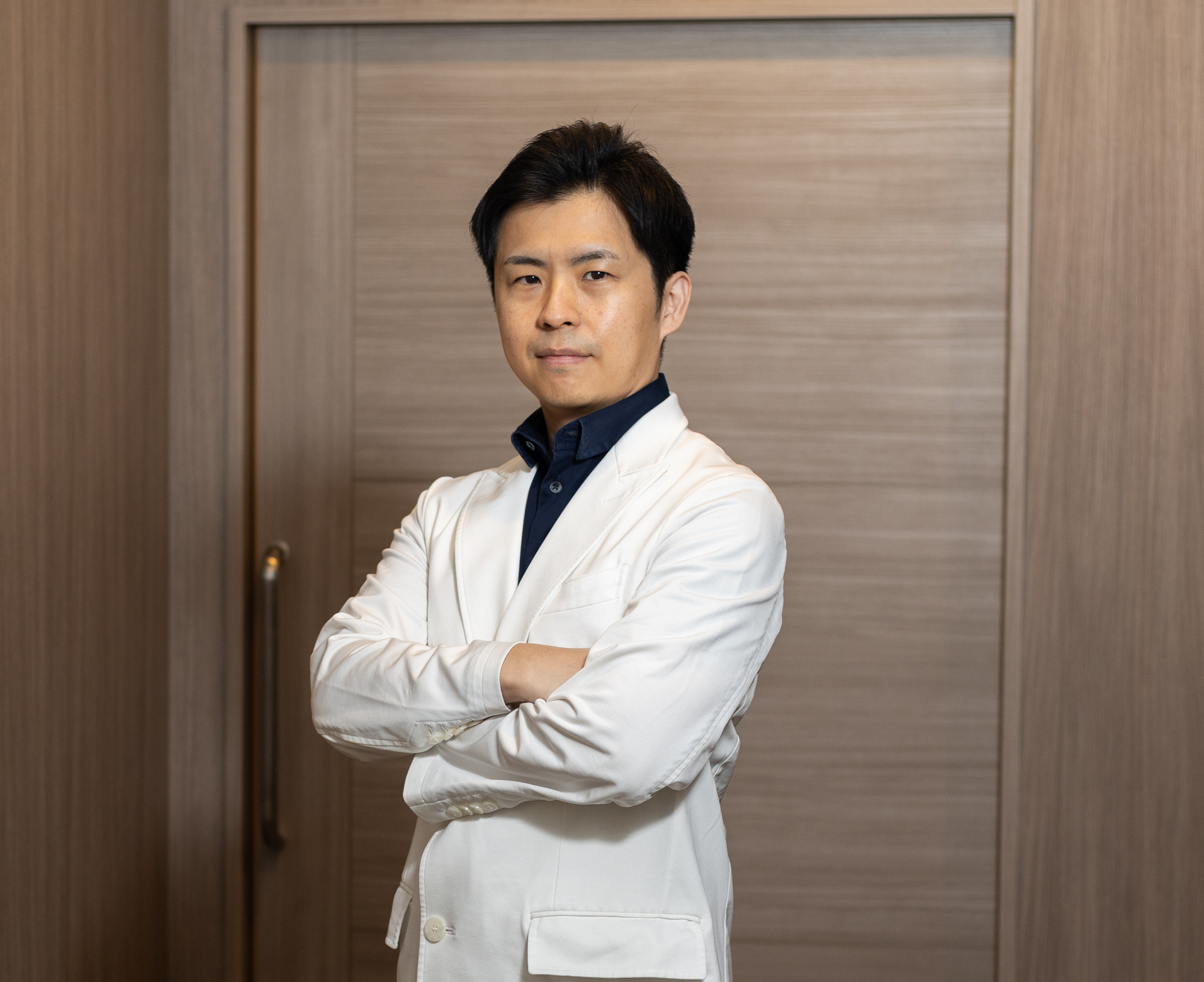
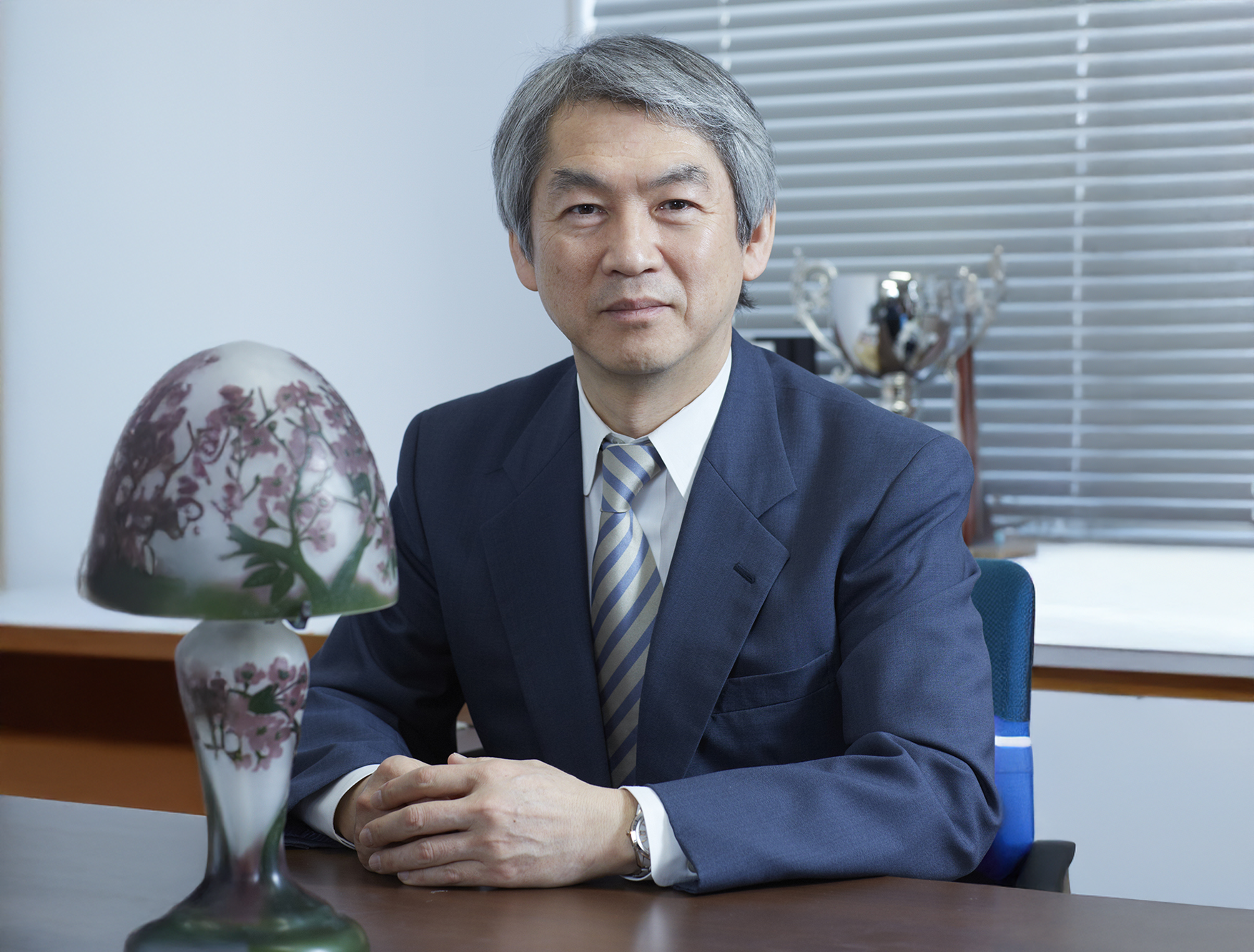
Takamichi Mitsutake
Chairman
Mitsutake Internal Medicine & Cardiology Hospital,
Gensyu-Kai Social Medical Corporation
Website:https://www.gensyukai.or.jp/
Manages a hospital on Iki Island. He is redefining rural healthcare through hospital-centered urban development.
- TOP >
- FEATURE ARTICLES >
- Takamichi Mitsutake
Intro Biography
Based on Iki Island in Nagasaki Prefecture, Dr. Takanori Mitsutake leads Gen Shūkai Medical Corporation. Through innovative management strategies, he is pioneering a new model of community building centered around the hospital.
Building the Core of Community Healthcare in Iki
Iki City, an island of about 139 square kilometers off the coast of Nagasaki Prefecture, is a rolling landscape with vast rice fields in the southeast. Known for its sea, the famous Monkey Rock, ancient shrines, burial mounds, ruins, and local delicacies such as sea urchin, Iki beef, and barley shōchū, the island is also beloved for the warmth of its people. Though close to the mainland and well connected by ferry, Iki faces the same challenges as much of rural Japan: a declining and aging population.
Gensyu-Kai Medical Corporation consists of the 88-bed Mitsutake Internal and Cardiovascular Hospital, the Kōfū Geriatric Health Services Facility, and a comprehensive Home Care Support Center, together forming three divisions and sixteen offices. With over 300 staff, Gensyu-Kai provides a continuum of care, from outpatient, emergency, and inpatient services to rural and home-visit medicine, nursing, and long-term care. The goal is to ensure that every island resident can access reliable medical care wherever they are.
For advanced or hyperacute cases that exceed the island’s capacity, patients are transferred by helicopter or boat to facilities on the mainland. At the same time, we work in close partnership with other local hospitals, maintaining a network that supports life and livelihood across all of Iki. This is the mission we have inherited: to be the lifeline of our island community.
Shaping a 100-Year Vision
Our hospital was founded in 1948 by my grandfather, Gentarō. Alone, he handled every aspect of care—outpatient visits, hospitalizations, and house calls—devoting himself entirely to the people of Iki. My father, Arahito, built on that foundation by expanding staff, strengthening the organization, and opening new facilities. He focused on cultivating human resources and advancing local healthcare.
I grew up watching them both and spent my childhood on Iki until graduating from high school. While my father’s hospital specialized in cardiovascular medicine, I was drawn to surgery because I admired the energy and resilient spirit of the surgeons I met during my training.
After refining my skills at hospitals in Fukuoka and Kagoshima, I returned home in 2013 when my father fell ill. From my grandfather and father, I inherited an important lesson: “Always treat the person before you with sincerity.” That principle remains at the heart of everything I do.
In 2023, I assumed the role of chairman and took the first step toward our centennial goal. Gensyu-Kai now carries forward its founding ideals while embracing innovation. We want people to look at what we’re doing and say, “That’s unbelievable! How is Gensyu-Kai pulling this off?” Our ambition is to transcend the boundaries of a medical corporation, and from Iki, reach Japan—and the world—with three bold initiatives.
The “Starbucks Project,” A Hospital Without Walls
Many hospitals on Iki are aging, and rebuilding them is financially difficult. However, a hospital can serve as the center of a town, a hub that revitalizes the community and slows population decline. That potential is why I decided we had to move forward.
Working closely with our newly elected mayor, we are planning a hospital that will be indispensable to the region. I want it to be a place where people can drop by for coffee, read a book while waiting for a checkup, or simply enjoy being there. A hospital that naturally blends into everyday life.
The “Disney Project,” Making Dreams Come True
Our second initiative began with a 100-year-old patient who was bedridden but had one last wish: to visit Tokyo Disneyland again. She had gone every year with her daughter until she was ninety-two. I told her, “Let’s make it happen.”
We formed a project team to explore how to safely transport her, manage her care, and prepare the necessary equipment. Everything was ready, but just before the trip, she passed away. Even so, her family and our staff shared something profound.
This experience became the seed for the “Disney Project,” a commitment to deliver unforgettable experiences and moments of joy. We want patients and staff alike to feel that sense of wonder—the kind that makes you say, “I’m glad I’m here.”
The “Doraemon Project,” Innovation from Iki to the World
The third initiative takes inspiration from Japan’s beloved robot cat, Doraemon. The “Doraemon Project” is our effort to advance medical digital transformation (DX) and bring futuristic ideas to life.
Our first steps included introducing iPhones within the hospital and using the LINE messaging app for appointment bookings and telemedicine with remote islands. In 2025, we entered a partnership with Fujitsu, one of Japan’s leading IT companies, to integrate Gensyu-Kai's medical data with Fujitsu’s AI and analytics capabilities.
Our initial joint project focuses on optimizing bed control. Within just one month, a prototype was completed. Once fully implemented, the system is expected to dramatically reduce the workload of medical staff and maintain hospital operations even with half the current number of employees.
We are also extending this system to home-based care, allowing us to manage hospital and at-home patient data in a unified way and make swift, informed decisions about where each patient can receive the best care. This island-born medical DX could become a model for all of Japan and, one day, for the aging societies of the world. I believe this “Iki Model” will help redefine how technology supports healthcare everywhere.
The Power of Shared Passion
What truly moves me is how many of our staff have embraced these projects. When I first surveyed our roughly 300 employees, more than 20 percent volunteered to participate. That far exceeded my expectations. Now, new projects emerge almost every month. Teams gather on their own initiative, brainstorming with real enthusiasm.
Our organization runs on purpose, not orders. That, I believe, is Gensyu-Kai's greatest strength and pride.
A New Vision of Healthcare, Where People and Dreams Converge
The hospital I envision is one that doesn’t feel like a hospital at all—a place where patients find hope and possibility, where staff can thrive with a healthy work-life balance, and where the community’s future can take shape.
There are still uncharted worlds and unopened doors ahead. Life is a kind of treasure hunt. But I believe dreams can come true. And with that conviction, I will keep moving forward.