- TOP >
- FEATURE ARTICLES >
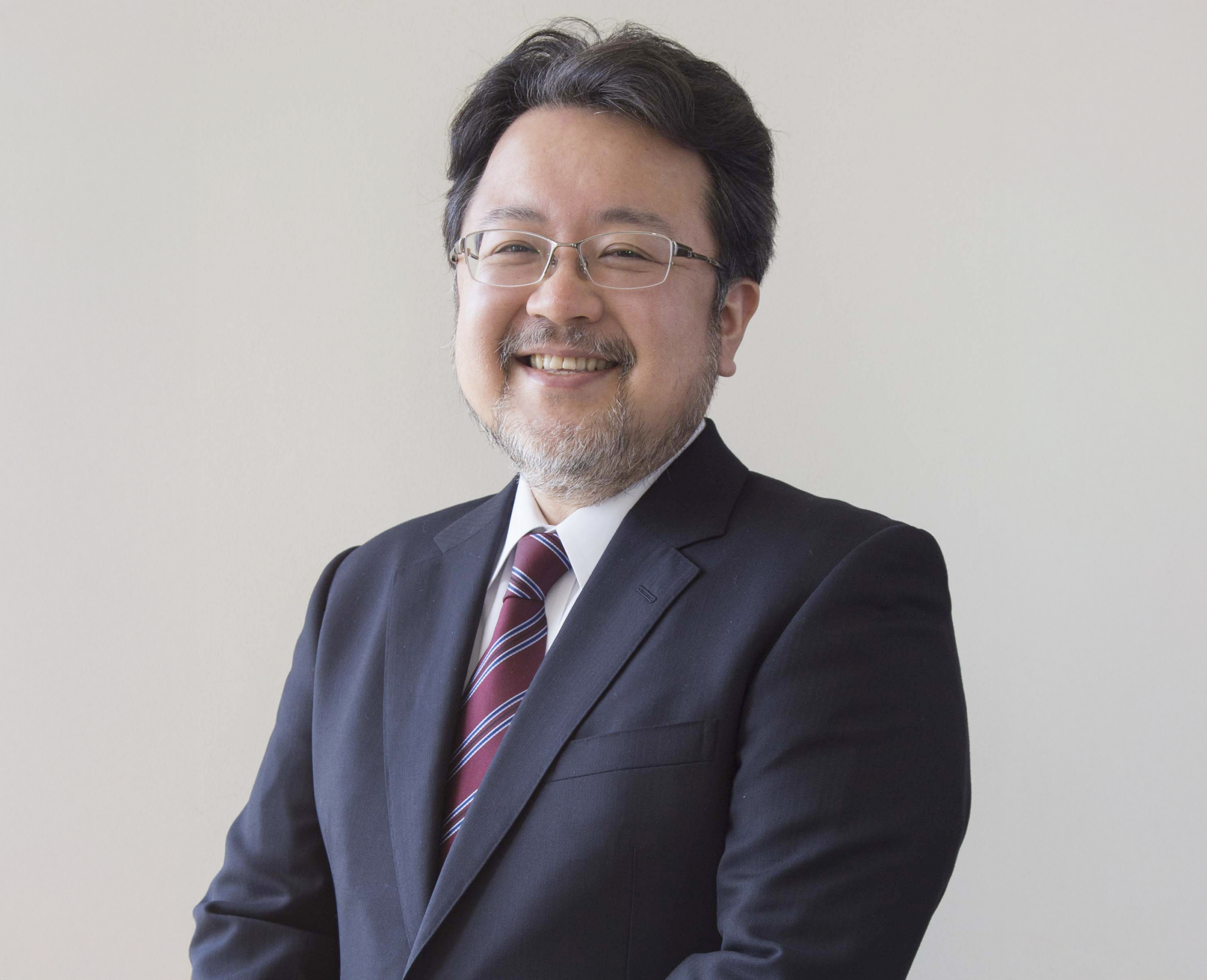
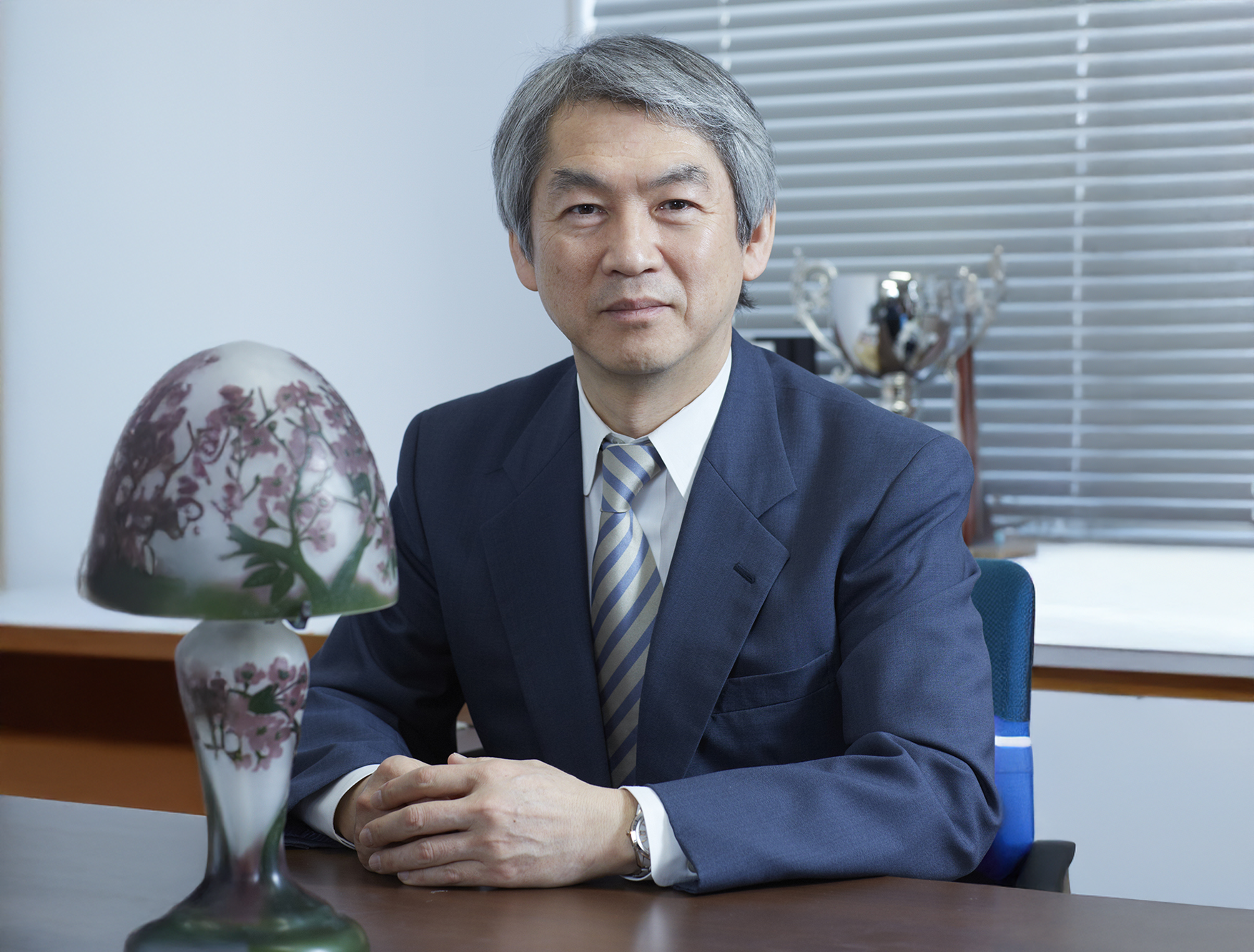
- Shunsaku Obana
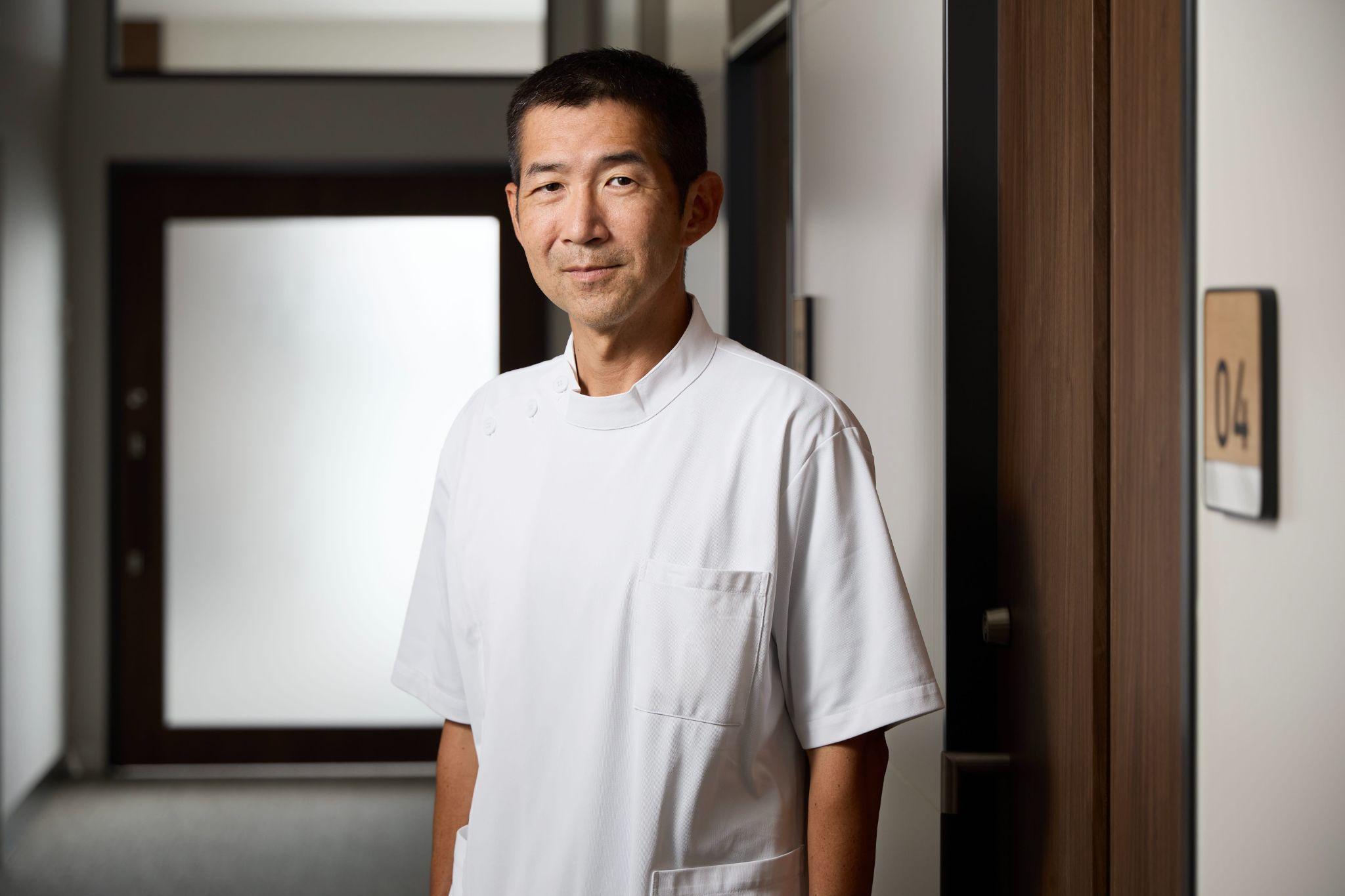
“Never lose sight of the importance of strengthening the language abilities of both doctor and patient.”
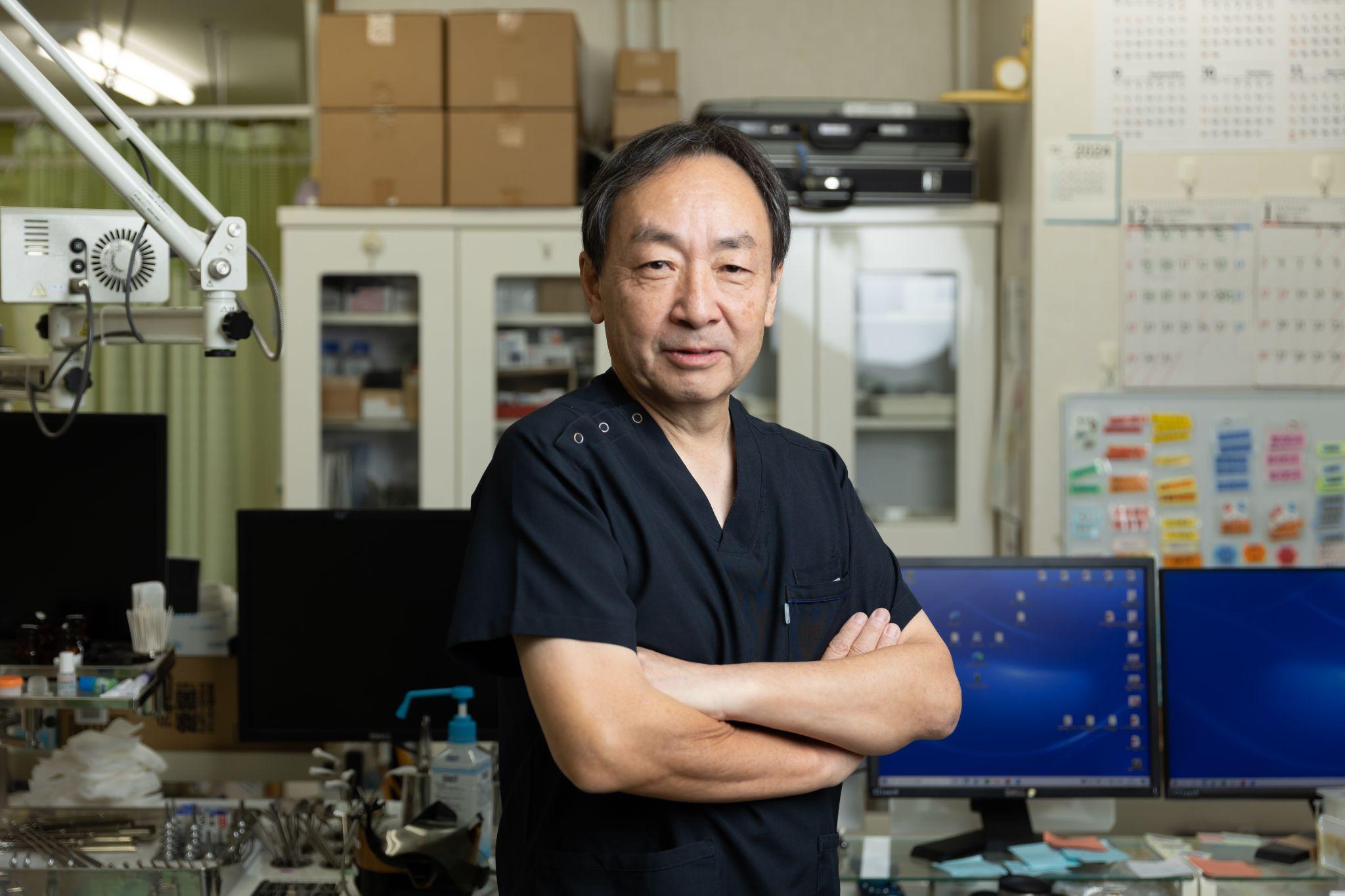
Shunsaku Obana
Director
Obana Clinic
Website:https://www.obana-iin.com/
Dermatologist who focuses on deep communication with patients—treating the underlying physical and emotional aspects.
- TOP >
- FEATURE ARTICLES >
- Shunsaku Obana
Carrying on My Father’s Legacy in Community Medicine
My clinic was founded by my father. If I recall correctly, he opened it in 1949, so it’s been roughly eighty years now.
When it first opened, it operated as an internal medicine clinic. After I inherited it as a dermatologist, we began offering both dermatology and internal medicine, always striving to stay rooted in the local community for the past four decades.
Now that I’m growing older myself, I don’t know how much longer I’ll be able to continue as a family doctor. In time, my son-in-law, an internist, will take over and begin a new chapter.
Medicine as Archaeology
When I describe my work, I often compare it to archaeology. Explaining the whole analogy would take too much time and space here, so I’ll keep it brief.
For me, examining and treating a patient is like excavating a site—carefully unearthing and organizing buried artifacts to piece together a larger picture. The key to that process is communication: the exchange of words between doctor and patient. It’s about the patient’s ability to articulate symptoms and history in language that allows us, as physicians, to understand what lies beneath the surface.
In archaeology, the unearthed objects can’t speak. But because they’ve remained unchanged for centuries, even millennia, we can compare them with texts and other finds from the same period to reconstruct meaning.
Living humans, of course, are different. A doctor must learn when symptoms first appeared, whether there’s pain or itching, whether ointments or medications have been tried, and with what effect. Those details can only be drawn out through conversation. Yet in recent years, I’ve noticed that this process doesn’t always go smoothly.
As a dermatologist, I can understand the state of the skin simply by looking at it. But when communication falters, it’s easy to miss the underlying cause—or fail to provide truly effective treatment. That’s something I wish more patients would recognize.
The Decline of Japan’s Language Ability
Picture this: a patient walks into the examination room. I ask, “What brings you in today?” He sits down, silently rolls up his sleeve, and thrusts out his arm, showing me a rash or a bump, as if to say, “Take a look.” I’m not exaggerating—patients like this are becoming more common.
Yes, I can tell what kind of skin condition it is by looking. But I can’t know the sequence of events that led to it. The bridge between observation and understanding is built through conversation—and that bridge is weakening.
Of course, there are understandable cases: elderly patients with hearing difficulties, those who struggle with speech, or patients whose first language isn't Japanese who handle everyday conversation fine but find it hard to describe subtle sensations like pain or itching.
But beyond those situations, I’m worried about something deeper: a decline in the fundamental language ability of ordinary Japanese people. The sensitivity that once allowed us to describe the changing seasons in rich, nuanced words seems to be fading. I can’t help but feel alarmed by this loss.
Understanding Through the Sense of Words
From ancient Greece onward, conversation—“natural speech”—was regarded as essential to expressing emotion and refining thought. Through this back-and-forth, people shared feelings, honed ideas, and achieved mutual understanding.
Japan, too, cultivated a deep appreciation for language. Blessed with four distinct seasons, we developed words to describe even the subtlest shifts in light, wind, and rain. If we lose our command of the language, we risk losing that delicate sensibility as well.
I realize this may sound odd coming from a dermatologist. But before we even discuss how people view medicine or think about their own health, I feel a growing unease that, as Japanese people, we are losing our relationship with our own language.
A Society Where Words Are No Longer Needed
Another trend troubles me: society itself is moving toward a world where people barely have to speak. Self-checkout machines at convenience stores, tablet-based ordering at restaurants—processes that once required face-to-face interaction are being automated. Efficiency has its benefits, but when daily exchanges disappear, young people lose the chance to naturally develop communication skills.
Yet once you enter society, interaction is unavoidable. Negotiating with clients, collaborating with coworkers—these all rely on the power of words. If people grow up without exercising that ability, I fear it will become a serious handicap, both as a physician and as a member of society.
Believing in a Future for Language
Some might say the issue of declining language ability should be addressed through education, and that’s partly true. But ultimately, each individual must rediscover the value of words and train themselves to use them well.
One of the best ways to do this is by reading—immersing oneself in books from all eras and cultures. Another is to describe what we see and feel in words rather than images. Instead of taking a photo of a scenic view, try expressing it through language. This exercise sharpens our linguistic sensitivity.
At the same time, I see hope in younger generations. Many are experimenting with new forms of expression on social media, using language creatively to share their ideas. In that regard, the diversity of today’s communication platforms may be helping to cultivate new sensibilities.
That’s why I believe that if we consciously refine our use of language, the future will open up before us. In medicine, too, it’s in this sense of words—patients describing their symptoms in their own voices, doctors listening intently and responding—that the essence of care resides.
In the age of AI, mastering technology requires technical knowledge and an active drive to unearth, develop, and exercise our linguistic sense. For me, that conviction guides everything I do. I will continue to value, above all else, the act of listening to patients’ voices—and to move forward, together with the power of words.