- TOP >
- FEATURE ARTICLES >
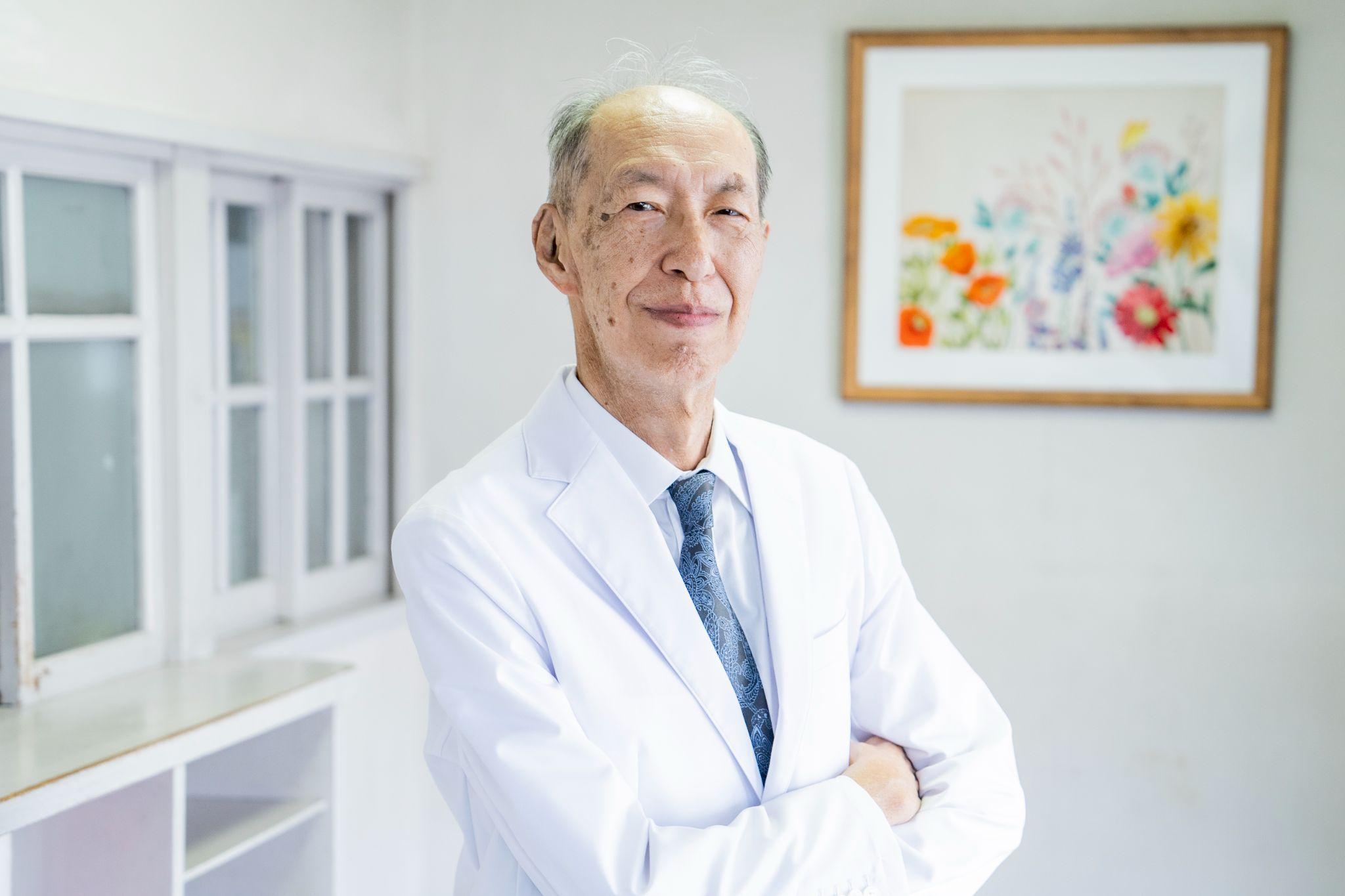
- Mitsuo Moriya
“Pay it forward.”
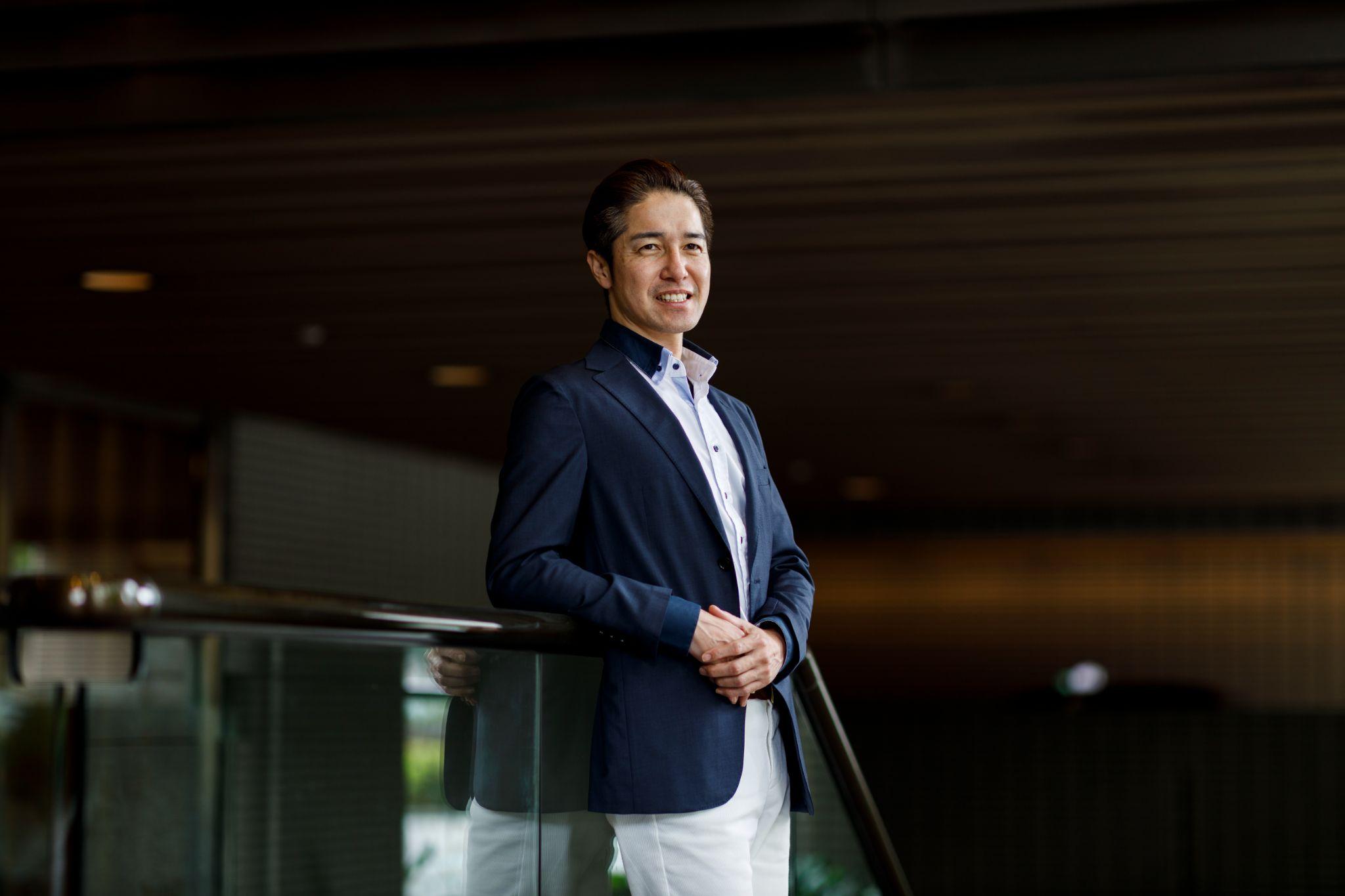
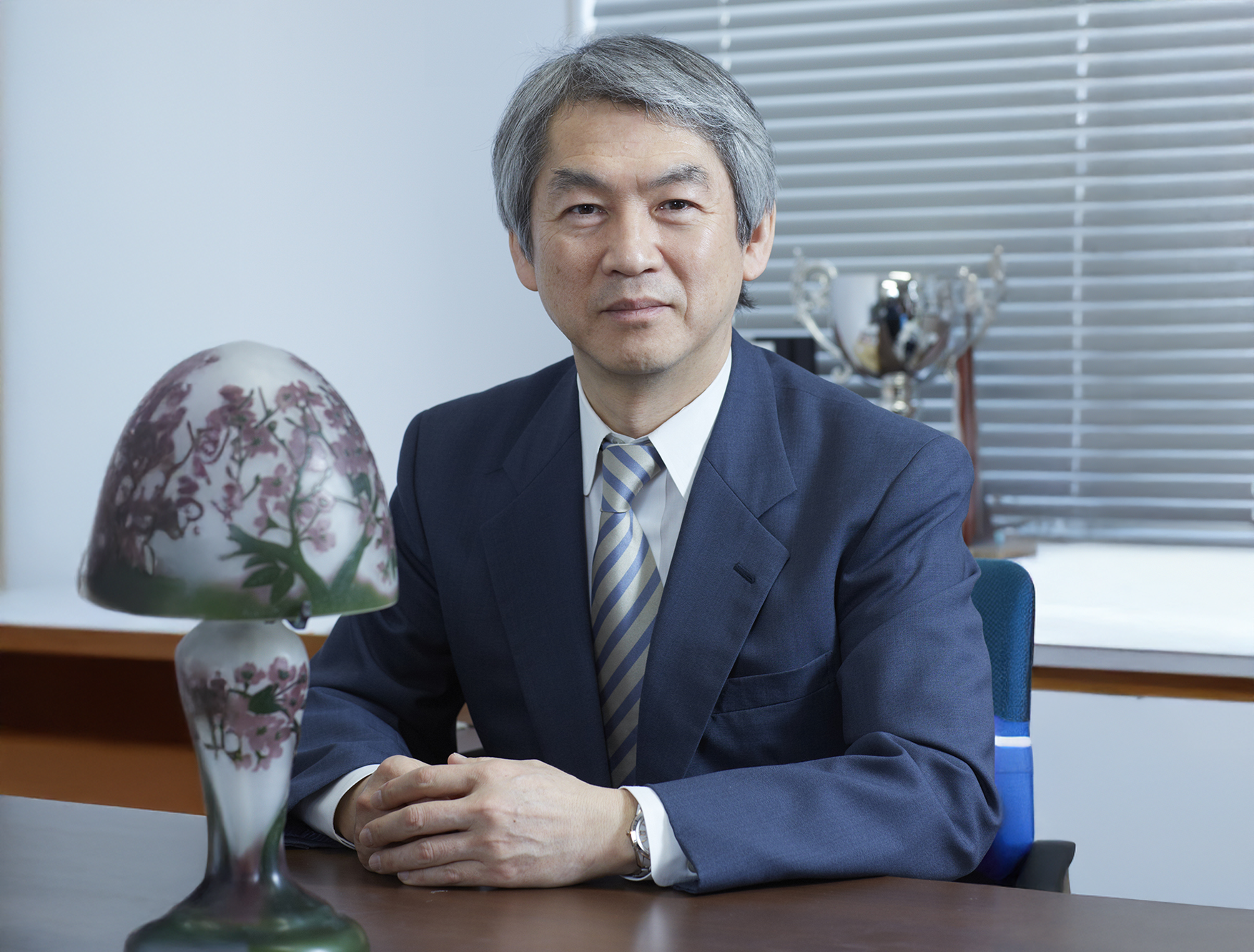
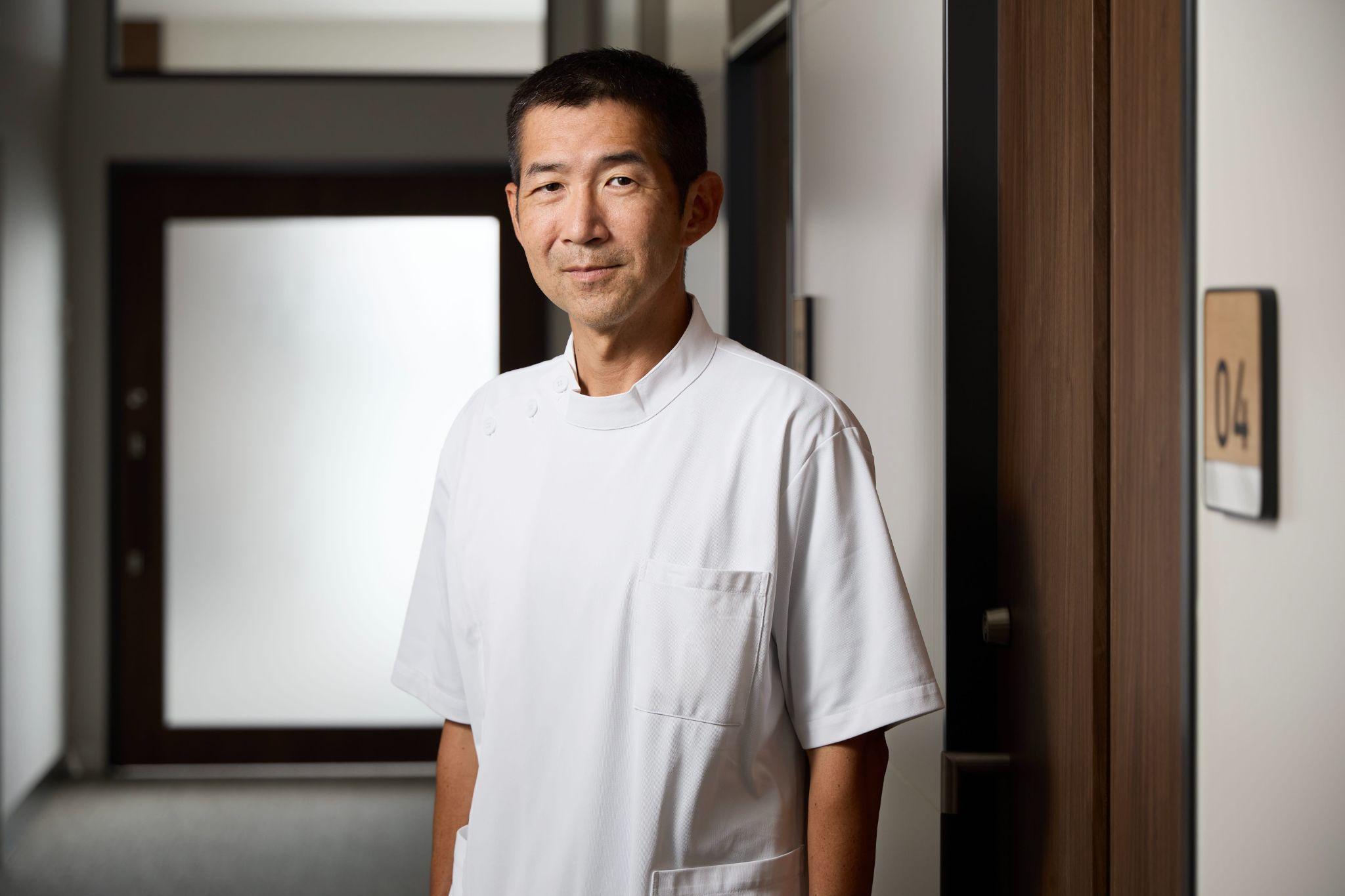
Mitsuo Moriya
Director
Moriya Ophthalmology Clinic, Hitsuji-Kai Medical Corporation
Website:https://www.moriyaganka.com/
Ophthalmologist who personally experienced severe myopia. Committed to empathetic care for those with visual challenges.
- TOP >
- FEATURE ARTICLES >
- Mitsuo Moriya
Sharing the Joy of Positive Treatment
I first began thinking seriously about ophthalmology toward the end of medical school. At first, it was only a vague notion, but by the time I graduated, my mind was mostly made up. Under the system, newly graduated doctors rotate through various departments for two years, gaining basic clinical experience while deciding on a specialty. Even after those two years, my feelings hadn’t wavered—I was certain I wanted to become an ophthalmologist.
The main reason I chose this field was because I was drawn to what I call “medicine that enhances the positive.” For example, cancer treatment is medicine that reduces the negative. Today, one in three people are said to die from cancer, and the primary goal of treatment is to extend life. Of course, improving long-term survival rates is critically important, but I couldn’t find personal fulfillment there.
Ophthalmology, however, felt different. A patient who has lost vision to cataracts can regain clear sight through surgery. Their quality of life improves dramatically, and they’re genuinely overjoyed. As an ophthalmologist, I can directly give patients the joy of restored vision. The more I refine my skills, the greater the positive impact I can offer. That gives me immense satisfaction.
Is “Cutting-Edge Technology” Truly Making Patients Happier?
Our clinic’s guiding philosophy is “combining technology and compassion.” This has been our policy since opening, and it shapes every aspect of our care.
Medical technology is advancing at an astonishing pace. At conferences, I’m constantly introduced to new surgical methods and devices, and I can feel how fast innovation is accelerating. For instance, intraocular contact lenses (ICL) used in cataract and vision-correction surgery are being developed with extraordinary optical precision by manufacturers. The microscopes and surgical instruments we use in the operating room also evolve every year. In pharmaceuticals, biologic drugs continue to progress, and new treatments are emerging through gene therapy and AI-assisted imaging. The field is truly advancing by the day.
Yet no matter how advanced a technology is, it doesn’t automatically translate into patient happiness. Sometimes innovation risks becoming “technology for technology’s sake,” and its true value—how much it actually benefits the patient—can be hard to see.
Keeping up with these rapid developments isn’t easy, but deciding whether to adopt them in actual practice demands careful consideration. The essential question is always: Does this truly serve the patient’s best interest? That is the mindset I intend to uphold.
Learning from Global Medicine
At our clinic, we welcome visiting physicians from overseas and, in turn, I travel abroad for site visits. In today’s digital world, medical knowledge circulates globally, so there’s little difference in information access between countries. Still, ophthalmic care itself varies from nation to nation, and those differences are deeply instructive.
Earlier this year, I visited an ophthalmology clinic in Singapore. The country’s strong economy has fueled demand for ICL procedures, and the clinic I observed performs more of them than any other in Singapore. Its founder, Julian, has an exceptional passion for ICL surgery. The doctors there have an unusually close rapport with their patients; physicians even share patients’ joyful post-surgery moments on social media. That kind of openness is rare in Japan, but it offers valuable insight into how to put patients at ease.
Experiencing medical practices abroad provides technical knowledge and new perspectives on treatment philosophy and doctor-patient relationships. These lessons have become a source of personal and professional growth for me.
Easing Patients’ Anxiety and Inconvenience
I’ve long made it a priority to reduce patients’ anxiety, worries, and inconvenience. We actively share information online and even publish our surgical results on our website. The shuttle bus service we introduced also came from this desire. Many elderly patients without companions find it difficult to drive before and after surgery, making access to care a real challenge. While broader public support is needed, I believe we should do what we can within our means. My hope is that patients feel, “I can come here with peace of mind.”
Such efforts distinguish our clinic and directly enhance patient satisfaction. My guiding belief is that our treatments should make patients happier, and I think that attitude defines who we are.
Of course, realizing this vision depends on the team. Most of a patient’s time in the clinic is not spent with the doctor but at reception or during examinations. That’s why it’s essential that every staff member shares the same philosophy and patient-centered mindset. I hold regular study sessions to reinforce this, and I try to lead by example. These ongoing efforts elevate the clinic as a whole.
A Mission to Deliver High-Quality Care as Part of Social Infrastructure
Today, our clinic performs many surgeries, including cataract and ICL procedures. Patients come from nearby areas but also from greater distances—Saitama, Ibaraki, Chiba, and even Miyagi. Word of mouth has been powerful; I feel that the trust we’ve built locally is spreading outward.
Looking ahead, one thing is certain: Japan’s population will continue to decline. As the working population shrinks and markets contract, staying a trusted and chosen clinic will depend on differentiation and credibility. It’s one of the many reasons why I believe our mission is to remain rooted in the community while providing high-quality medical care together with an excellent team.
The future may be uncertain, but whatever challenges arise, I intend to overcome them and continue safeguarding our region’s healthcare.