- TOP >
- FEATURE ARTICLES >
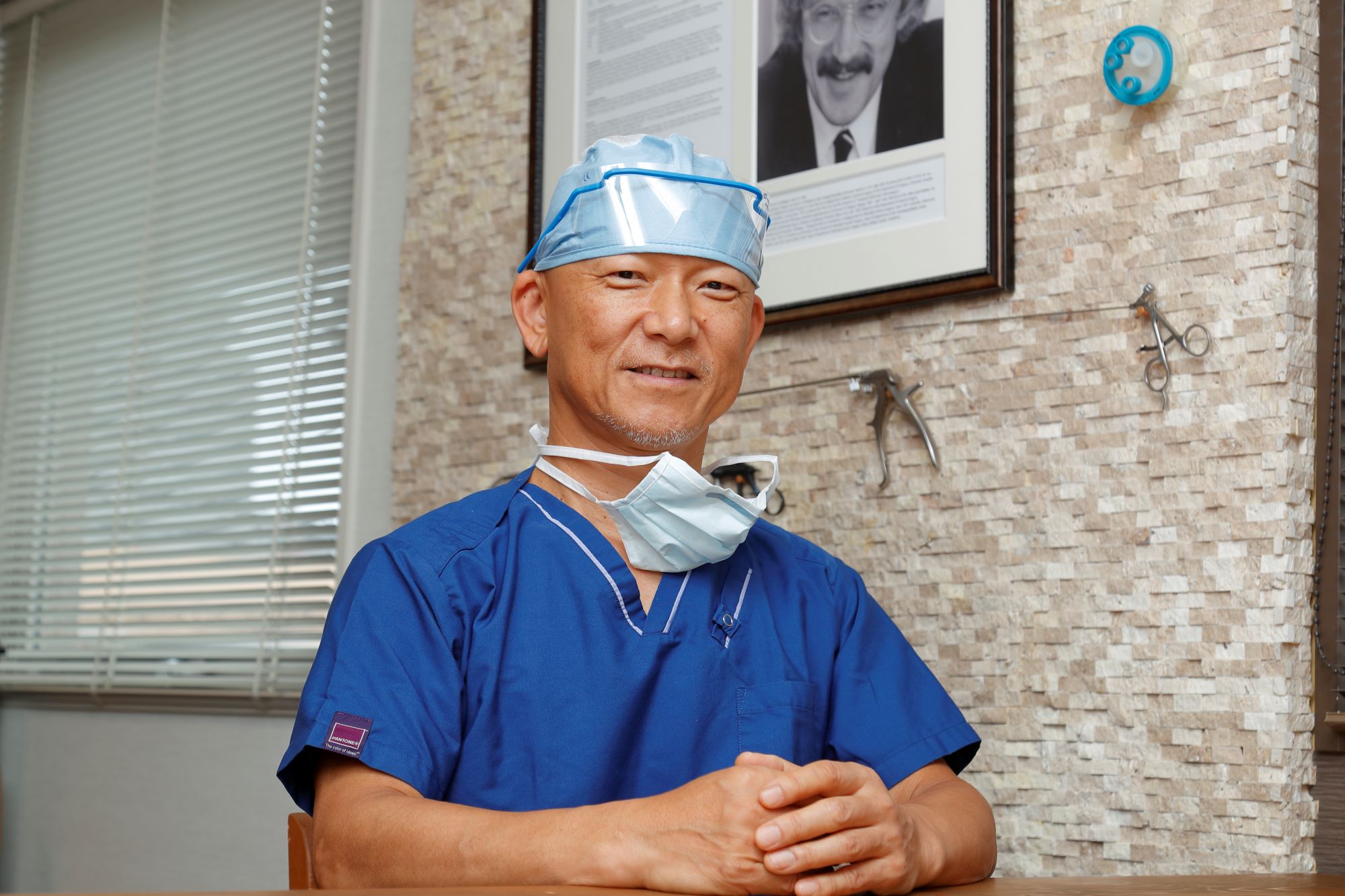
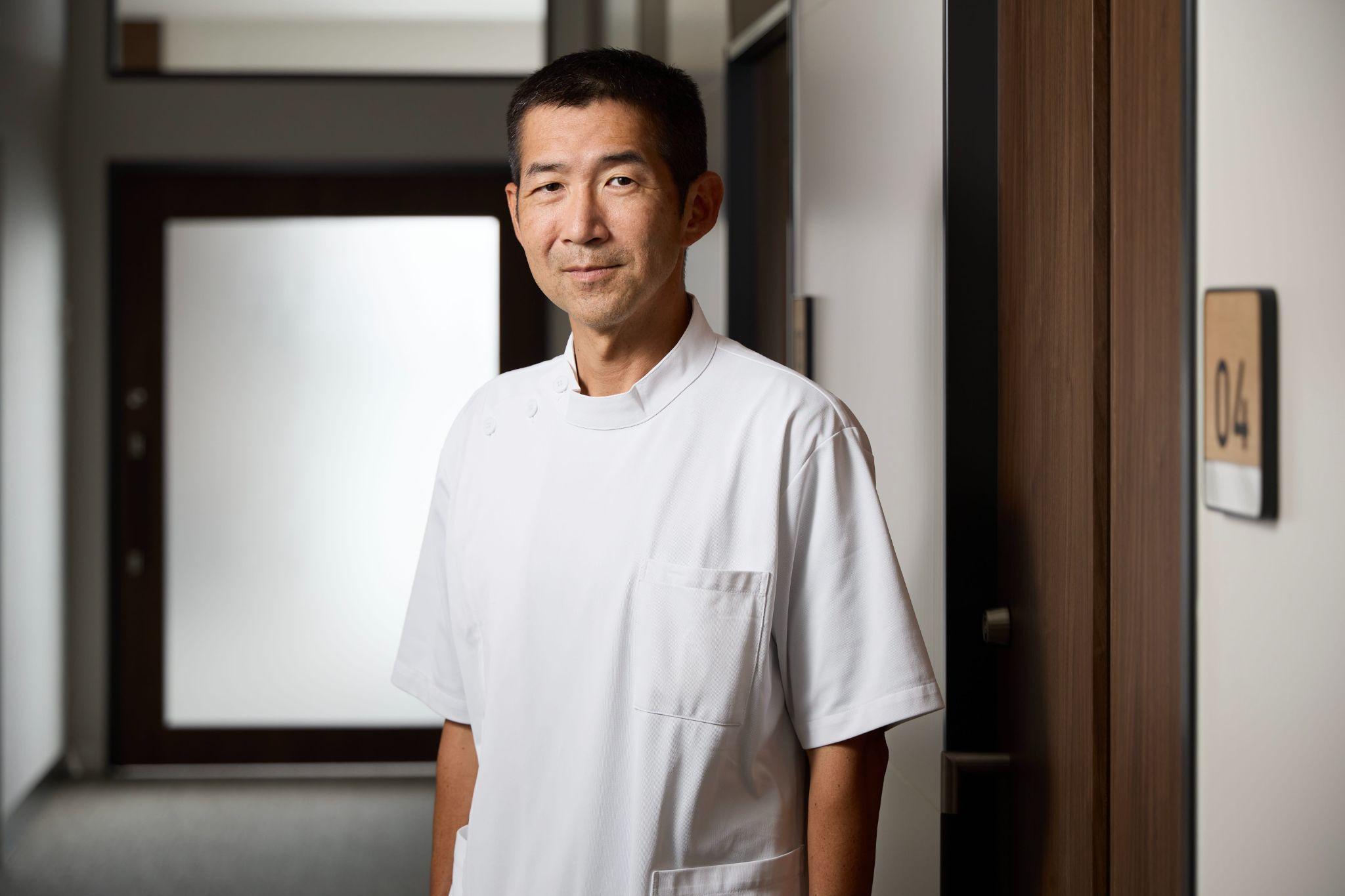
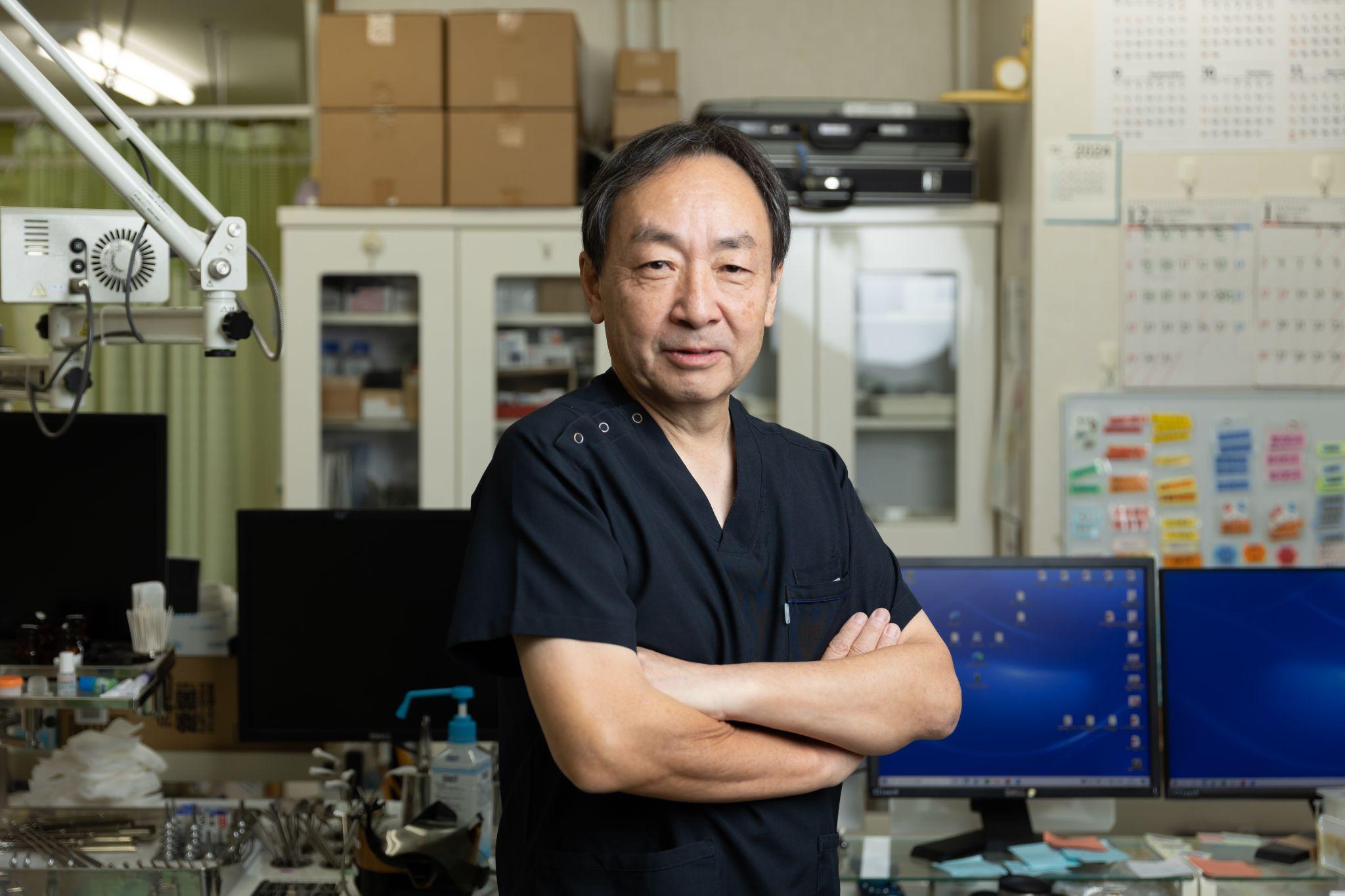
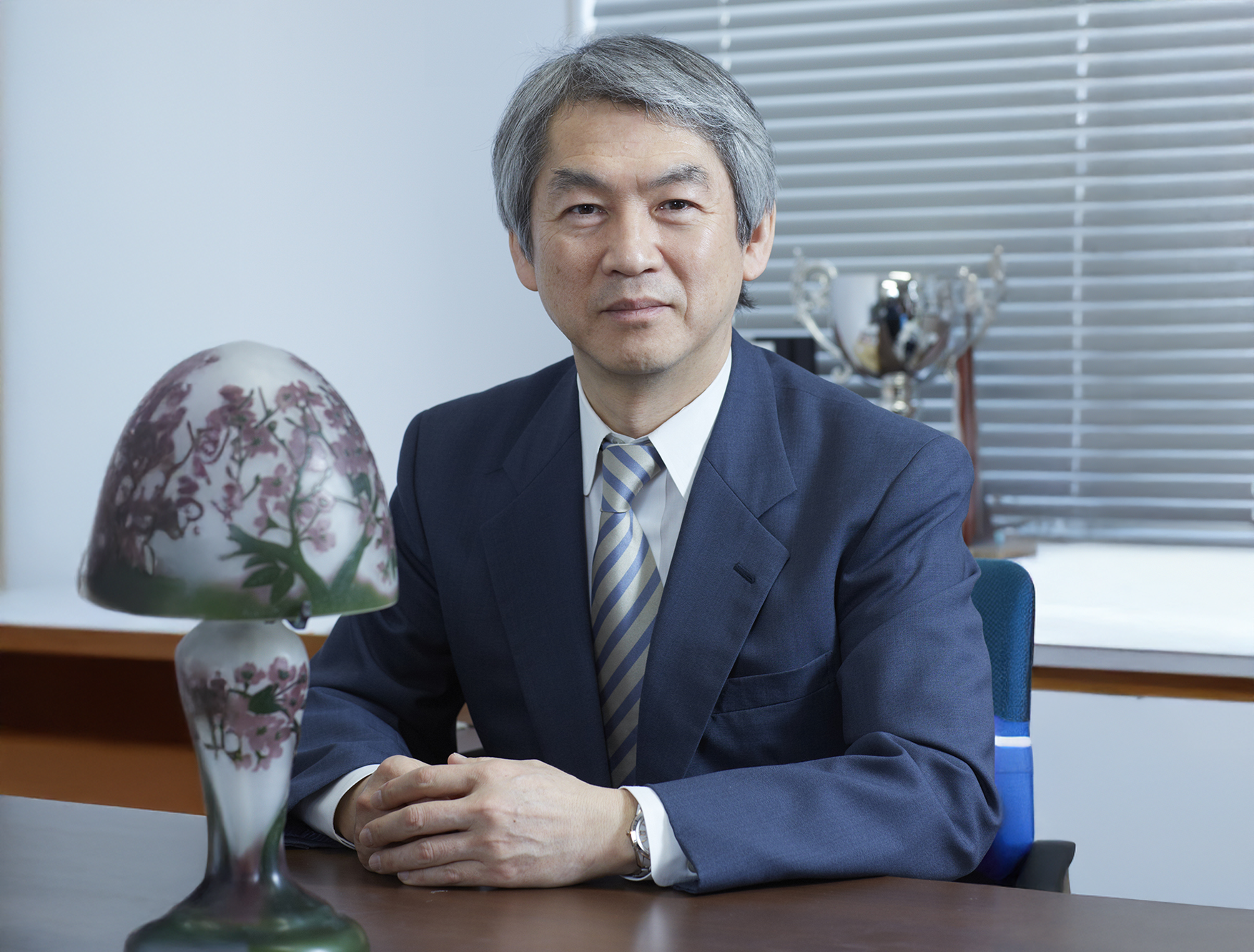
- Masaki Tanito
The best evidence lies within the patient before you.
Masaki Tanito
Professor and Chairman of Department of Ophthalmology
Department of Ophthalmology, Shimane University Faculty of Medicine
Website:https://www.med.shimane-u.ac.jp/hospital/
Advanced research on glaucoma treatment, with joint development of medical devices for refractory glaucoma.
- TOP >
- FEATURE ARTICLES >
- Masaki Tanito
Building Knowledge, One Detail at a Time
Glaucoma is a disease that progresses slowly, often over many years. That’s why I place great importance on following each patient’s condition for as long as possible. It helps maintain diagnostic precision at a level that can support a clinical case report.
The symptoms and the rate of progression vary from person to person, influenced by the condition of their eyes, lifestyle, systemic diseases, and overall health. To understand these nuances, I have to look beyond the eye—to the patient’s daily life, habits, and history—and continue recording everything in detail over the long term. That, I believe, is how we unite clinical practice and research to move medicine forward.
Fortunately, I love this kind of work. Gathering and analyzing patient data, tracking their progress over years—this is my clinical practice, my research, and, in many ways, my hobby. I’m genuinely grateful to be in a position where I can treat glaucoma patients while pursuing what I find endlessly rewarding.
Innovation Born of Passion
There’s truth to the saying, “If you love something, you’ll master it.” When you do what you love, unexpected ideas often emerge. One such idea led to the development of a treatment device called the green laser, which I helped design.
Traditionally, glaucoma surgery relied on techniques such as trabeculotomy and tube-shunt procedures. Yet, some cases remained resistant to these treatments, and my desire to help those patients drove the creation of the green laser. Today, its use is gradually spreading. Major hospitals, universities, and even private clinics are beginning to adopt it.
As Japan’s population ages, glaucoma cases are rising, and it remains one of the leading causes of blindness. Having access to even a single green laser device in a given region can greatly expand treatment options for patients.
I also developed the microhook trabeculotomy by improving upon traditional surgical instruments. The result was a simpler, more efficient procedure. Now, it’s the most widely performed glaucoma surgery in Japan.
The Challenge of Sustainable Medicine
When we talk about the state of medicine today, the challenges are vast. One of the most pressing, in my view, is the financial strain facing universities and major hospitals. Medical institutions don’t need to pursue profit, but as part of social infrastructure, they must remain economically sustainable. Without that foundation, neither research nor education can thrive.
We’ve already seen reductions in faculty numbers—professors, associate professors, assistants—which makes it increasingly difficult to maintain traditional systems. In medical schools, the same faculty members handle clinical practice, research, and teaching. When the research environment collapses, the quality of education inevitably follows. The foundation supporting Japan’s medical education is weakening, and that demands urgent action.
One institution alone can’t solve this issue. We need national-level collaboration with government agencies on how to sustain healthcare and education. While I understand that public finances are limited, we must at least stop the bleeding. Once research and education quality decline, recovery is extraordinarily difficult. Stabilizing the system is our most immediate challenge.
Raising the Bar for Quality of Care
My long-term vision is to establish a comprehensive model for glaucoma treatment that considers the patient as a whole.
Glaucoma gradually damages the optic nerve, which connects the eye to the brain. The only proven way to slow that degeneration is by lowering intraocular pressure, a method clearly outlined in clinical guidelines. Physicians everywhere follow this standard, and yet glaucoma remains a leading cause of blindness. That tells us our current approach isn’t enough.
My goal is to build the evidence needed to add a single new line to the treatment guidelines: that, in addition to lowering eye pressure, certain other interventions should be performed. It may sound like just one sentence, but there is an immense amount of data and analysis supporting its inclusion. However, approval requires broader consensus among experts in the field.
That’s why I focus on collecting data meticulously, earning the trust of fellow specialists, and building agreement step by step. It’s slow work, but there’s no shortcut to improving the quality of medicine. Coordinated work among ophthalmologists and institutions across Japan is key. Only by earning one another’s trust can we create progress that lasts.
To the Next Generation: Say Yes to Opportunity
Finally, I’d like to share a message with young people aspiring to work in medicine. Becoming a doctor is hard, and the journey afterward is even harder. But if you’ve chosen this path, I encourage you to find something you can continue doing for decades. A medical career can span 40 or 50 years. Without genuine passion, you won’t sustain it.
You can’t always decide what you love through logic. I didn’t choose ophthalmology deliberately; it was a direction others guided me toward. I didn’t start with any special attachment, but once I began, I discovered it suited me.
My first assignment was at a hospital in Saitama. The doctor originally scheduled to go there declined, so the opportunity fell to me, a first-year resident. I was told to go, so I went—alone—and it turned out to be an invaluable experience.
Since then, I’ve often been told, “Go,” and I’ve always said yes. Each time, it’s led to new experiences, and before I knew it, they’d all become part of who I am. That’s why I tell young doctors: when you’re offered an opportunity, say yes. You won’t know whether it’s good or bad until you try. Every experience adds something to your growth, so don’t hesitate. Step forward, experience it, and decide for yourself.