- TOP >
- FEATURE ARTICLES >
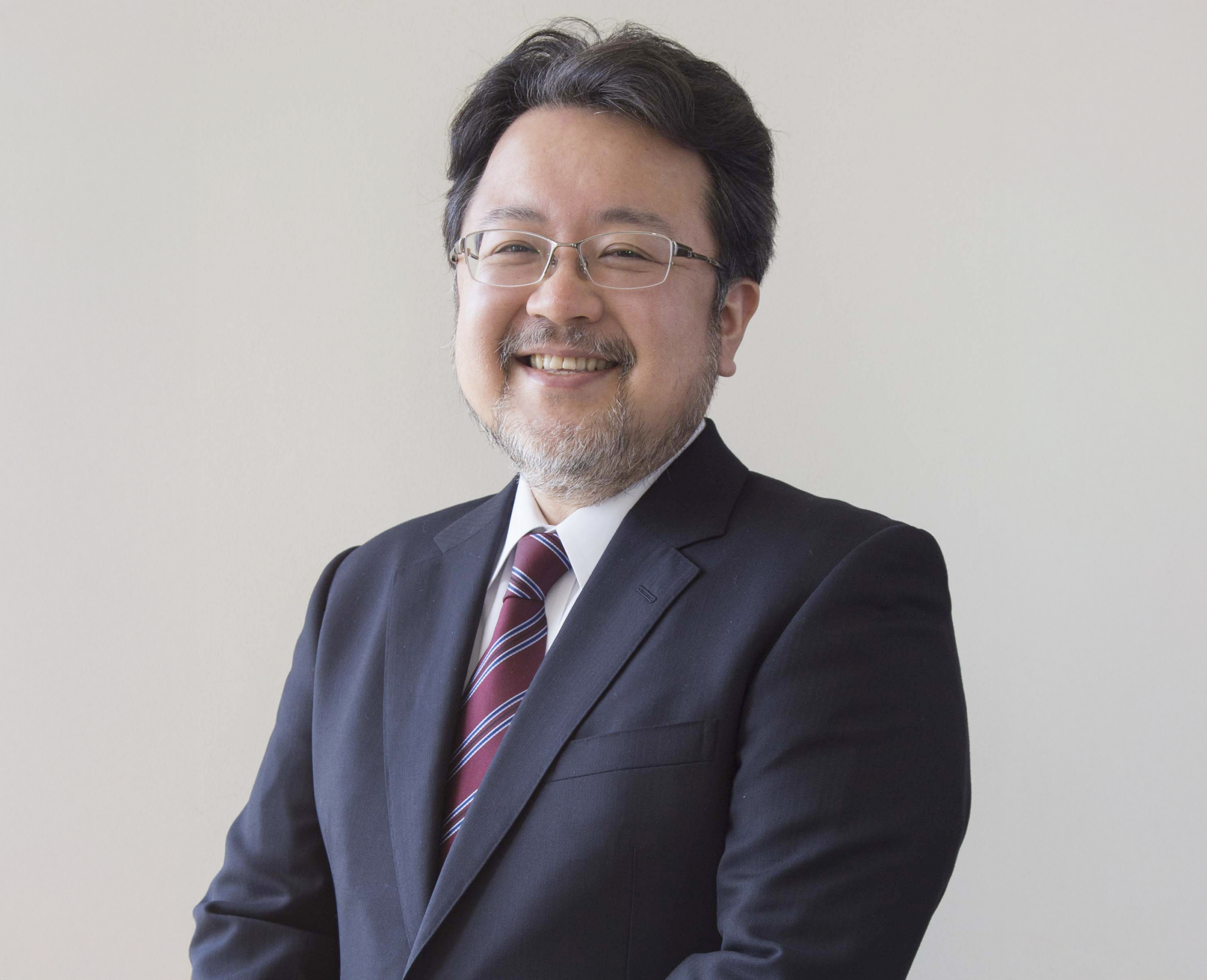
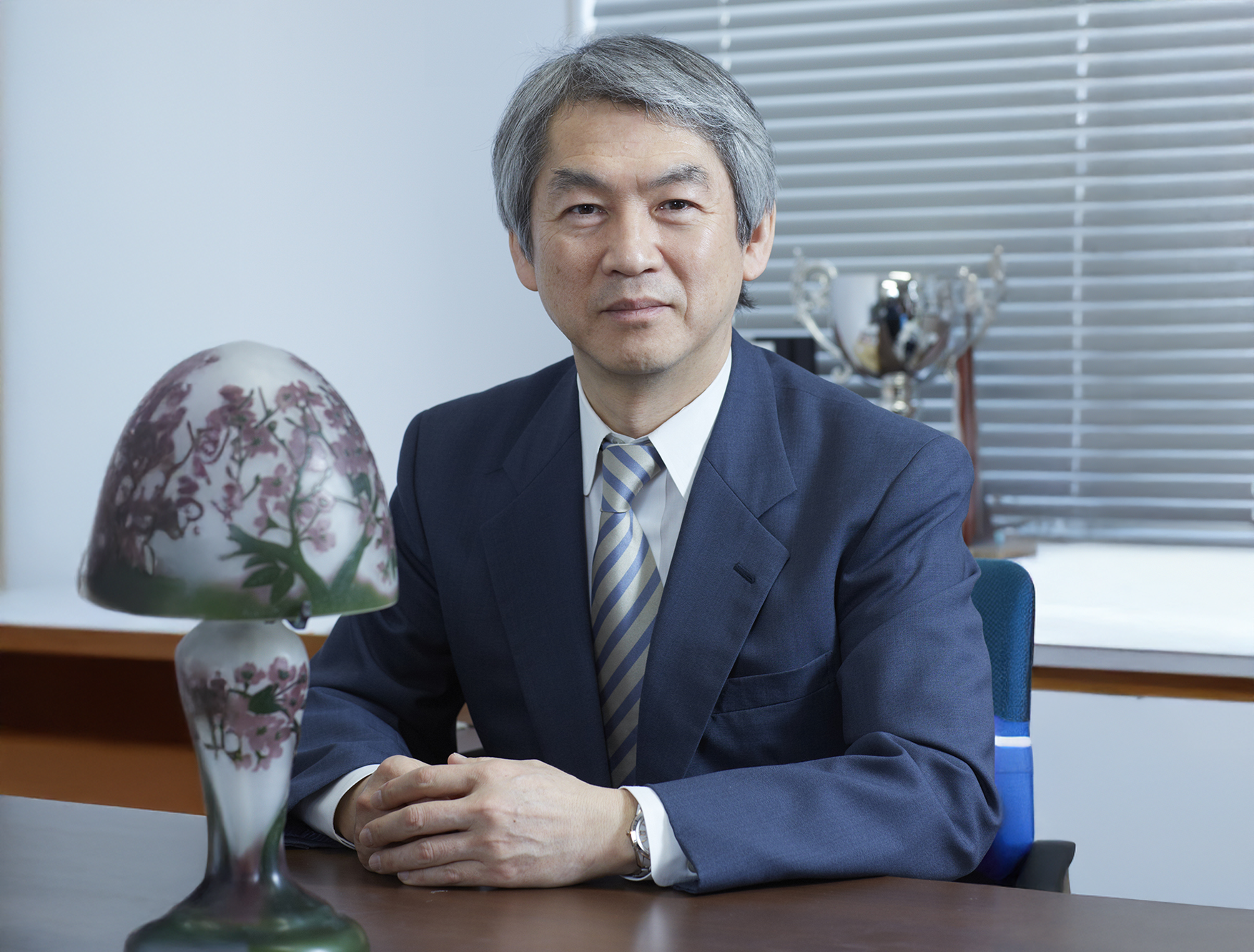
- Masahiro Kaneda
“Those who have should share with those who have not.”
Masahiro Kaneda
Director
Kaneda Eye Clinic
Website:http://kaneda-eye.com/
Ophthalmologist selected for The Best Doctors in Japan 2024–2025, known for technical excellence and compassionate care
- TOP >
- FEATURE ARTICLES >
- Masahiro Kaneda
Choosing Independence Over Inheriting the Practice
My decision to become a doctor was simple. My father was an ophthalmologist, and I grew up watching him at work. Though I imagined pursuing various careers over the years, I ultimately chose the same path as him.
Once I entered the field, I realized how profoundly intricate ophthalmology is. The eye is a small organ, yet it’s made up of countless delicate structures, each with its own purpose. Mastering them all would be impossible for one person. Still, when I see a patient light up with joy because they can see again after treatment, I’m reminded why I chose this profession.
The Knowledge, Skill, and Tools Behind Good Medicine
To this day, I feel ophthalmology is my true calling. That’s why I often recommend it to young medical students. Surgeries demand steady precision and strong nerves, but they’re immensely rewarding. With advances in techniques such as cataract surgery, even new doctors can now perform procedures at a high standard. For patients, results come quickly; there’s nothing like the moment they exclaim, “I can see again!” That immediacy is one of the field’s great rewards.
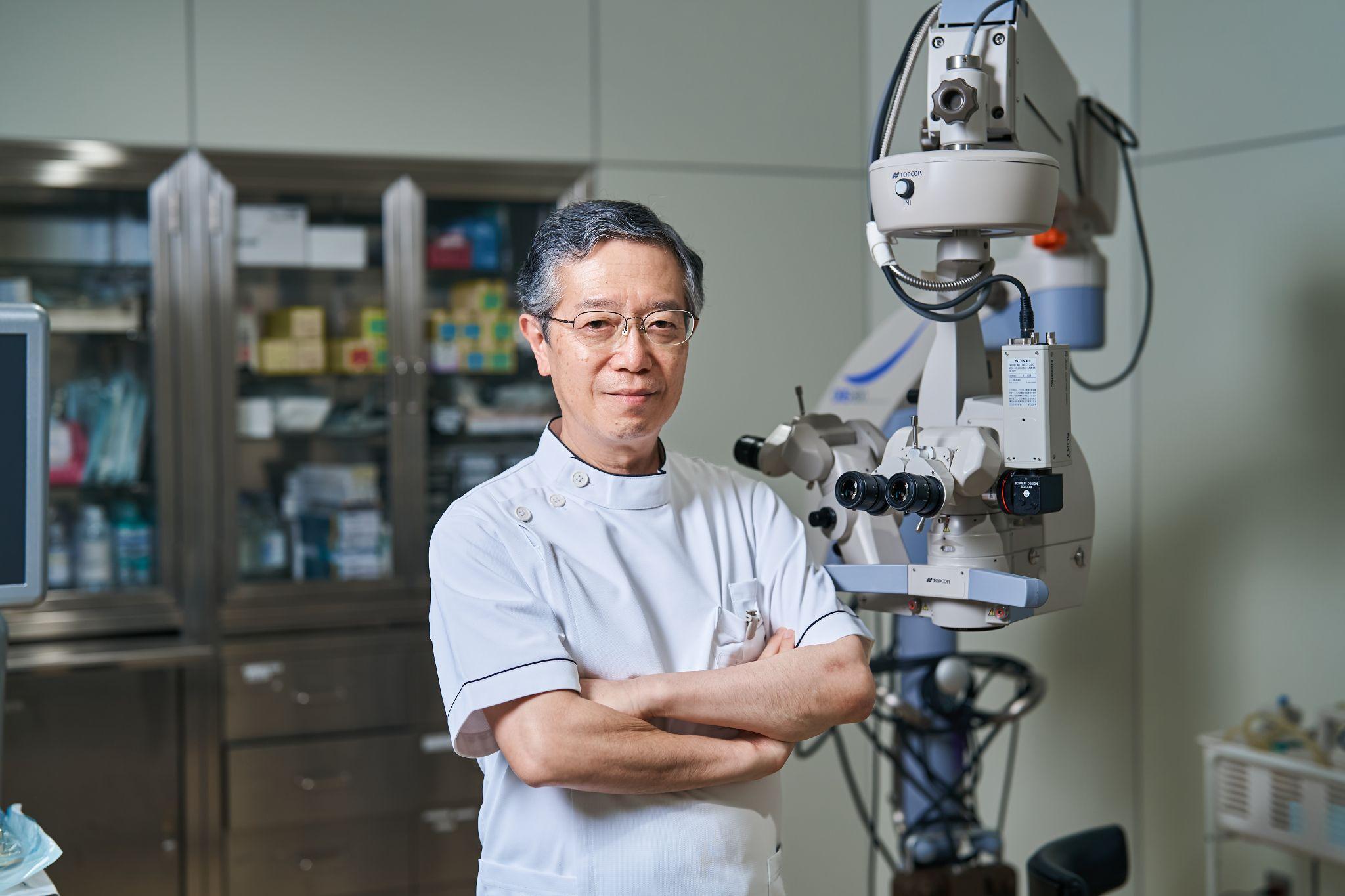
Practicing medicine requires a doctor’s knowledge, experience, and skill, but the right equipment is also important. Ophthalmology evolves rapidly, and new surgical and diagnostic devices are constantly being developed. At my clinic, I maintain equipment on par with major hospitals so that patients never face the barrier of “That’s only possible at a big hospital.”
I’ve long been committed to sustaining and improving eye care in local areas and once served as department head at a regional core hospital. Even now, I see outpatients weekly at a hospital while ensuring my clinic can handle as broad a range of cases as possible.
What It Takes to Develop Community Medicine
Among my areas of focus is medical retina, the internal medicine side of ophthalmology, which treats retinal diseases with pharmaceuticals rather than surgery. It complements surgical retina and is particularly suited to community clinics, as many treatments can be performed on an outpatient basis without hospitalization. Strengthening community medicine expands the window for early treatment.
As Japan’s population ages, conditions such as cataracts and glaucoma are increasing. When I first arrived in this region, people often said, “You have to go all the way to Nagoya for eye treatment.” That frustrated me, and I set out to build a system where care could be done locally. Now, as university hospitals send fewer physicians to regional institutions, it’s up to private practitioners like us to uphold the standard of care.
Growing Challenges in Today’s Medical System
I’m deeply concerned about the current state of Japan’s healthcare system. Our universal health coverage is world-class, yet many people don’t grasp the financial strain required to sustain it. Discussions about revising the high-cost medical expense system are particularly worrying. Even now, the price of new drugs can force patients to give up treatment because it’s too expensive.
I’m also skeptical about recent “workstyle reforms” in the medical field. Of course, doctors shouldn’t be exploited, but limiting those who want to work harder in order to support healthcare seems misguided. If this continues, the ethic that “work is a virtue,” which helped build Japan, could erode. Reduced research hours at university hospitals could weaken Japan’s medical progress as well. These are not small concerns.
The Strength That Comes From Experience
As for the future, I don’t have any grand ambitions. One of my mentors often said, “A doctor takes off the white coat only when he loses the desire to learn.” I hold that close to heart. I want to keep studying, improving, and contributing to the advancement of regional healthcare. I hope young doctors will remember that, too.
Unlike me, they have time on their side. I urge them to use it well—look outward, experience the world, and cultivate a global perspective.
My own first step as a physician began abroad. In my first year as a resident, I was sent to the University of Florida as a research fellow. I had just started to find my footing in Japan’s medical environment and I suddenly had to adjust to a completely different setting. It was a struggle, but the experience was valuable, and it shaped who I am as a doctor.
Another turning point came when I joined Dr. Yoshifumi Fujita’s ophthalmic mission to Myanmar. From 2004 to 2010, we spent a week to ten days each year during Japanese Holiday Season performing and teaching cataract surgeries there. Seeing patients in a region where modern medical care was scarce regain their sight, and their joy, reminded me why I entered this profession in the first place.
Whatever field young people choose, I hope they challenge themselves and use every experience to build strength and something they can call their own. That uniqueness will be a powerful asset in the years ahead.
Following the Path I Believe In
The future of ophthalmology is bright. Diseases once thought untreatable may soon be curable. Regenerative techniques for the cornea and retina have already made remarkable progress, and I hope the next generation will carry that work forward.
As for me, I live by the words, “Those who have should share with those who have not.” I aim to give back—through my knowledge, my skills, and my experience. I’ll continue to walk my path as an ophthalmologist, devoted to my patients and to the craft itself.