- TOP >
- FEATURE ARTICLES >
- Jun Saito
“Blue skies beyond the clouds.”
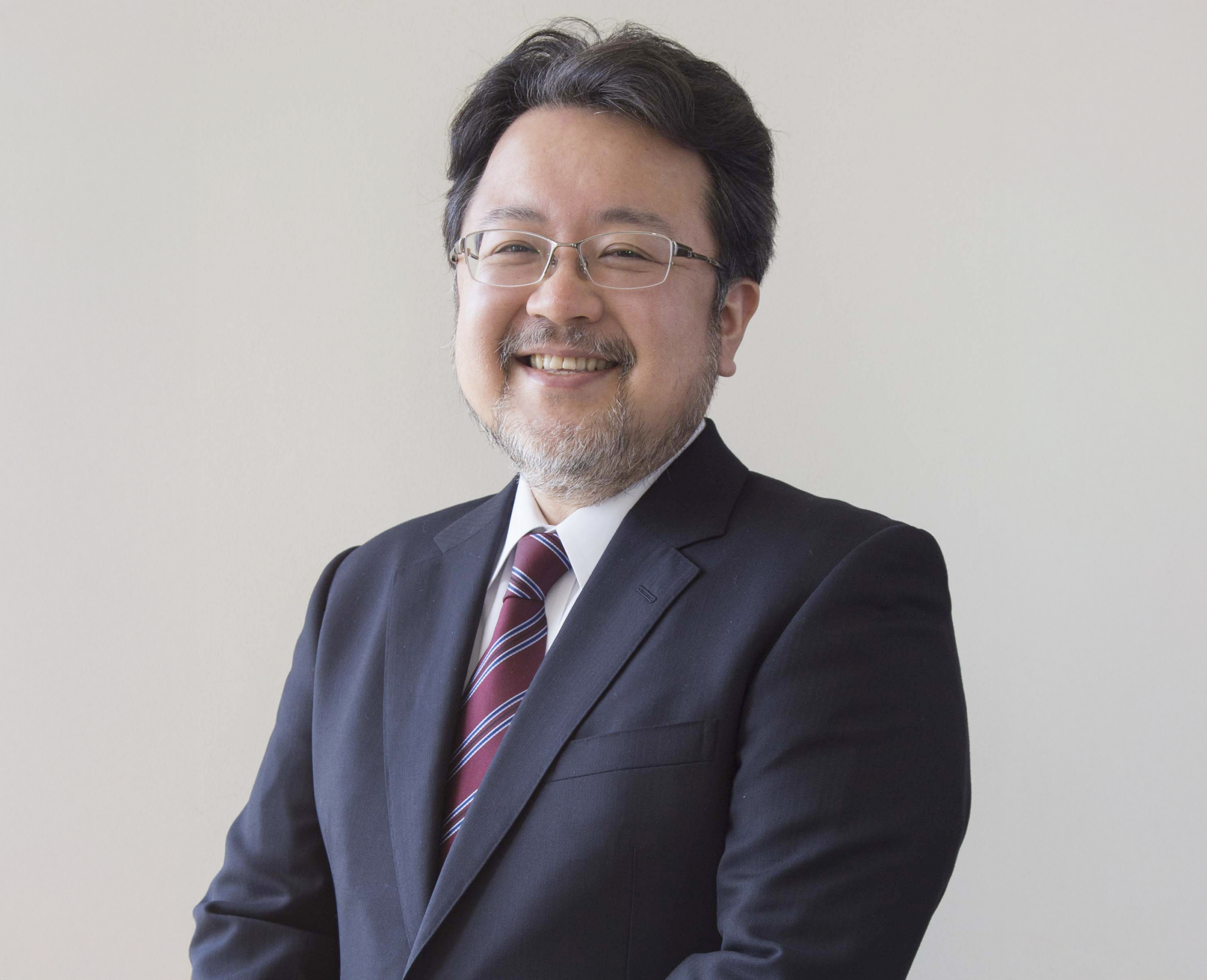
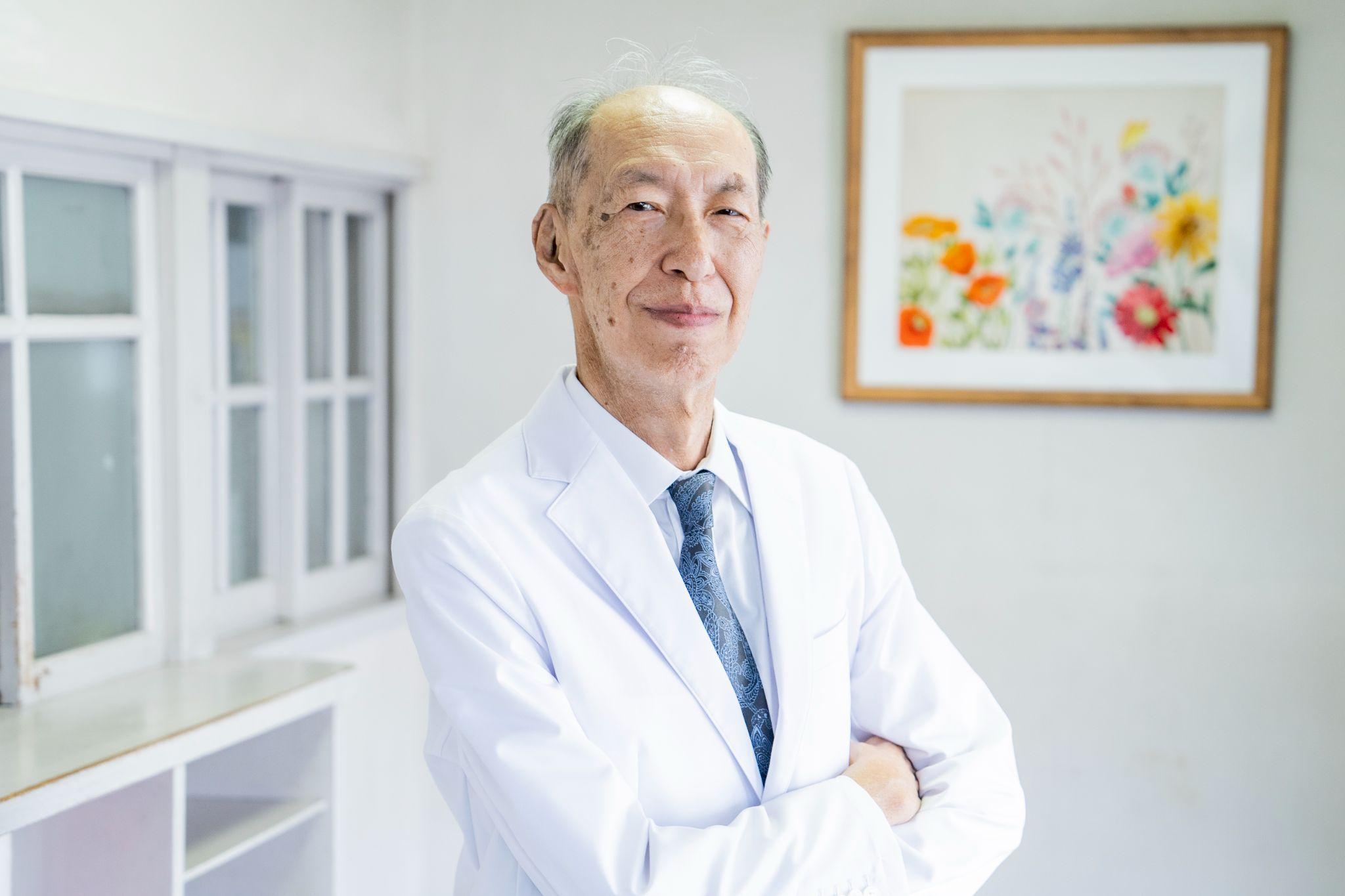
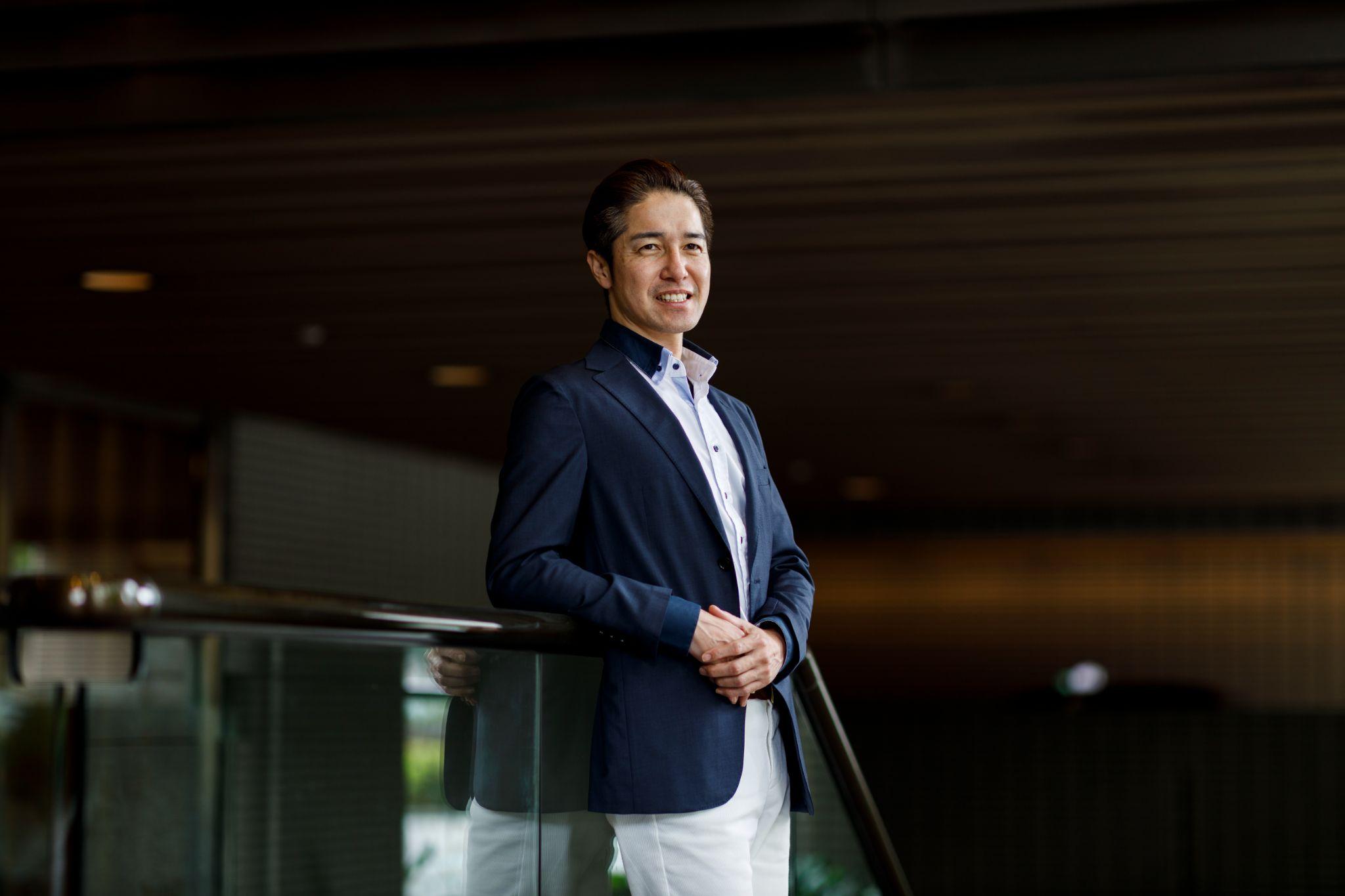
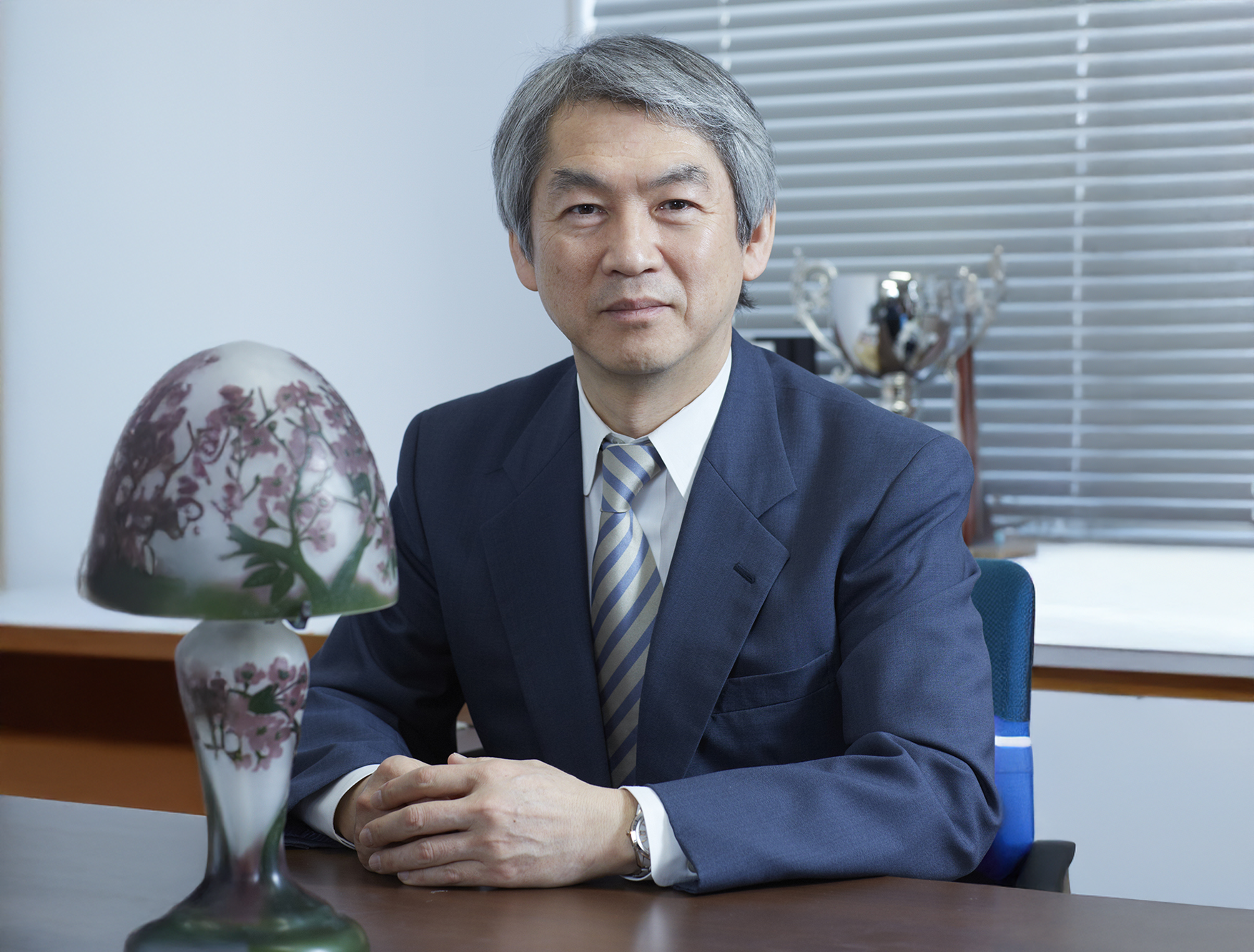
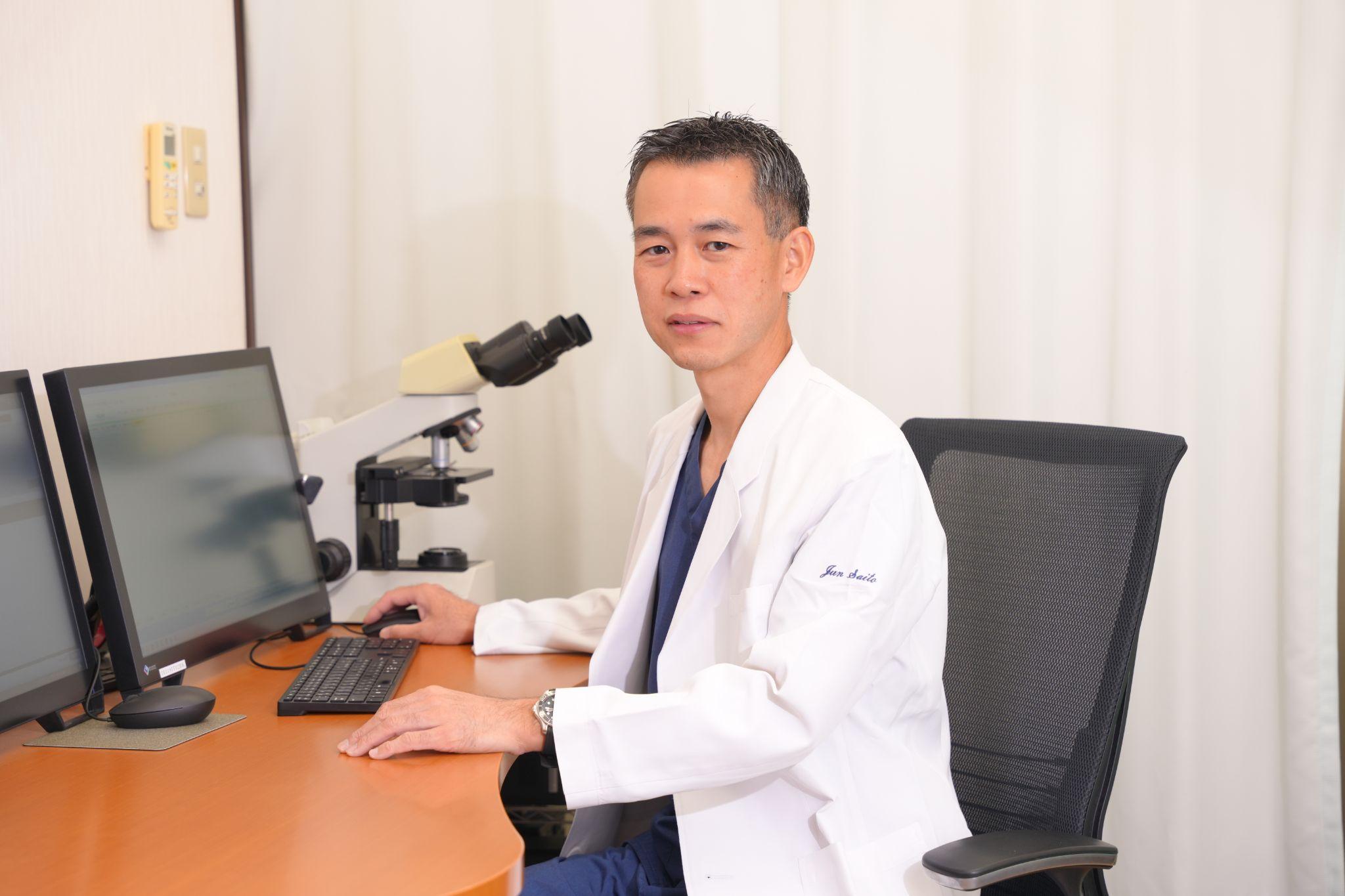
Jun Saito
Director
Saito Internal Medicine Clinic, Shinjun-Kai Medical Corporation
Website:https://saito-naikacl.com/
Internist with understanding of each patient’s lifestyle, tailoring to individual needs as a community physician.
- TOP >
- FEATURE ARTICLES >
- Jun Saito
Specialized Medicine Meets Whole-Body Care
I draw on my background in nephrology and urology to provide comprehensive, whole-body care.
At my clinic, I handle general internal medicine while focusing on kidney and urinary tract disorders—fields I entered immediately after medical school.
By the time I graduated, kidney transplantation was already an established therapy, but cases were still relatively rare in Japan. The university hospital where I worked, however, performed many transplants every year. For patients receiving dialysis due to renal failure, transplantation often represented their final hope. Wanting to stand on the front line of that hope naturally led me into nephrology and urology.
Surgical skill is, of course, vital in kidney transplantation. But what’s equally important is comprehensive medical management before and after surgery: blood pressure control, systemic evaluation, and close monitoring of the patient’s overall condition. I realized that to care properly for such patients, I needed to look beyond a single organ and grasp the entire picture of their health. That conviction drove me to refine my expertise across multiple hospitals, deepening my specialty while strengthening my ability to see the body as a whole.
A turning point came in 2010, when I joined Kobe Central Hospital. There I broadened my practice to cover a wider range of internal-medicine cases, building the foundation of who I am today as a physician. Since then, I’ve continued to focus on my specialties while offering comprehensive internal care—work that culminated in opening my own clinic in 2014.
Listening First, Treating the Person Behind the Illness
Focusing narrowly on a single organ can obscure the larger reality of a patient’s condition. Even kidney disease often intersects with digestive and cardiovascular issues, so understanding the whole system is essential. That’s why I approach every case with a holistic view, informed by internal-medicine principles.
Above all, I make it a rule to listen—to symptoms, of course, but also to the patient’s story: lifestyle, habits, family structure, even finances. Without that, true treatment isn’t possible.
Take diabetes, for example. Lowering and maintaining blood-sugar levels is the goal, but each patient’s path to that goal differs. Some may want to reach it quickly with the latest drugs, while others struggle with cost or motivation. Prescribing an expensive medication to someone unready to commit could discourage follow-up visits—the worst outcome for any doctor.
That’s why I tailor treatment plans to each person’s circumstances, ensuring they can keep going, step by step. The process may be gradual, but as long as we reach the target safely, it’s a success. Treatment, I often tell patients, is like climbing a mountain: everyone has their own route and pace, but the summit is the same. My role is to help them find the path that suits them best.
Balancing General and Specialized Care
What sets our clinic apart is the balance between comprehensive care and advanced specialization. General practitioners are sometimes seen as jacks-of-all-trades, but I’m confident that within nephrology and urology, I provide care on par with university-hospital standards. Seeing the body as an integrated whole while maintaining deep expertise gives our clinic an edge over typical community practices.
Patients seem to sense that. Many who visit for hypertension later consult me about urinary issues or lab results, and families often bring in grandchildren whose urine tests showed irregularities. Over time, I’ve become a trusted physician for multiple generations within the same household—a true family doctor for the neighborhood.
We’ve also embraced digital tools. Online registration, web-based questionnaires, and telemedicine have all become part of our workflow. At first, I worried older patients might struggle, but during the pandemic, attitudes toward contact-free systems changed dramatically. Today, even patients in their seventies register via smartphone, or family members help them input information. About 60 to 70 percent now use online check-in.
As for telemedicine, I remain cautious. Virtual consultations have their limits; without auscultation or palpation, a doctor loses critical context. Still, for chronic-condition follow-ups or mild flare-ups, it’s a useful option.
Looking Ahead: Technology Grounded in Humanity
My future goal is simple—to continue providing patient-first care. I’m not chasing dramatic innovations, but I’m open to any method that makes treatment more comfortable or convenient. For instance, we’ve adopted AI-assisted imaging diagnostics, which have proved effective. Even so, not every new tool is inherently better. Careful evaluation is key.
For me, the essence of medicine remains unchanged: listening, observing, examining. No technology replaces that human exchange.
We opened a pediatric clinic on the upper floor in December 2025, led by a specialist we’ve invited to join our team. With that addition, we’ll be able to care for entire families, from infants to the elderly, under one roof.
My aim is to serve families across multiple generations as a trusted physician who's deeply rooted in the community. Moving forward, I hope to continue leveraging my strengths to provide compassionate care that truly stands by people through every stage of life.