
- TOP >
- FEATURE ARTICLES >
- Hiroyasu Kobayashi
“Hard work pays off. Do your best, wherever you are placed.”
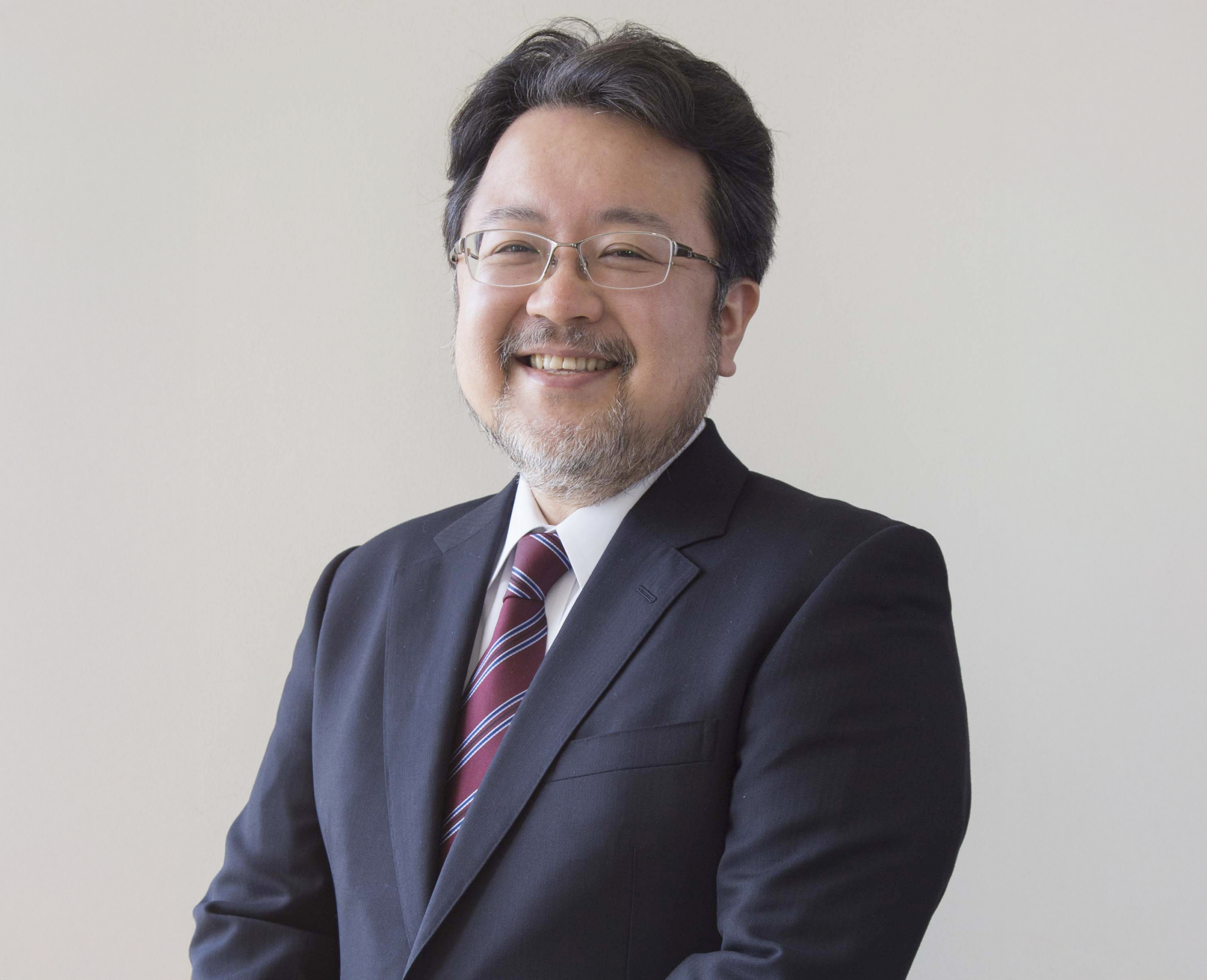
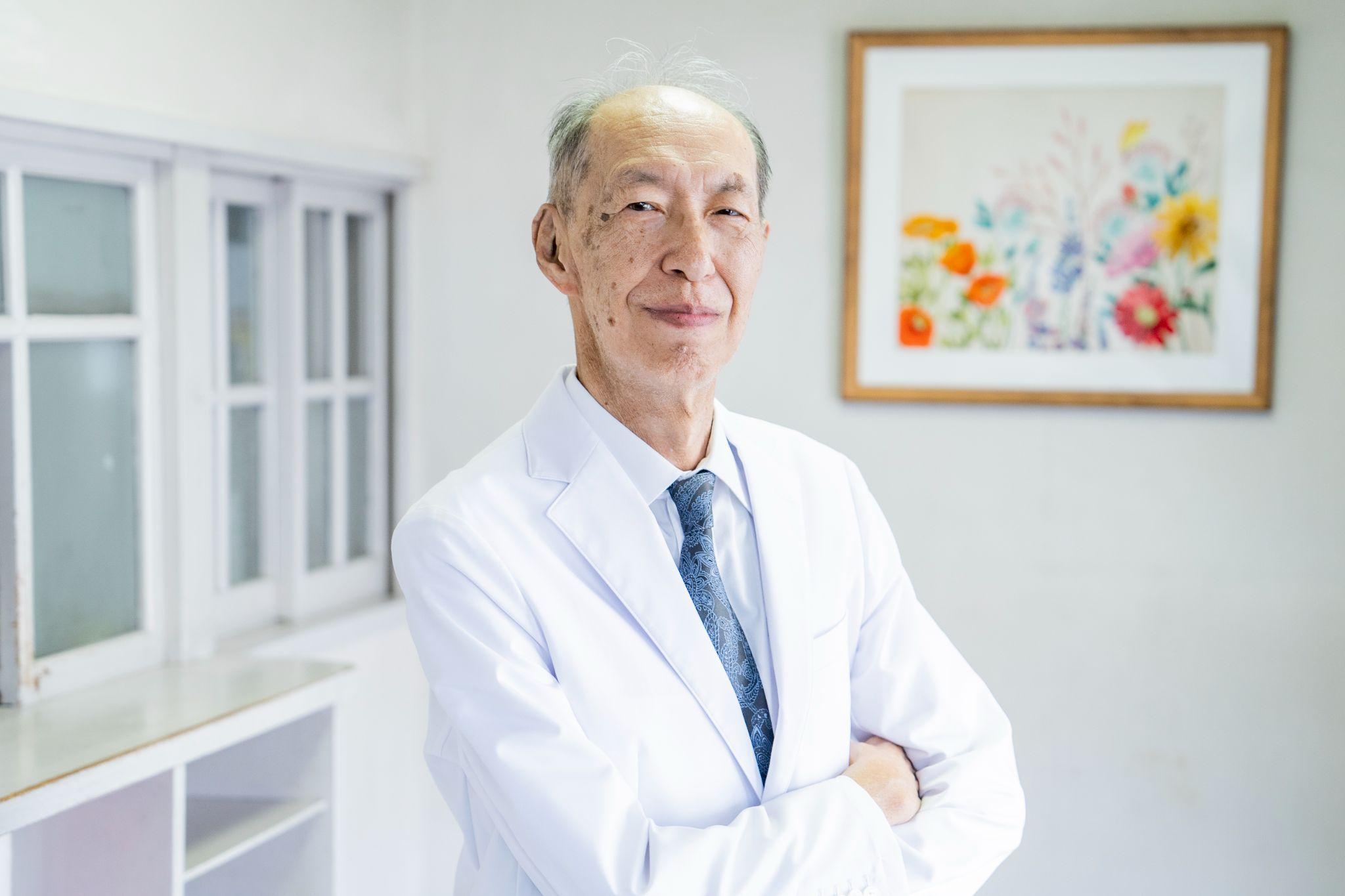
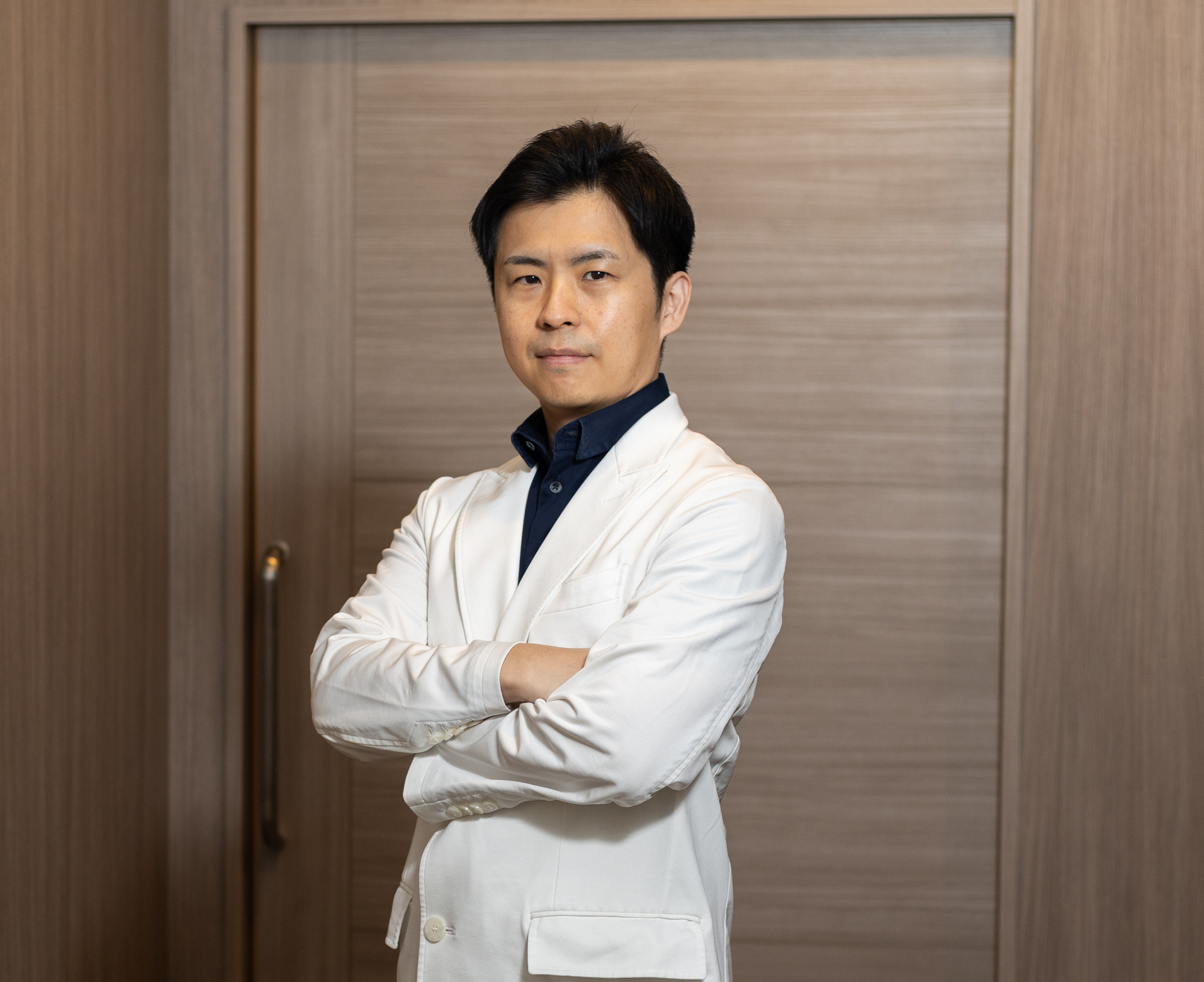
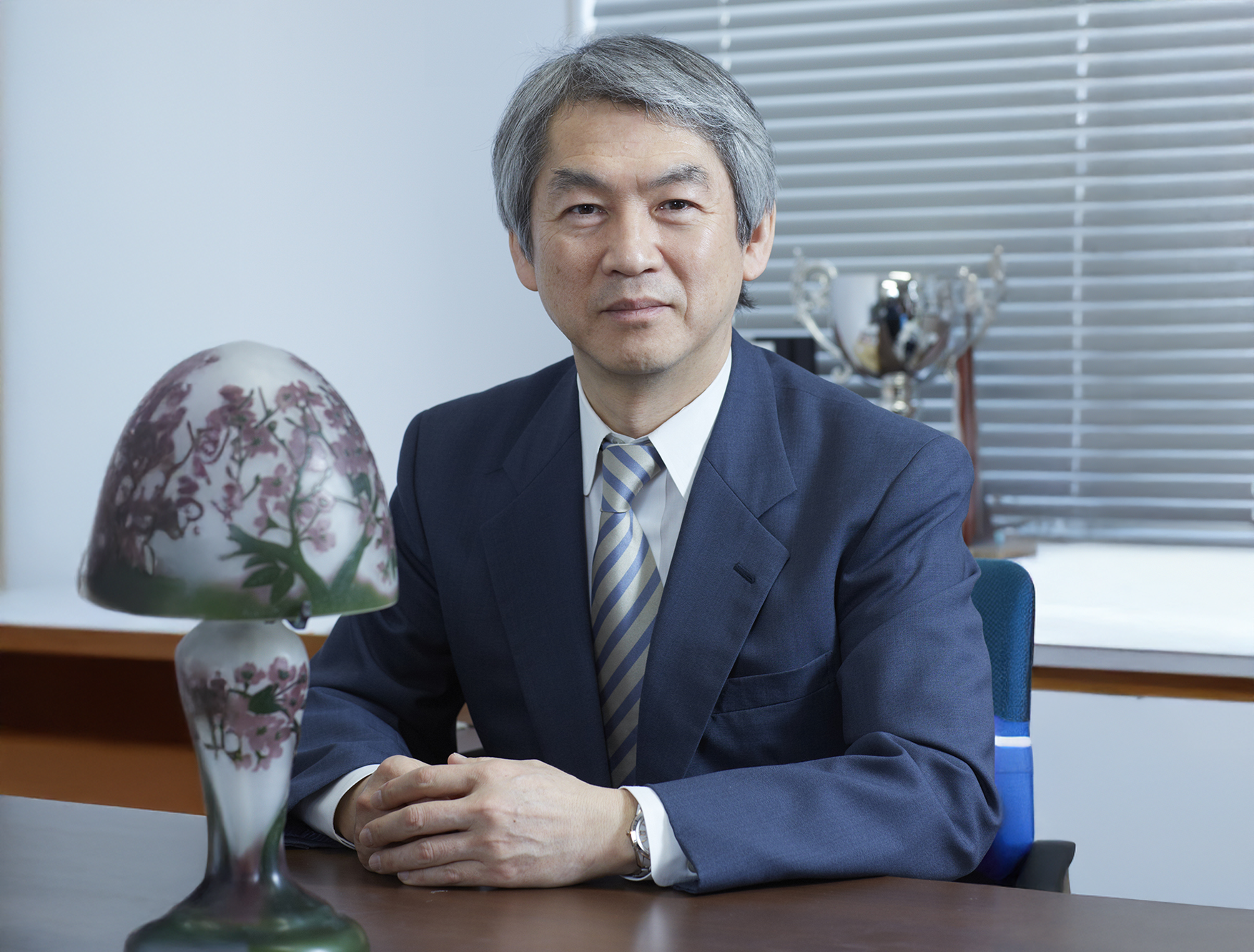
Hiroyasu Kobayashi
Director
Kobayashi Internal Medicine & Respiratory Clinic, Kōjitsu-Kai Medical Corporation
Website:https://kobayashi-lung.com/
Respiratory specialist who began in rural medicine. Published research, further study, and now runs a clinic in Mie.
- TOP >
- FEATURE ARTICLES >
- Hiroyasu Kobayashi
Longing for the young doctor heading to the remote island
I was born in Mie Prefecture. My parents were not doctors; I grew up with a father who was a civil servant and a mother who was a full-time homemaker. While I wasn’t specifically encouraged to become a doctor, I found myself vaguely wanting to be one without having a clear image of what a doctor was.
One day, I saw a documentary about a young doctor assigned to a clinic on Kamishima, a remote island in Mie Prefecture, an area with a shortage of medical services. I was captivated by the sight of him boarding the ferry and heading to the island with such confidence, his easy conversation with the many islanders, and his words and actions showing a strong resolve to protect their health. I wanted to live that kind of doctor’s life. That was the moment I decided to become a doctor dedicated to protecting the community.
My Seven-Eleven Days at Jichi Medical University
Through a documentary program, I learned that he was a first-year student at Jichi Medical University. Jichi Medical University was established to address physician shortages in medically underserved areas. Each year, several students are selected from each prefecture. In exchange for having their tuition waived, they are obligated to work for nine years after graduation at medical institutions designated by their home prefectural government.
I too shared this aspiration and was able to enroll at Jichi Medical University as part of its 10th cohort. While the university offers various programs to train physicians dedicated to community healthcare, it also provides education in organ-specific medical specialties, much like other universities. At that time, Professor Shiro Kira, an authority in respiratory medicine, was at the university. I learned not only from his vigorous spirit of inquiry as a researcher but also his mindset as a clinician, which sparked my interest in respiratory medicine.
On the other hand, clinical training was rigorous. Among students at the time, it earned the nickname “Seven-Eleven” because we were required to spend long hours, from morning until night, at the bedside with patients. Presentations in front of professors demanded we speak without notes and answer questions accurately. While the guidance was certainly strict, for me, it was an extremely valuable time.
The first step toward becoming a doctor who protects the community
After graduating from university, I completed a two-year initial training program at a prefectural hospital in Mie Prefecture, where I rotated through various medical departments—a rare opportunity at the time. I then worked as an internist at a remote core hospital located at the southernmost tip of Mie Prefecture, performing hospital duties while also conducting mobile clinics in nearby isolated areas.
In my fifth year after graduation, I finally began working at a solo practice in Kiwa Town, Mie Prefecture. Kiwa Town is a remote mountain village, even deeper into the mountains than the remote core hospital where I had previously worked. While the first-year doctor featured in the documentary headed toward the sea, I headed toward the mountains.
My home was connected to the clinic by a covered walkway, and as a true member of the community, I took my first step toward a medical career dedicated to “protecting the community.” Back then, it was a remote location, isolated from main roads—a veritable island cut off from the mainland. Even shopping relied on a weekly traveling vendor. Moreover, the clinic where I worked was the town's only medical facility. Naturally, I had to handle every illness imaginable beyond internal medicine. It was a daily struggle, but I listened carefully to what patients said and worked desperately to protect the community. Looking back now, gaining this kind of experience—something impossible in a city hospital—has become my greatest treasure.
Townwide Breathlessness Screening
At the clinic where I worked, many patients came in complaining of shortness of breath at that time. Initially, I thought it might be due to the hilly terrain in the mountainous area and weakened legs and hips from aging, but I gradually came to suspect that wasn't the whole story. In the examination room, while no decrease in oxygen levels was observed at rest, I noticed that when measuring oxygen levels in patients who had walked to the clinic and were breathing heavily through their shoulders, the readings were significantly low.
At that time, pulse oximeters—medical devices capable of measuring oxygen saturation in real time—were just beginning to appear. I contemplated whether it might be possible to conduct a town-wide screening using these devices. Around that time, I heard that Dr. Osamu Taguchi of Mie University Hospital, who would later become my supervisor, had begun conducting exercise stress tests for respiratory function. While routine checkups are performed at rest, Dr. Taguchi's tests involved measuring blood oxygen levels during activities like walking. Blood oxygen levels don't drop simply because one's legs and hips weaken; they decrease when cardiopulmonary function is in a pathological state. That's why I proposed a town-wide breathlessness screening program.
Discovering severe COPD cases through trust-based relationships with residents
When organizing a town-wide health screening, I was fortunate not only to be the only doctor working at the town's sole medical facility, but also to live as a member of the community, maintaining active daily interactions with residents. When I called for participation in the screening, I received enthusiastic support from many people. They kindly lent us the town gymnasium as the venue and even provided a bus to transport participants to the screening site.
As a result, 360 people (out of a total town population of about 1,000) participated. The test was extremely simple: participants walked while wearing a pulse oximeter, allowing us to monitor changes in oxygen saturation over time before, during, and after walking. The results revealed that 40 out of 360 people experienced low oxygen levels during walking. Of these, 24 were diagnosed with COPD (chronic obstructive pulmonary disease).
COPD, also known as tobacco disease, is caused by long-term smoking damaging the lungs. As a result, in addition to respiratory symptoms like coughing, phlegm, and shortness of breath, the body becomes unable to absorb oxygen efficiently, leading to low blood oxygen levels. Furthermore, it is a disease that can progress to serious conditions such as lung cancer.
The turning point came with the submission to the medical journal Chest
After that, carrying the days I spent in Kiwa Town in my heart, I completed my mandatory service period at Jichi Medical University and began working at Mie University Hospital. While my days were initially consumed by clinical work and student education, I finally found time to focus on my own research. I decided I wanted to preserve the “shortness of breath screening” initiative I had conducted in Kiwa Town in some form, so I resolved to compile it into a paper.
After some twists and turns, it was ultimately published in Chest, a globally authoritative medical journal in the field of respiratory medicine. Having this small initiative from a remote village in Mie Prefecture recognized was a tremendous encouragement to me. While identifying previously overlooked diseases through this research was a significant achievement, it also left me reflecting on how we could have diagnosed and treated these conditions sooner. This experience became a major turning point for me as a physician.
Studying cutting-edge medicine at the prestigious Cornell University Medical College
After earning my degree at Mie University, I heard Cornell University in the US was recruiting researchers and I applied. My reason was that I wanted to gain time to immerse myself in research.
Cornell University Medical College is located on New York's Upper East Side, and I ended up studying under Professor Crystal, a world-renowned authority in respiratory medicine. There, I primarily worked on elucidating the pathophysiology of respiratory diseases, alongside research into gene therapy for intractable infectious diseases. Specifically, this involved treating Pneumocystis pneumonia, which occurs in individuals with acquired immunodeficiency syndrome (AIDS), by genetically modifying immune cells.
While deeply immersed in my own research, I also spent a meaningful time receiving diverse inspiration from researchers gathered from around the world. However, during my stay in the United States, I experienced the devastating 9/11 terrorist attacks in New York. The days that followed, marked by the ongoing trend of global division, continued to weigh heavily on my heart.
Toward resolving the unfinished tasks accumulated at the remote clinic
After returning to Japan in 2003, I spent my days engaged in research, clinical practice, and education at institutions such as Mie University and Suzuka Central General Hospital. Gaining experience allowed me to understand various diseases and treat them with confidence.
Yet, at the same time, a question began to simmer within me: Couldn't these illnesses have been prevented in the first place?
I found myself feeling the same emotions I had after conducting the “shortness of breath screenings.”
Shortly before turning 60, I decided to make resolving the unfinished work left behind at that remote clinic the culmination of my medical career. In 2022, I took over the practice from my predecessor. While Kameyama City isn't as remote as Kiwa Town, it similarly has little flat land and features a rugged, hilly terrain. Many patients visit complaining of shortness of breath. I strive not only to treat them but also to teach ways to prevent illness.
Give back everything I've gained to the community
At the clinic, I strive to meet patients' needs as much as possible while providing comprehensive care, all while working as a respiratory specialist. In Japan, where healthcare costs are rising, addressing issues before they become full-blown diseases will be increasingly important going forward. I particularly want to focus more on the early detection and prevention of worsening in COPD (chronic obstructive pulmonary disease), an area I have been involved with for many years. While rising healthcare costs are a major social issue in Japan, identifying diseases at the pre-disease stage and guiding lifestyle improvements holds the key to solving this problem.
To achieve this, we are strengthening screening systems like “lung check-ups” and aiming to become a regional hub for raising awareness and providing preventive care to eradicate COPD.
Furthermore, we plan to rebuild the clinic next year, aiming to enhance convenience for local residents. It is none other than my patients who have nurtured me to this point. To repay this debt, I am determined to give back to the community the experience, knowledge, and skills I have cultivated, contributing to the region's health promotion.