- TOP >
- FEATURE ARTICLES >
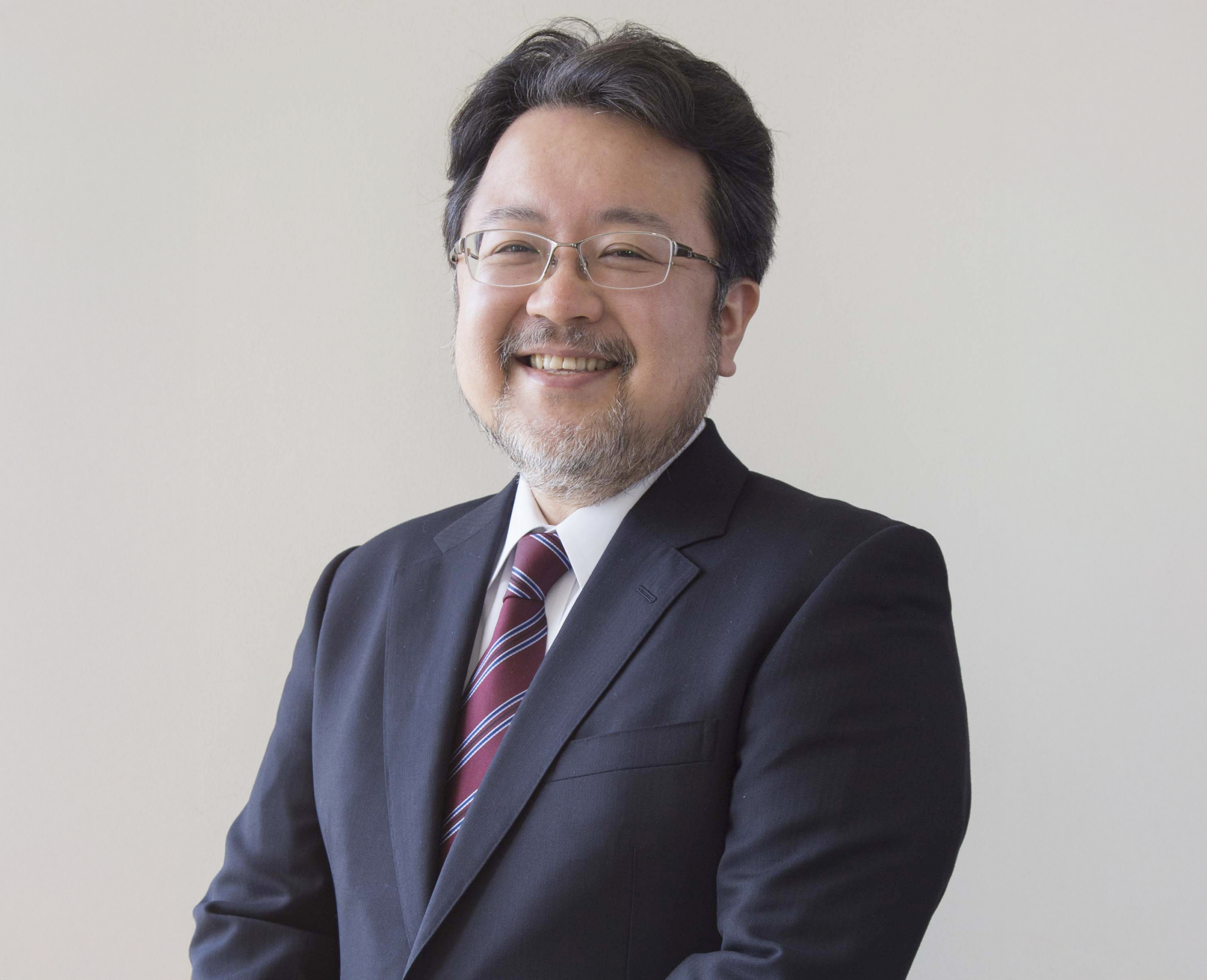
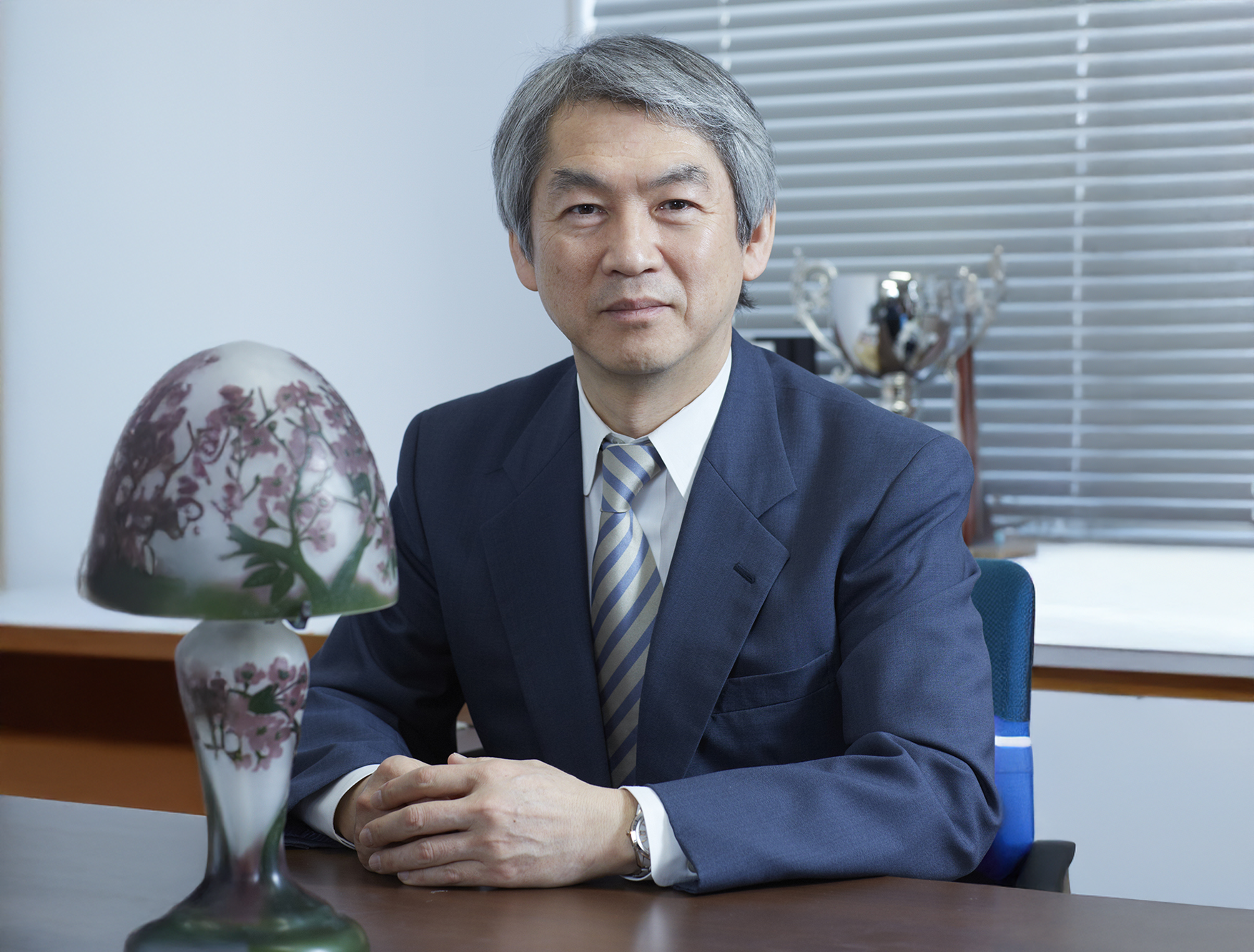
- Shunichi Kobayashi
“True evolution means reaching beyond the limits of one’s imagination.”
Shunichi Kobayashi
Chairman & Internist
Shunsō-Kai Medical Corporation
Website:https://shunsoukai-group.com/
Internist providing whole-person care, integrating preventive medicine and health education for patients and families
- TOP >
- FEATURE ARTICLES >
- Shunichi Kobayashi
Tackling Japan’s Next Medical Challenge: Extending Healthy Life Expectancy
“Healthy life expectancy” refers to the years one can live without restrictions caused by disease, free of illness and disability. In Japan, one of the biggest challenges in healthcare today is how to extend that period of life. For Japanese men, the average is about 72 years; for women, around 75. Meanwhile, the average lifespan is roughly 81 for men and 87 for women. That ten-year gap represents a decade in which many live with chronic conditions.
To narrow this gap, early detection and proactive health management are essential. In other words, by maintaining a balanced diet and undergoing regular screenings before symptoms appear, people can increase their chances of living a long and healthy life. It sounds simple, but there’s a persistent problem: who will lead these efforts, and how?
Public health authorities encourage cancer screenings and other tests, but the participation rate remains around 50 percent. Many people don’t act on postcards or online reminders alone. I’ve found that what truly motivates patients is a direct recommendation from a trusted primary care doctor. When a family doctor provides accurate information and actively encourages needed exams or vaccines, it can lead to real behavioral change.
In my own clinic, I’ve seen how recommending endoscopy helped detect cancer at an early, treatable stage. Experiences like this reinforce my belief that extending healthy life expectancy starts with helping patients build their own awareness and understanding of health.
The Struggles of a Young Doctor Pursuing Whole-Person Care
As a medical student, I was deeply moved by the philosophy of treating the patient as a whole person, not just the disease. During my residency, I worked hard to embody that principle in every aspect of care. Yet I soon realized the limits of Japan’s current healthcare system. Under the universal insurance program, physicians can only treat patients when they present symptoms.
That means if a patient with diabetes regularly visits the clinic, I can treat them—but if another patient feels fine and skips checkups, I have no opportunity to intervene. Many physicians share the frustration of diagnosing advanced cancer in a patient who hadn’t come in sooner, thinking, “If only they’d visited earlier, we might have caught it in time.”
I began to question whether I was truly treating the whole person. After much thought, I concluded that to offer real whole-person care, I needed to focus on preventive medicine that provides health education and encouraging early action. That realization became the foundation of my later work to extend healthy life expectancy.
Beyond Universal Health Coverage: Putting Whole-Person Care Into Practice
Japan’s universal health insurance is something to be proud of. It allows citizens to receive standardized medical services anywhere in the country at relatively low cost, contributing to Japan’s remarkable longevity. But to go beyond that achievement and extend healthy life expectancy, we must now turn our attention to prevention.
Preventive medicine has long been recognized as important, but because many of its services aren’t covered by insurance, costs can be prohibitive. Few people without symptoms voluntarily undergo regular tests unless they already have a strong health awareness.
To drive behavioral change, patients must first develop a sense of ownership over their health. That begins with clear, direct communication about accurate medical information, potential risks, and what life might look like if illness goes untreated.
Rather than relying on indirect outreach like posters or mailers, I believe the message should come directly from a trusted physician and clinic staff. Combining comprehensive insurance-based care with proactive health education became the cornerstone of what I call “practice-based whole-person care.” It’s an approach that integrates prevention, education, and treatment as a unified practice shared by every member of the healthcare team.
How Practice-Based Whole-Person Care Changed My Clinic
To make this concept easy for patients to understand, I began describing my clinic as “a place to learn about health and disease.” Each month, we focus on a specific condition, sharing information not only about primary illnesses but also related ones. We also collaborate with nearby medical institutions to guide patients toward appropriate tests and vaccines not offered in-house.
Over time, I began to see tangible results. Patients started asking, “The receptionist recommended a vaccine—should I get it too?” or expressing gratitude after early cancer detection. Some told me, “Thank you, doctor. You caught my cancer early enough for successful surgery.”
Hearing patients say things like, “Now I understand how deeply you care for us,” filled me with genuine happiness. My staff, too, became more proactive—offering new ideas and taking initiative to educate patients further. The clinic grew stronger and more united through a shared sense of purpose.
I came to believe that this model, practice-based whole-person care, truly represents the ideal form of treatment.
Expanding the Circle: The “My Family’s Primary Care Doctor” Project
After witnessing the success of our model, I wanted to bring it to more people, especially those who don’t visit clinics regularly. Many first-time patients I see arrive only after their conditions have already progressed, often because they had never undergone any screening or checkups before.
We medical professionals can’t always reach those people directly. The breakthrough came from something a patient once told me: “My son dragged me here against my will.” It made me realize that while some may not listen to doctors, they’ll often listen to family.
That insight became the heart of the “My Family’s Primary Care Doctor” project. The idea is simple: if our regular patients share what they’ve learned about health and disease with their loved ones, they can help protect their families too.
Imagine a patient telling her daughter, “My doctor recommended an endoscopy, and they found early-stage cancer. You should get checked too.” That kind of family-to-family encouragement can reach people who might otherwise never seek care. By spreading health awareness through personal connections, we can create a broader circle of wellness.
A New Vision: Franchising Health Education
To expand this circle even further, I began developing new clinics where people can learn about health and illness—both directly operated and franchised under the Shunsokai Group’s “My Family’s Primary Care Doctor” brand.
Launching a franchise within Japan’s insurance-based system, where medical acts and fees are standardized, was a major challenge. I decided to focus not on business expansion but on shared philosophy. Partner clinics join only if they align with our vision of prevention-focused, practice-based whole-person care.
Most existing medical franchises in Japan are in cosmetic or dental fields, which operate outside the insurance system. Our initiative, centered on insured, general medical care, is the first of its kind.
If this movement to spread health knowledge takes root nationwide, I believe it can fundamentally transform Japanese healthcare. In Japan, few outside the medical field have opportunities to learn about disease prevention. By creating those opportunities, we aim to elevate outpatient medicine to its next stage.
With the Shunsokai Group’s “My Family’s Primary Care Doctor” network, we’re building a healthcare infrastructure that connects like-minded clinics, fosters public understanding of health, and extends healthy life expectancy for people and their families across the country. This is just the beginning of that journey.