- TOP >
- FEATURE ARTICLES >
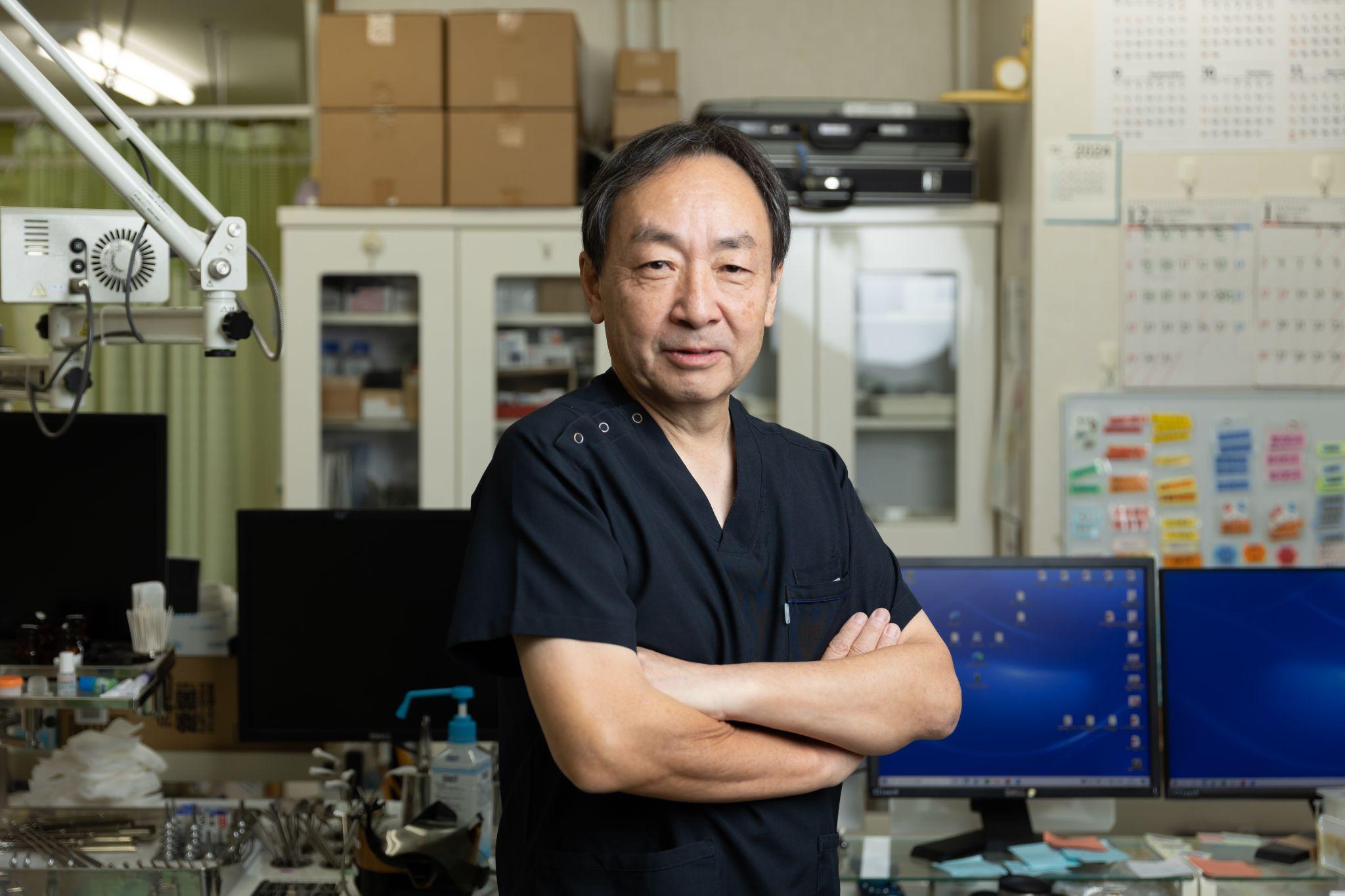
- Tadashi Nakamura
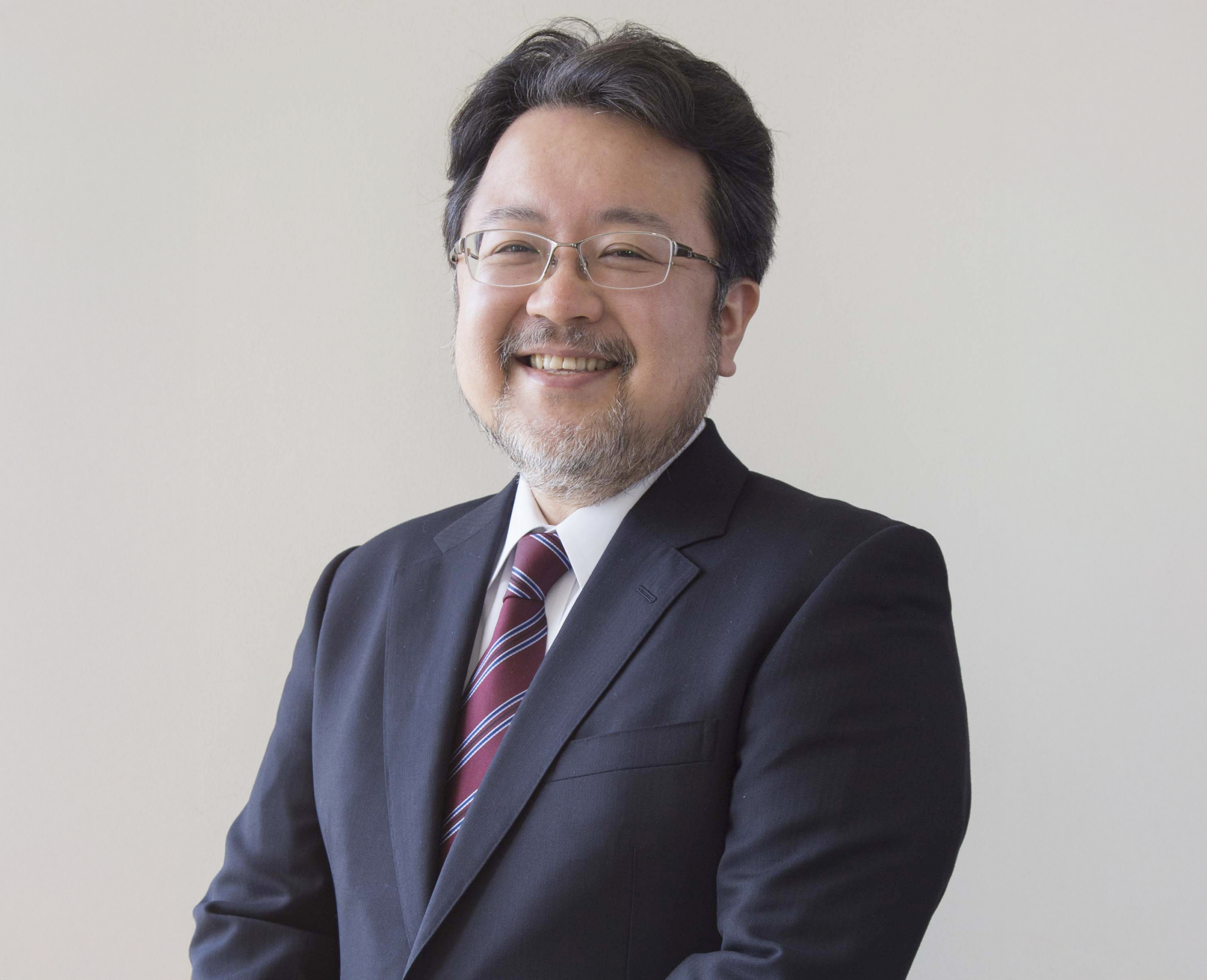
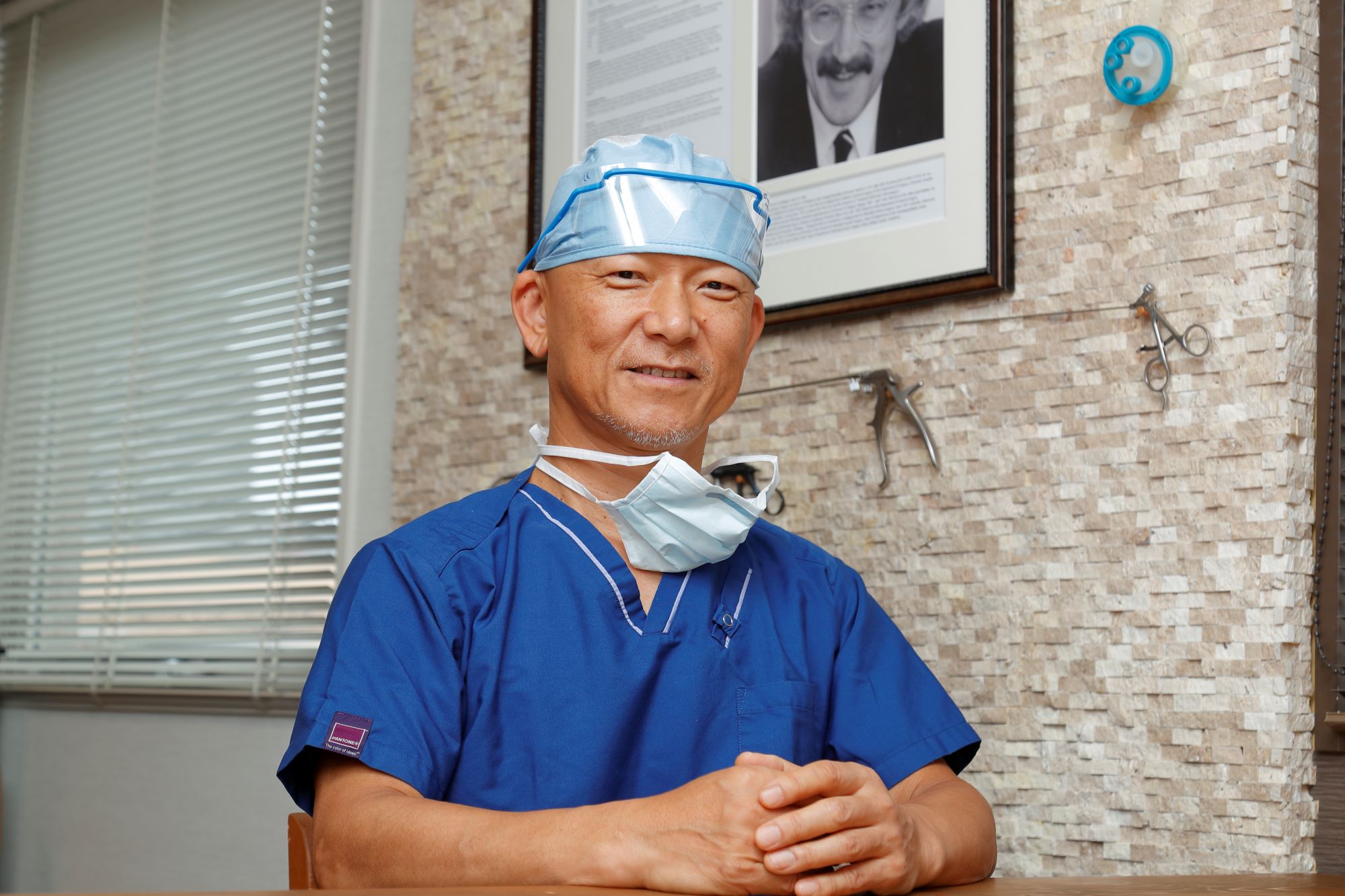
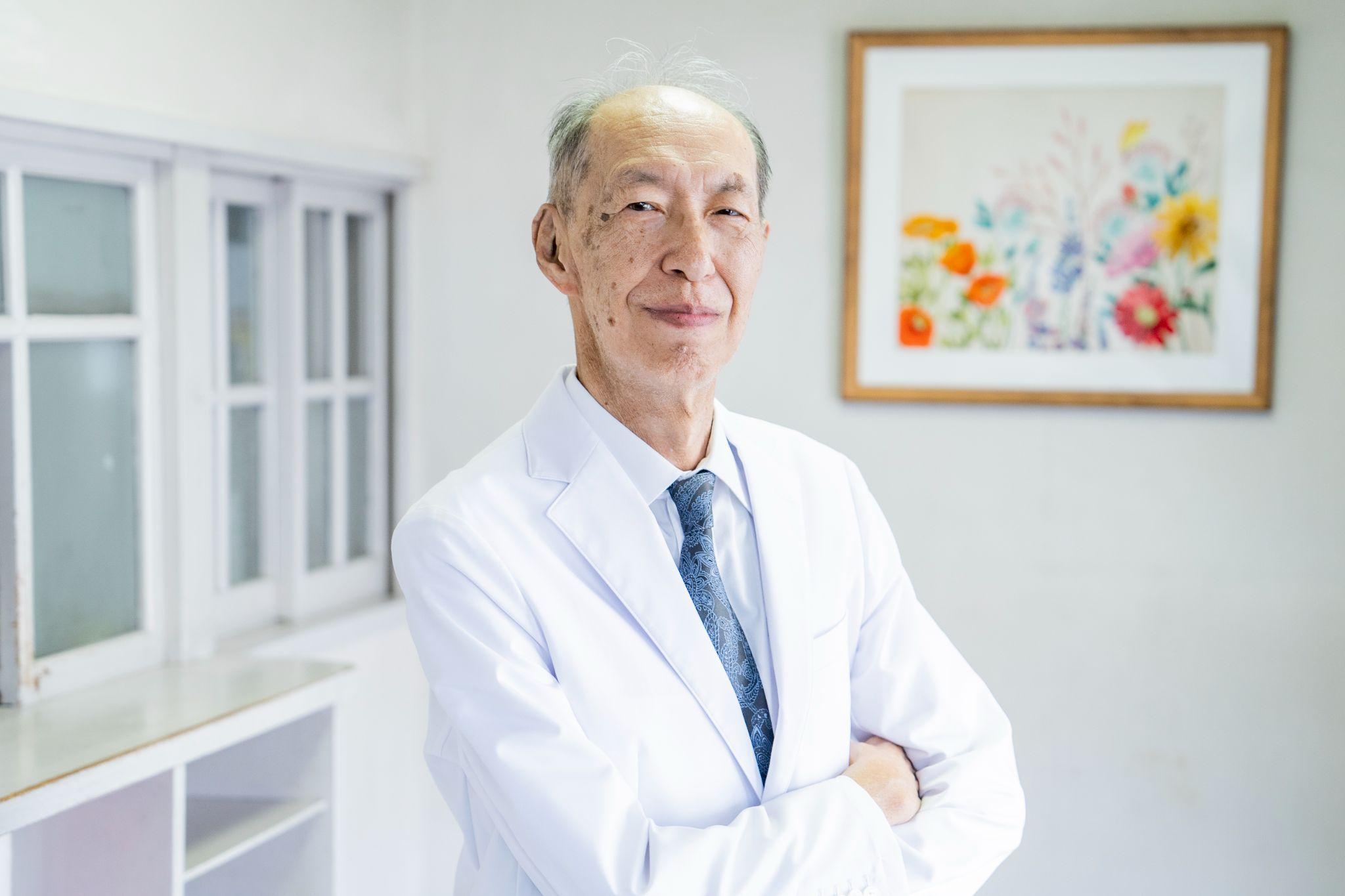
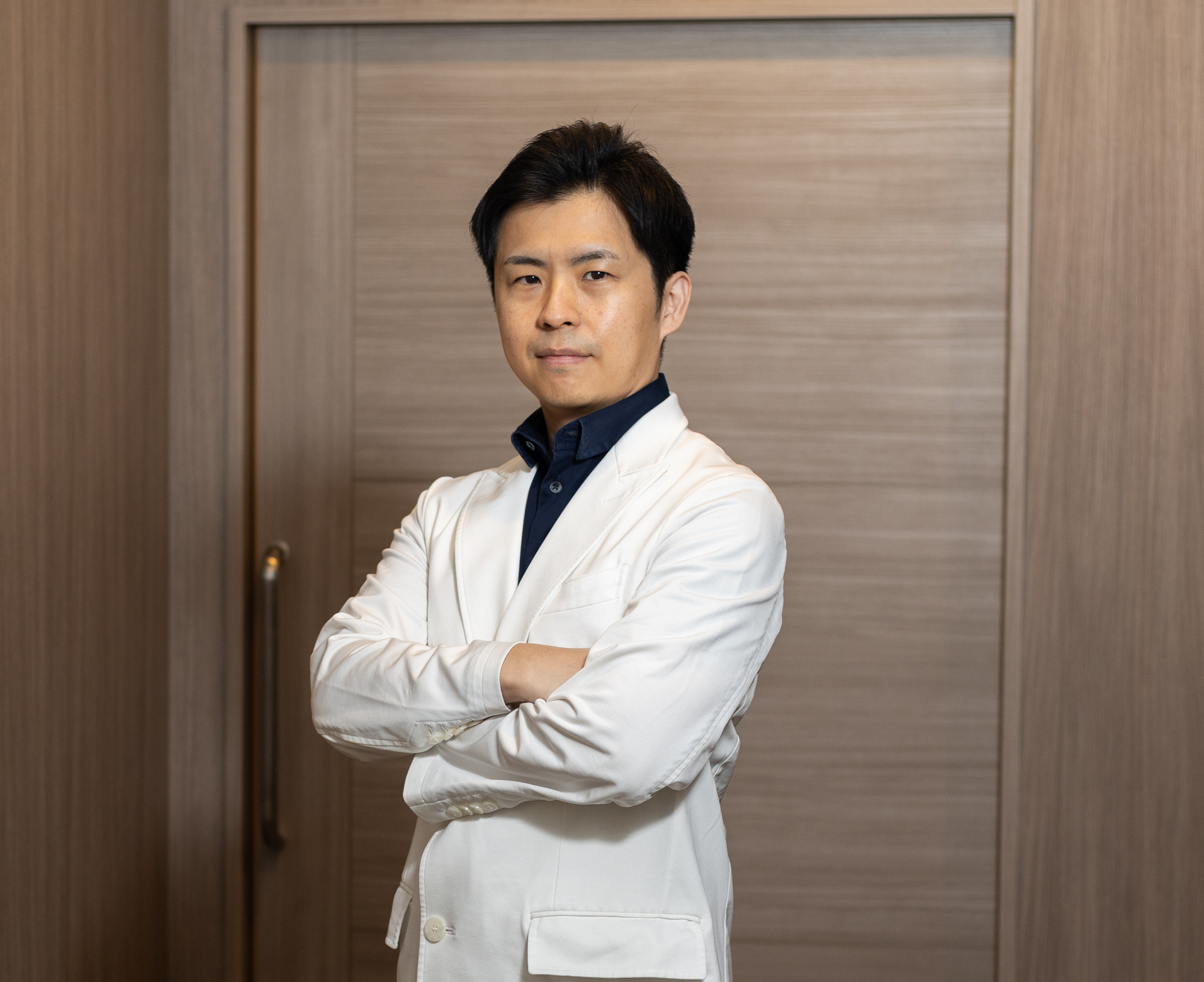
“No accurate diagnosis without observing nystagmus.”
Tadashi Nakamura
Director
Nakamura ENT Clinic
Website:http://www.memai-clinic.com/
Otolaryngologist who researched vertigo for two years in London. Now runs a clinic specializing in dizziness disorders.
- TOP >
- FEATURE ARTICLES >
- Tadashi Nakamura
Why I Became an ENT Specialist
My father, a fighter pilot in the Japan Air Self-Defense Force, was my greatest role model. From an early age, I took it for granted that I would follow his path. Becoming a pilot was my goal.
In my senior year of high school, I applied to the Japan Civil Aviation College without hesitation and passed the highly competitive academic exams. However, during the physical checkup, I was found to be slightly below the eyesight standard and was disqualified. In that moment, the dream I had held since childhood vanished, and I fell into despair. It felt as though the curtain had fallen on my life.
I took university entrance exams and was accepted by a general university, but I could not bring myself to enroll. During my gap year, a friend casually suggested, “Why not try for the new medical school?” I applied without much thought and was accepted. I had never considered becoming a doctor, yet I found the lectures surprisingly engaging. Before long, I began to think that medicine might actually be my calling.
In my third year, I had a chance to train in the Department of Otolaryngology, where I was fascinated by the precision and delicacy of microsurgery. I decided to join the department after graduation. From that point, I immersed myself in research and surgery, eventually becoming a clinical professor. Life truly is unpredictable. Looking back, I realize that the “second choice” I made back then was actually the path that shaped my life.
A Specialized Focus on Vertigo
When I joined otolaryngology, I was assigned to research “vertigo”. The subject immediately drew me in, particularly because the concepts of balance and spatial orientation connect with aviation and aerospace medicine; fields I had always admired. My personal interests and professional work aligned, and I devoted myself to studying vertigo.
In my thirties, I spent about two years in London at the supervision of Professor Adolfo Bronstein, whom I met at an international conference. That experience profoundly changed my approach to both research and clinical practice. Without it, I would not be who I am today.
Vertigo is a common symptom, experienced by many people at least once in their lives. But the causes vary widely. The most frequent is benign paroxysmal positional vertigo (BPPV), caused by dislodged otoliths in the inner ear, accounting for about 30 percent of all cases. Yet sometimes vertigo signals serious conditions such as stroke or hemorrhage, so it can not be dismissed as minor.
Unfortunately, there are still few doctors who specialize in vertigo. Many patients remain undiagnosed or untreated — so-called “vertigo refugees”. Some travel long distances to visit my clinic after finding us online. Even those told by previous doctors that they must “live with it” often recover quickly once the true cause is identified and properly treated. That is why I continually emphasize the importance of consulting a specialist.
Why I Invest in New Technology
Accurate diagnosis of vertigo depends heavily on observing eye movements, known as nystagmus. Because it is impossible to see clearly with the naked eye, infrared video goggles are indispensable. These devices are expensive, but essential for correct diagnosis.
My clinic is equipped with the same level of diagnostic technology found in university hospitals. Basic tools can offer partial insights, but detailed analysis requires advanced equipment. It is true that such investments rarely pay for themselves financially, but I believe the value of accurate diagnosis far outweighs the cost.
I have long been interested in computers and even earned my doctorate through research on computerized nystagmus analysis. Recently, I have also been exploring the use of AI in the clinic—for transcription, automated record keeping, and diagnostic support. AI tools are particularly useful for handling drug information and image analysis. Still, certain aspects of diagnosis and treatment remain uniquely human.
AI will no doubt become even more capable, but the essence of being a doctor lies in judgment and communication. Providing reassurance and building trust are uniquely human tasks that no machine can replace.
Sharing Knowledge Through Education and Outreach
Throughout my career, I have lectured and written extensively to raise awareness of vertigo treatment. Many ENT doctors tend to avoid vertigo cases, so I encourage younger physicians to take an active interest in this field.
In emergency medicine, too, young doctors often struggle with vertigo cases. Proper training is crucial to avoid missing serious conditions such as stroke. My clinic also accepts emergency medicine residents, giving them practical experience through real cases.
AI has great potential as an educational tool, but when it comes to nuanced judgment and patient communication, human sensitivity and experience remain essential. The next generation of medical professionals must learn to integrate technology with empathy and insight.
Finding Balance in Work and in Life
I recently turned 71. People often tell me I look young for my age, but I can feel my physical limits. It is time to pass the torch to younger, energetic doctors.
From here on, I plan to focus exclusively on vertigo cases and leave general ENT practice to others. Many patients across Japan suffer from chronic vertigo, and I want to devote time to treating them carefully and thoroughly. My clinic now sees over a thousand new vertigo patients each year. It is a remarkable dataset that could have global value, and I am exploring ways to make use of it.
Outside work, I still find joy in my lifelong love of aviation. Model airplanes fill both my clinic and home—more than a hundred half-built projects, to my wife’s dismay. They often spark conversations with patients, though. I’ve even taken flight training in Hawaii and Guam, though I’m still a ways from earning my license.
Music is another passion; I continue to play in a rock band I started as a student. Between my hobbies and my practice, I try to live life with balance—something every doctor of vertigo should appreciate.