
- TOP >
- FEATURE ARTICLES >
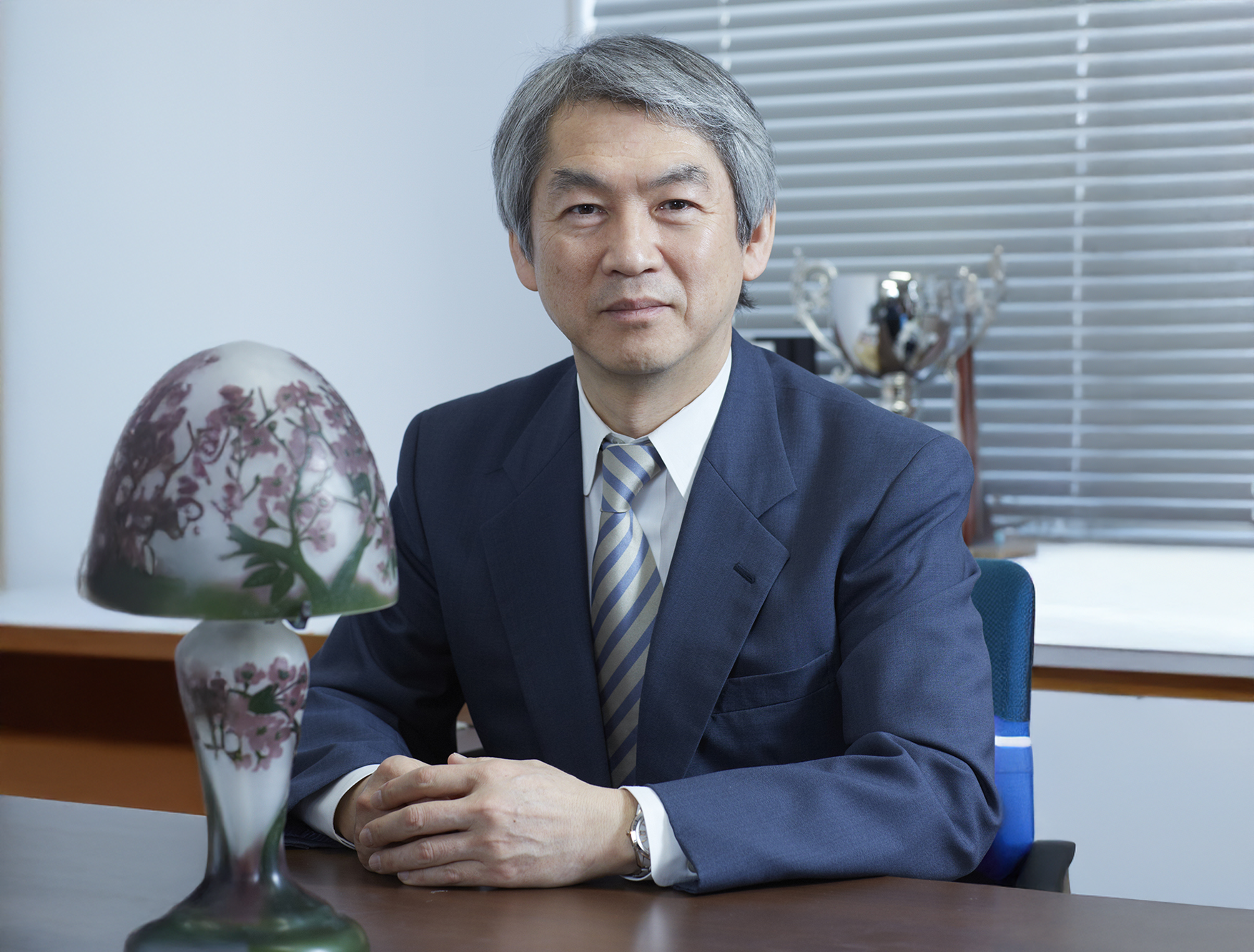
- Katsumi Takizawa
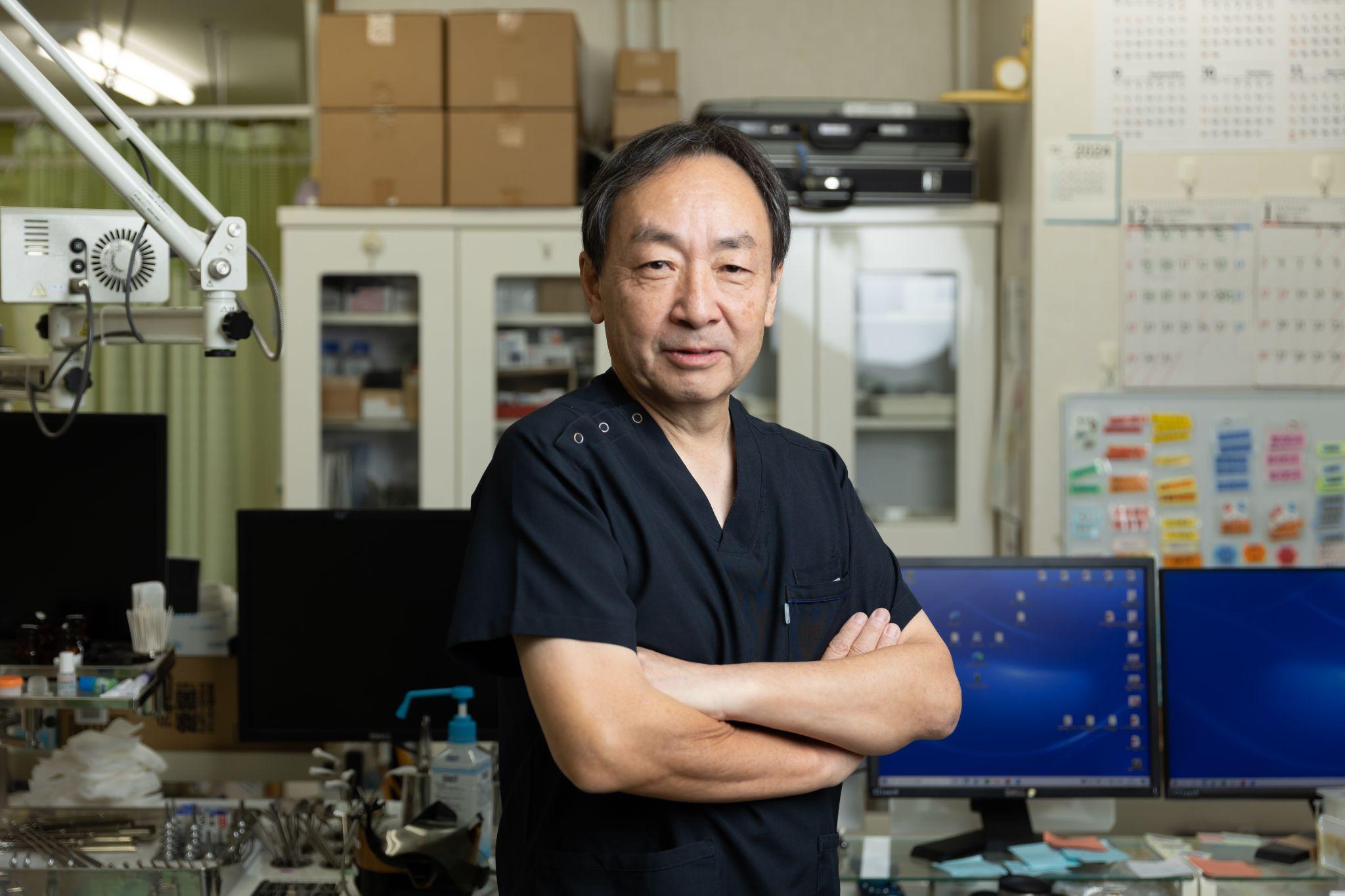
“Do ordinary things thoroughly.”
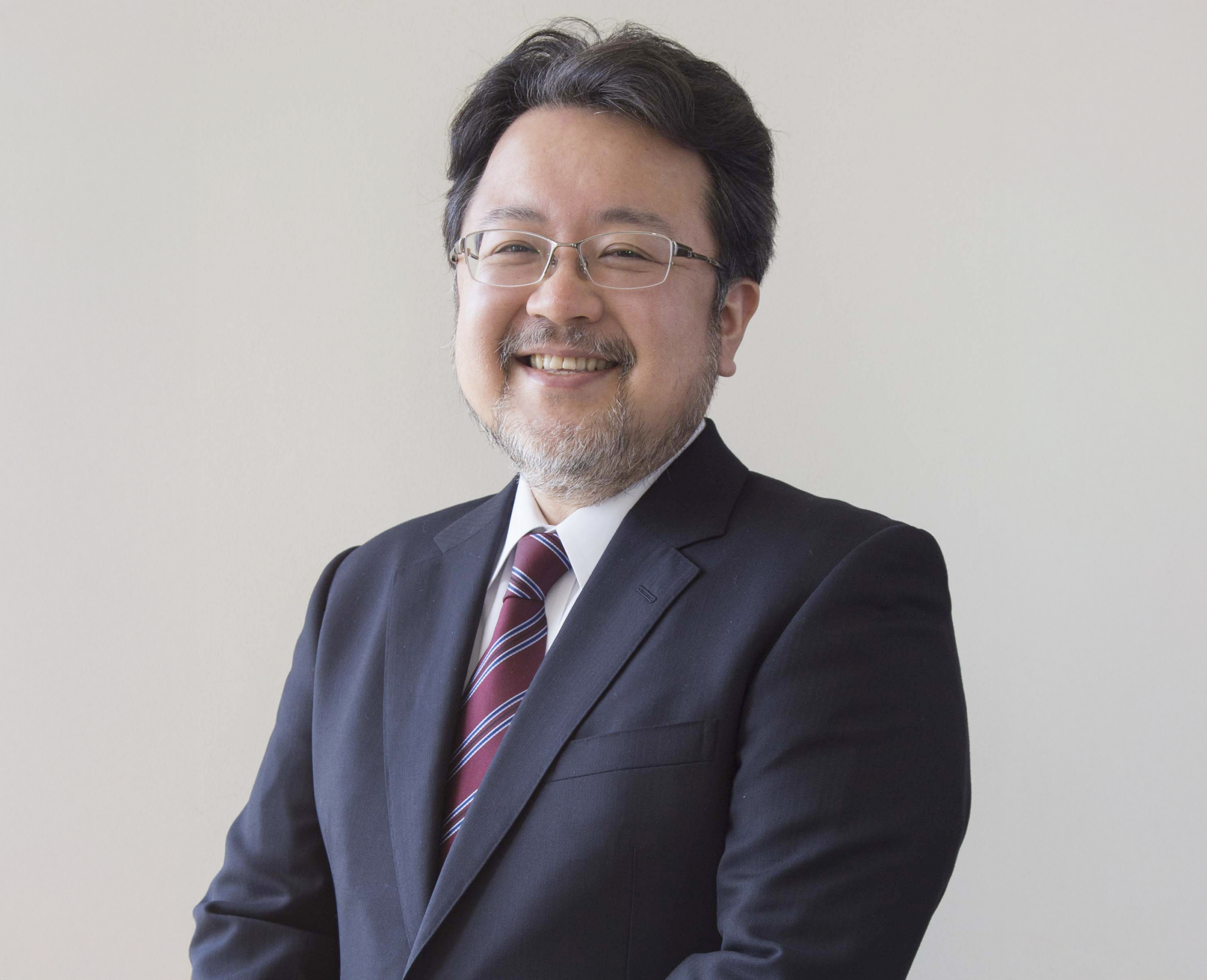
Katsumi Takizawa
Deputy Director
Asahikawa Red Cross Hospital, Japanese Red Cross Society
Website:https://www.asahikawa.jrc.or.jp/
Neurosurgeon with experience of over 350 surgeries in 15 countries. Dedicated to mentoring students in Southeast Asia.
- TOP >
- FEATURE ARTICLES >
- Katsumi Takizawa
A Track Record That Draws Attention from Abroad
Our neurosurgery department performs roughly 500 operations a year. In recent years, endovascular treatments for cerebral aneurysms have become widespread, and the number of hospitals capable of performing open-craniotomy procedures has declined significantly. In that specific area, we are almost certainly among Japan’s top ten in case volume.
Because of this, we often receive surgical requests from other institutions. I suppose I’m easy to ask—by nature, I don’t like turning people down.
Outside Japan, I’ve operated in countries such as Vietnam, Uzbekistan, and India. Medical infrastructure in those regions is often less developed, and many patients don’t seek care until their condition becomes critical. I’ve encountered enormous brain tumors and other severe cases that are virtually unheard of in Japan. Those experiences have become part of my professional foundation—and the lessons I’ve learned abroad ultimately help me provide better care for my patients at home.
A Vicious Cycle in Japan’s Medical System
Since April 2024, new regulations under Japan’s work-style reform law have strictly capped physicians’ overtime hours. It’s a positive step, but in our field, it presents a real dilemma.
Neurosurgery and emergency medicine have long relied on doctors who are driven less by working hours and more by a sense of duty to save lives. If overtime beyond the set limit is simply prohibited, hospitals are left with only two options: reduce workload or increase staff. But we can’t exactly say, “Sorry, we can’t accept emergencies after hours.”
Meanwhile, physician shortages—and uneven distribution across regions and specialties—continue to worsen. Doctors naturally gravitate toward better working conditions and urban centers. Add Japan’s declining birthrate, and this imbalance will only deepen. As universities struggle to dispatch doctors to affiliated hospitals, shortages will intensify even further. It’s a textbook vicious cycle.
Real Solutions Require Government Action
Ultimately, nothing can change unless the number of doctors increases. In regions like Hokkaido and Tohoku, where I work, the shortage is compounded by the steady aging of the medical workforce. I know of municipal hospitals that have neurosurgery departments but no neurosurgeons left—and no replacements from universities.
Our own department has eight neurosurgeons, with an average age in the mid-fifties. We worry constantly about what things will look like five or ten years from now. We can no longer rely on people’s sense of duty alone to sustain the system. If workloads are heavy and hours are long, they need to be compensated accordingly.
This is a structural issue that only policy can address. I believe the government needs to take decisive steps. There are already efforts such as the Community Healthcare Vision, which aims to align local medical systems with community needs. If a region has more hospital beds than necessary, consolidation will follow. Some facilities may close if they can’t comply with work-style reforms. Once that process runs its course, I suspect the government will slightly loosen the regulations again, allowing for renewed growth under a more balanced system.
Staffing Solutions and the Promise of Digital Transformation
However the broader policy evolves, we must first secure enough personnel to sustain neurosurgical care in the short term. Our hospital coordinates with other facilities across Hokkaido, sending physicians to assist where they’re needed.
For younger doctors, though, the early years are a time to learn by doing—to gain hands-on experience with as many cases as possible. It’s understandable they’re reluctant to work in hospitals where surgeries are rare. So we’ve tried to structure things differently: by gathering about ten neurosurgeons at our hospital, then rotating experienced doctors every few months to support regional facilities. While the veterans are away, younger doctors here can train intensively. Once they’re ready, they can take over, allowing us to repeat the cycle with the next generation.Community Healthcare Vision
Digital transformation can also help. Apps like JOIN, which allow medical professionals to share data and images securely, make real-time collaboration possible. When an emergency patient with a stroke is brought in and there’s no specialist on-site, JOIN lets us quickly transmit images and exchange assessments—a vital tool for remote regions like ours.
Passing Knowledge Forward—and Revisiting It Someday
We host many trainees from both Japan and abroad—typically for one to three months. They come from countries like India, Thailand, Malaysia, and Algeria. All of them are highly motivated and talented. Malaysia, for instance, has relatively few neurosurgeons, so those who come here work extremely hard to absorb every bit of knowledge they can.
When they return home and share what they’ve learned, it raises the standard of care in their own countries. Seeing that happen is deeply rewarding. The skills they take back also help preserve and expand the techniques I’ve developed. After I retire, I hope to visit those countries again—this time as a traveler—and see how far their work has come.
Keep Learning, Keep Reaching Out
To young people, I want to say: stay curious and keep moving forward. It’s comfortable to surround yourself with people who share your world and your values—but that’s not the whole world. Since appearing on television, I’ve met people from entirely different fields—a copywriter, a cave explorer, and others whose backgrounds are nothing like mine. Those relationships have been a tremendous source of inspiration.
Meeting new people can change the course of your life. Stay curious, build connections, and keep working hard. I’m certain the value of that will become clear to you someday.