- TOP >
- FEATURE ARTICLES >
- Heii Arai
“Like a willow.”
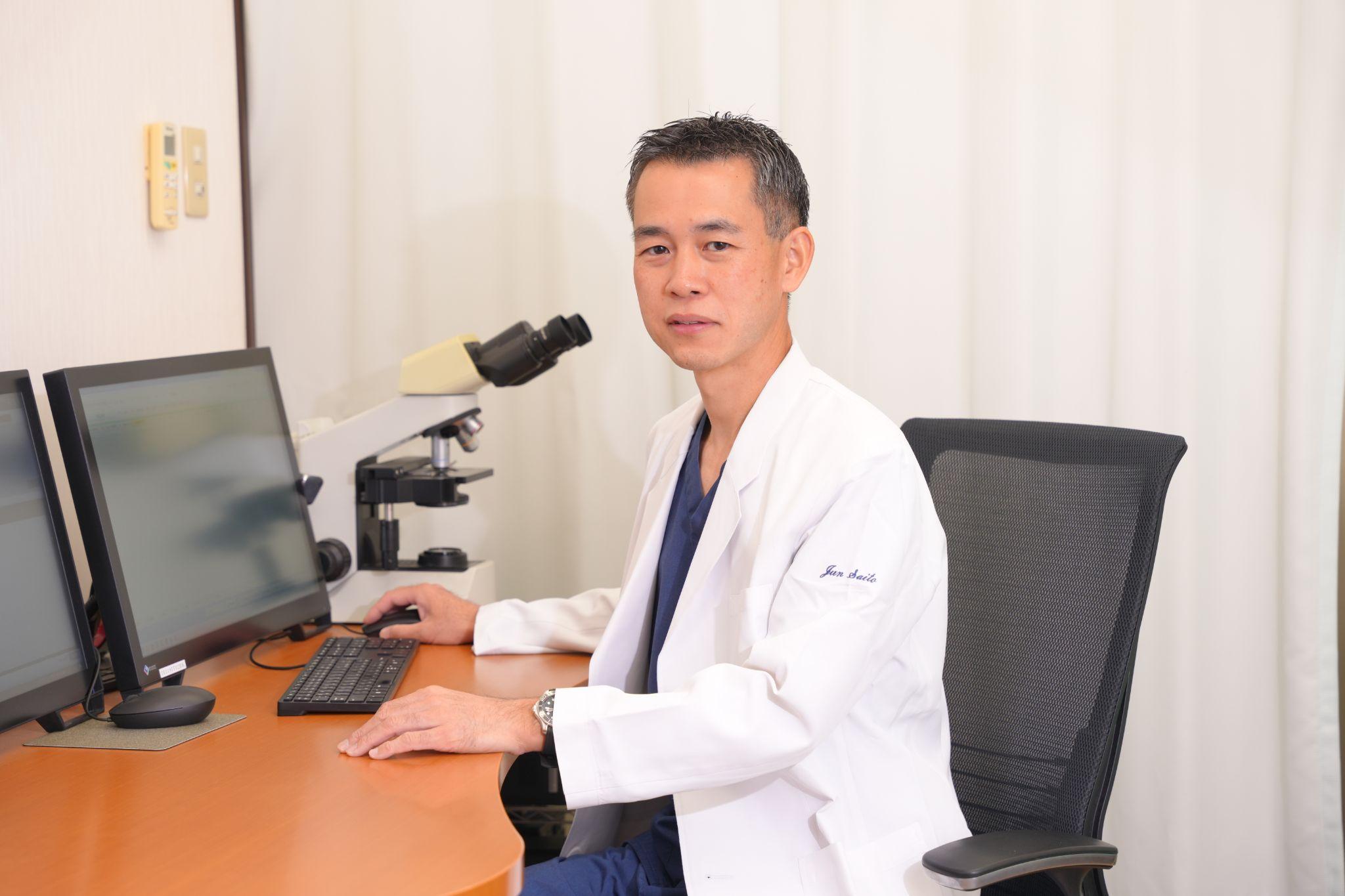
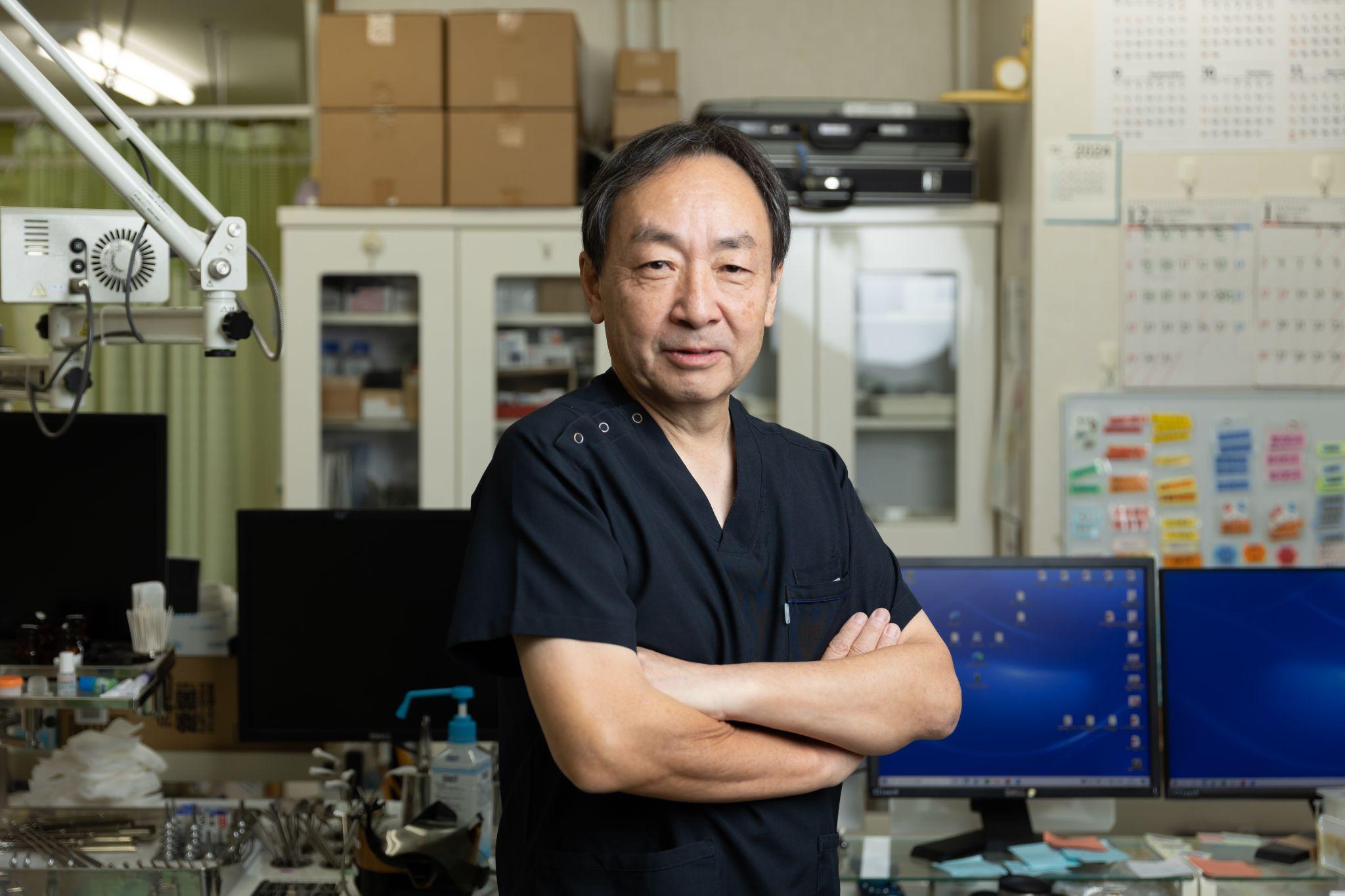
Heii Arai
Director
ALZCLINIC PET Lab
Website:https://alz.tokyo/
Professor Emeritus at Juntendo University, specializing in geriatric psychiatry with a focus on Alzheimer’s disease.
- TOP >
- FEATURE ARTICLES >
- Heii Arai
Understanding Each Patient’s Background and Values
As physicians, our job is to give the right advice based on medical evidence. Medicine is neither religion nor fortune-telling, so we cannot simply say, “This way is best,” without evidence to support it.
Take smoking as an example. Some patients tell me, “Even if I get lung cancer, I still want to smoke.” I don’t have the authority to order them to quit. But I do have a responsibility to explain the medical evidence—the link between smoking and lung cancer, the risks, and the importance of regular checkups—and to provide advice that helps them live healthier lives. That way, they can think clearly about their own future.
Whether or not the choice a patient makes is “good,” what matters is that they receive treatment they accept and understand. My role is to give them full medical support for that choice.
For patients with mild cognitive impairment (MCI) or dementia, a number of treatment options exist. Medication often plays a role, but preventive approaches are just as important. We strive to create an environment where patients can ask questions freely, choose their own treatment, and feel secure while making the most of their lives.
The Importance of Early Prevention Through New Tests and Treatments
For patients and families to make clear decisions about treatment and lifestyle, they need emotional stability. Helping patients achieve that stability is, I believe, one of the psychiatrist’s most important roles.
At a first consultation or even during treatment, patients may feel depressed or irritable. When that happens, we first provide psychological support and, when necessary, medication. Once they regain stability, they sometimes ask me, “Doctor, what would you do?” I may answer, “If it were me, I might do this,” but I never say, “This is what you should do.”
Why? Because such words could alter the course of their lives, and there may not be sufficient scientific evidence to justify that level of certainty. More importantly, physicians should never assume a godlike role in someone else’s life.
In cases of MCI or dementia, multiple treatment choices exist, and if dementia risk can be detected in advance, it can be prevented. At our clinic, we’ve introduced amyloid PET scans, which can detect whether beta-amyloid has begun accumulating in the brain before symptoms appear.
This makes early prediction and early intervention possible. Treatments such as intravenous lecanemab or donanemab, which help reduce beta-amyloid, are now options. Patients choose whether to undergo testing or begin treatment after symptoms appear, but always with full and transparent information about the potential benefits and side effects. Our role is to align care with their wishes and circumstances.
Brain Health Café: A Preventive Approach Beyond Medication
Outside the clinic, we also run Brain Health Café, mainly for people with MCI or those who are otherwise healthy. Unlike typical “dementia cafés,” its purpose is prevention—helping people avoid dementia before it starts.
Medication alone is not enough. Non-pharmaceutical interventions such as diet, sleep, exercise, and social activity are vital. For example, if hearing loss, cataracts, or other vision problems go untreated, people withdraw from social interaction. That’s why early use of hearing aids or cataract surgery is important; it helps keep them active in society.
At our ALZCLINIC PET Lab in Yotsuya, graduate students from Sophia University’s geriatric psychology program join us in organizing intergenerational exchanges, exercise classes, art workshops, and nutrition sessions. We’ve also begun outreach online and plan to develop systems that allow even more people to participate, both locally and remotely.
A Career Devoted to Patients and Shared Dreams
I spent many years at the university engaged in clinical work and basic research. But academia often meant endless meetings and tasks that took me away from my own focus. Opening ALZCLINIC TOKYO has allowed me to concentrate fully on what I consider my life’s work: early prediction and intervention for Alzheimer’s.
When I see patients in the clinic, it feels as though we are walking together toward that dream. Along the way, I’ve learned countless lessons from them, for which I am deeply grateful. These experiences are a priceless treasure and a source of joy in my life.
Delaying Onset Could Strengthen Japan’s Future
Despite the name, ALZCLINIC does not stand for Alzheimer’s. It stands for “Active Life with Zeal.” Our aim is to build a world where people can continue to find purpose and passion even as they age.
Statistics show the percentage of people with dementia doubles roughly every five years: 2.2% between ages 65 and 70, 5% after 70, and 12% after 75. But if the onset of dementia could be delayed by just five years, those rates would shift accordingly—and the number of patients between 65 and 80 would be cut in half. That would mean far more healthy, active people able to contribute to society. That is my ultimate goal.
Building a World Where Aging Still Feels Like Happiness
Japan today faces pressing challenges: a declining birthrate and a shortage of workers. Policymakers have focused on childcare support, and rightly so. But what about support for older generations?
At present, it is difficult for people to feel assured that “the country will take care of us” as we age. In such a climate, can we expect younger generations to want to raise children here? Cuts to pension benefits and the uncertainty of old age cast a shadow on their future.
While childcare support is essential, we must also strengthen support for older people and reduce anxiety about the future. Only then can society as a whole feel hopeful about what lies ahead.